
Main Street News

Dog gone it: Pets don’t always make the best gifts
Those of us from a certain generation likely remember the iconic opening scene of the 1955 animated Disney movie, Lady and the Tramp.
It’s Christmas morning. Sparkling snowflakes drop gently onto the ground outside of a cozy living room; the young Darling sits before a flickering fireplace, unwrapping a hatbox she pulled from under the tree. Inside, the little girl discovers an adorable cocker spaniel puppy named Lady.
The frisky little pup does all of the endearing things puppies do.
She wags her tail with vim and vigor and excitedly lavishes Darling with puppy kisses from head to toe. In fact, it’s hard to tell who’s more thrilled, Darling or Lady. That’s probably part of the puppy in the hatbox scene’s magic, and why it’s such a famous holiday image.
But the Disney film does more than invoke an idealized holiday tableau: it romanticizes the idea of gifting a pet, conjuring up images of instantaneous bonding, love, warmth, and connection.
Sadly, it doesn’t address the realities of pet ownership, nor mention the sleepless nights of new puppydom, the frustrations of potty training, the high costs of animal care, or the lifelong commitment of pet ownership.
Beyond the fairy tale
Lady and The Tramp does no favors for the millions of people, including many young children, who fantasize about pets being the perfect holiday gift.
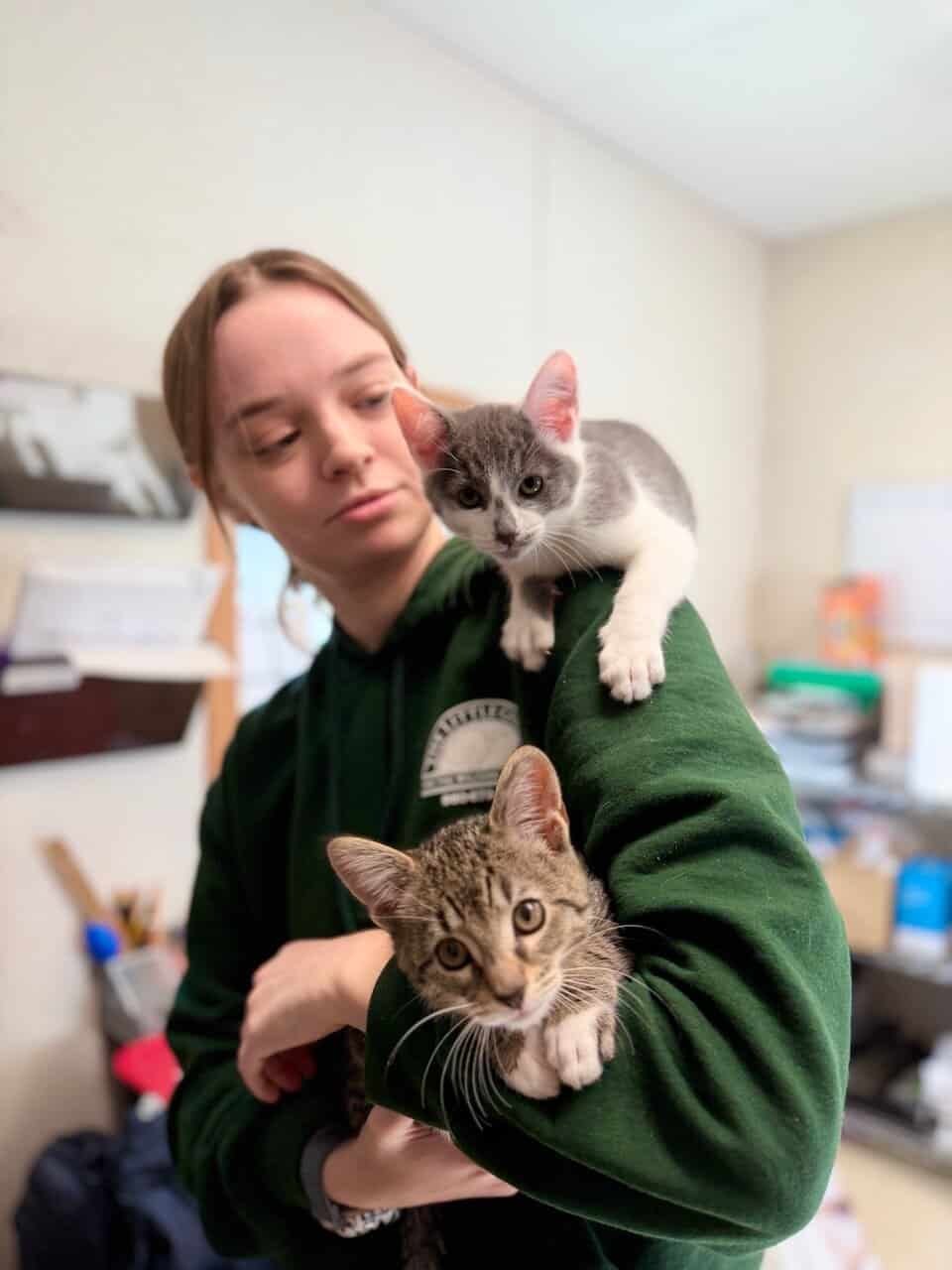
And while loving the thought of more dogs, cats, horses, rabbits, mice, gerbils, or whatever creatures great and small are in need of permanent homes come Christmas, Hannukah, Kwanza, etc., skeptics express concern that once the holidays end, the novelty of a new animal could wear thin, and those pets might wind up back where they came from, or worse.
And a surrendered pet could wind up a dead pet, because while some shelters are no-kill, others are not.
Kill shelters euthanize the animals they can’t afford to house because they’re overpopulated or underfunded. Some no-kill shelters won’t accept surrendered animals, period. So, an owner might ultimately find themselves dropping their unwanted animal off at a shelter that that euthanizes, even if that wasn’t their original intent.
Worse yet, many pets are simply abandoned by their owners – irresponsible people who were clearly never meant to have a pet and maybe never would have, if not given the animal by someone else.
Post-holiday pet return concerns
The reality is, having a pet entails work. Commitment. It requires loyalty and love. It takes money, training, attention, and care. And lots of time and energy.
Every year, shelters across the US report fear of spikes in pet returns after the holidays – when such realities set in with newbie pet owners – especially those gifted pets.
According to a December 19, 2018, article posted online by the People for the Ethical Treatment of Animals, “By January, many of those ‘present’ animals will have joined the more than six million who enter shelters in the US every year.” PETA blames some animal shelters for promoting “discounted or free adoptions and encouraging people to give animals away as gifts,” stating “their intentions may be good, but they likely don’t realize that they’re exacerbating the homeless-animal crisis.”
Shelley Simmons-Bloom is vice president of the Board of the Dutchess County Society for the Prevention of Cruelty to Animals, an independent 501(c)(3), nonprofit, no-kill shelter in Hyde Park.
“The DCSPCA never euthanizes the animals it cares for due to space, unlike municipal shelters that sometimes have no choice but to euthanize due to space constraints,” explained Simmons-Bloom. “If an animal is surrendered to us by an owner, we will do our best to find a new home for them.”
 She agrees with PETA that gifting pets during the holidays is a bad idea.
“Every year, shelters take in pets that were given as gifts but later returned once the novelty wears off or the reality of the care commitment sets in,” said Simmons-Bloom. “Plus, the holidays are often busy, loud, and unpredictable. This is the worst time to introduce a new pet as it can cause them stress.”
A pet requires time, stability, and money, as pets need food, vet care, and emotional support.
“For an adoption to be successful, it’s important to match an animal’s temperament, energy level, and care needs with the adopter’s lifestyle,” she said. “Gifted pets often bypass this process, and so this increases the risk of mismatches and, sadly, eventual surrender to shelters.”
Simmons-Bloom said many people get swept up in the romance of the giving season. “I think that sometimes people get caught up in the fun, surprise element of the gift without thinking through the possible consequences,” she said. “Who doesn’t love puppies and kittens? But they are animals, not toys, and it’s important to think carefully about the commitment that’s being made. Animals rely on us 100 percent to take good care of them and that’s the commitment you are making when you adopt.”
That commitment could be a 10-to-20-year responsibility.
“The challenge is that a surprise gift doesn’t allow the recipient to prepare for the lifelong emotional, financial, and time commitment that comes with responsible pet ownership,” she added. “Are you ready and prepared for that? It’s also important to make sure that you think about what kind of animal personality will fit into your family. If you have young children, you need to know that the animal is comfortable around children who can be scary to a small creature who is noise averse, for example. Are you introducing the new animal to existing furry family members? Do they have the right temperament for that? If you’re adopting a dog, are you willing to make the time commitment to ensure they get plenty of exercise and fresh air every day? It helps to talk to the shelter staff and explain your lifestyle, and they will help you find a good match.”
Bottom line: It’s the pet owner who should choose their pet, as they’re the one who will be responsible for the animal. That requires a long-term commitment of time, emotion, caring, and finances.
Pets – permanent post-holidays?
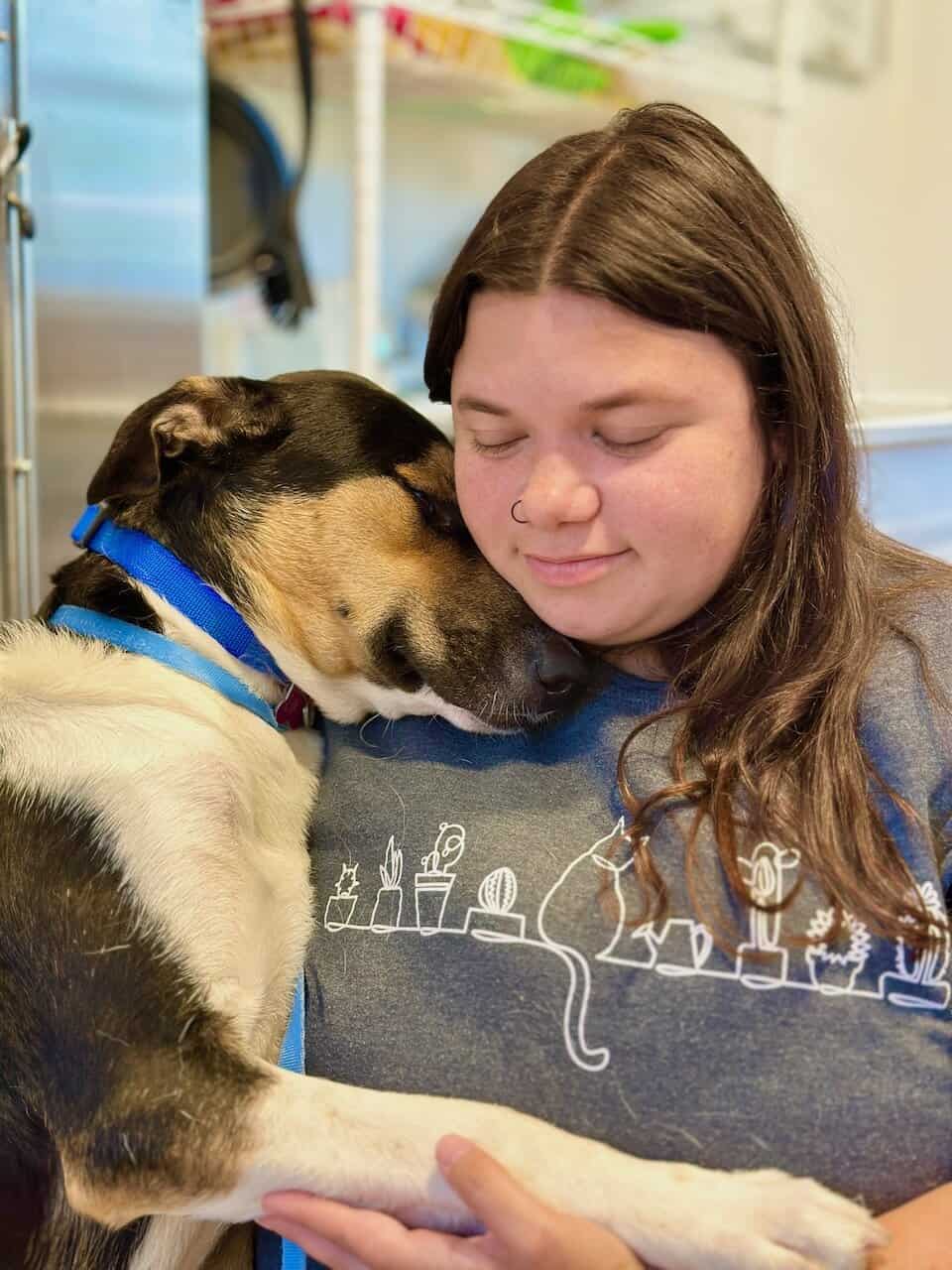
Jenny Langendoerfer has been executive director of The Little Guild in West Cornwall, CT, since 2020. When first joining the no-kill shelter, she worried about the high rate of surrenders after the holidays. She’s since learned from those managing adoptions at the popular Northwest Corner shelter that post-holiday surrenders are rather low.
“When I first came on board I was concerned about it,” said Langendoerfer. “But pets given during the holidays seem to have a higher home retention rate, if you believe that. We don’t have a ton of people coming in looking for pets as holiday gifts. When we do, we talk to people to make sure we help them try to avoid any pitfalls.”
Being a good pet parent
Langendoerfer added, “I will say we don’t treat [holiday] adoptions any differently, as our staff is pretty thorough – that’s one of its strengths. They ask a lot of questions about those adopting: their lifestyle, their former pets; they work very hard and strive to make sure it’s a good fit.”
To help attain that “good fit” for both pet and pet owner, Langendoerfer and her staff of 13 part- and full-time workers – in addition to The Little Guild’s roughly 150 volunteers – “encourage everyone in the family to come in and meet the new pet before going forward with an adoption to tackle any problematic areas before the animal leaves the facility.”
Little Guild does not allow adoptions “on first sight.” The first visit is for potential adoptees to meet the animals and complete an application. The shelter encourages everyone living in the household to meet whatever potential animal might be going home as a pet. A second visit provides an opportunity for folks to return to make sure person and pet connect. Langendoerfer said that’s key to The Little Guild’s “remarkably high adoption rates.”
Through all of its outreach, The Little Guild helps “to support approximately 2,000 animals annually with food and medical needs through our programs,” she said, explaining the shelter’s numbers are a little skewed in terms of adoptions since it’s been building a new facility and sheltering out of temporary accommodations. “Prior to moving to the temporary facility, 200 to 250 animals were adopted from us annually. … We anticipate increasing those annual numbers by up to 50 percent, once we have the capabilities the new facility offers.”
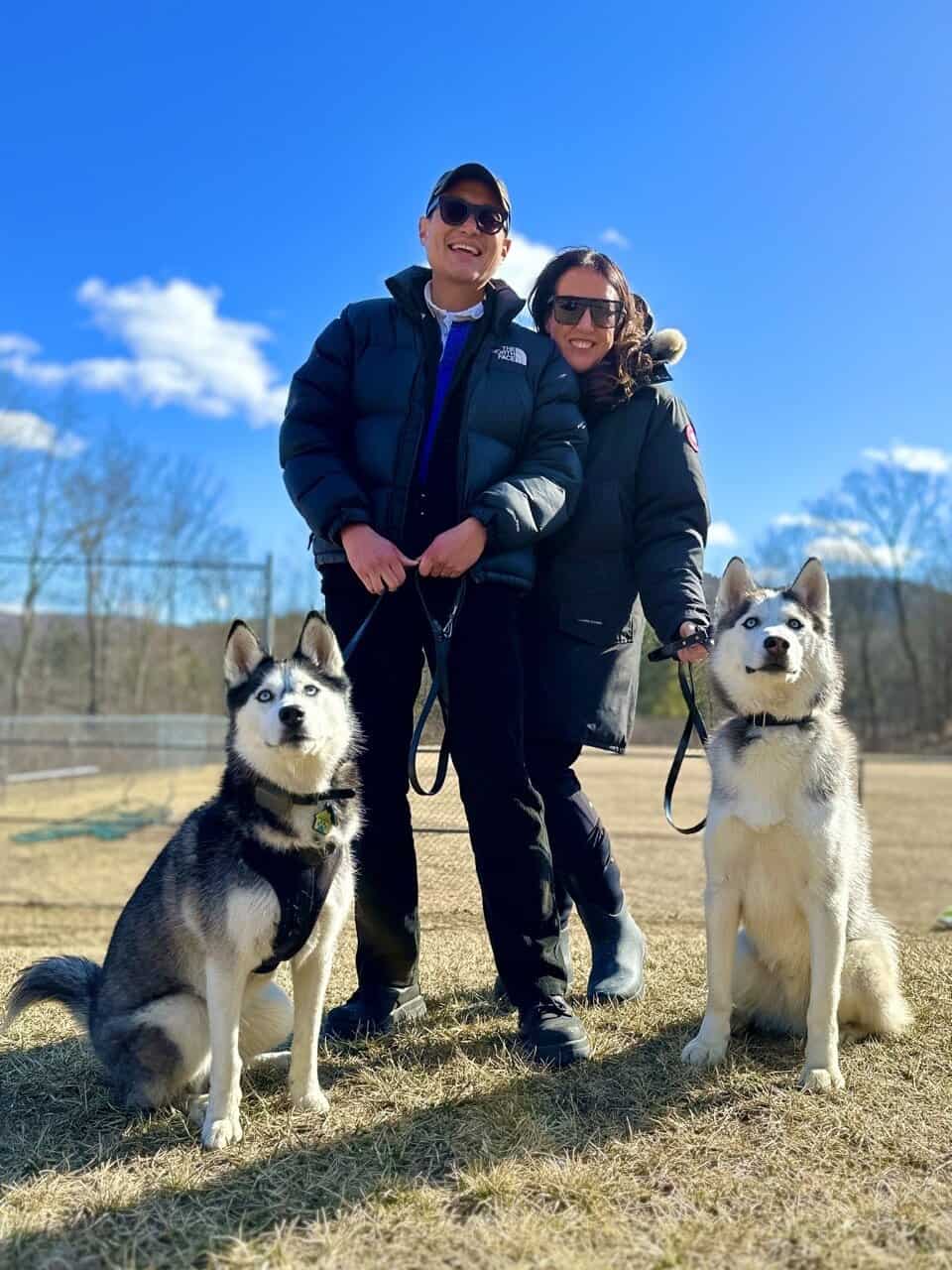
The Little Guild has one of highest adoption rates in Connecticut. “We’re very successful in matching people with appropriate pets,” she said, “but we don’t want to make it overly tedious for people to adopt; we want to streamline the adoption process as much as possible, but we don’t want to skip any important steps.”
The rationale behind the process is that pet ownership is a lifelong obligation. “I definitely want people to realize the commitment,” said Langendoerfer. “At Little Guild, if you adopt from us and it doesn’t work out, we will be taking the animal back, 100 percent. A lot of other shelters don’t do that. After COVID we did see a definite increase in surrenders. I will say it’s a difficult time right now, a lot of folks are struggling. Little Guild is offering a lot of programs for people who can’t support pets: free vaccine clinics, free spay/neuter clinics, and we launched The Lasey Fund in June 2025, named for a beloved rescued pet. The fund provides financial aid towards preventive care, dental services, specialty surgeries, and critical medical treatment for animals whose guardians meet financial-need criteria.”
Langendoerfer said that she’s “excited for our new facility, the Robert Rosenheim Building – it’s amazing.” Named after an animal lover and Little Guild donor, the new facility is expected to open in early 2026.
Langendoerfer described Little Guild’s new $5 million, 8,000-square-foot facility that’s nearly completed as “not massively larger, just so much more capable to care for the animals in a more calming, relaxed atmosphere; in the old building, the animals had no noise proofing, and there was no quarantining available for the animals or for the volunteers.”
The new structure was paid for through private donations, with the exception of a $35,000 ARPA grant from the Town of Cornwall, along with support from several community foundations; half of the building’s cost came from the Robert Rosenheim Foundation.
Alternatives, and place-keepers, until you’re ready to adopt
Rather than gifting a pet, you can always suggest, or help a friend, foster a pet; sponsor a shelter pet; make a donation to an animal welfare organization in someone’s name; volunteer at a shelter; or gift pet supplies to a pet or food shelter, both of which are in constant need. Simmons-Bloom also suggested “pet adoption certificates,” which the DCSPCA and other animal shelters offer to cover an animal’s adoption fee for when a person is ready to adopt, so they can choose “the right pet at the right time.”
Meanwhile, feel free to visit a dog park, an animal shelter (socializing is free!), or your favorite pet owner to get your furry fix.
And just remember to think long and hard before making the decision to adopt. Because once you bring an animal home, it should be fur-ever. As we like to say in my family, pets are people, too!