
Main Street News
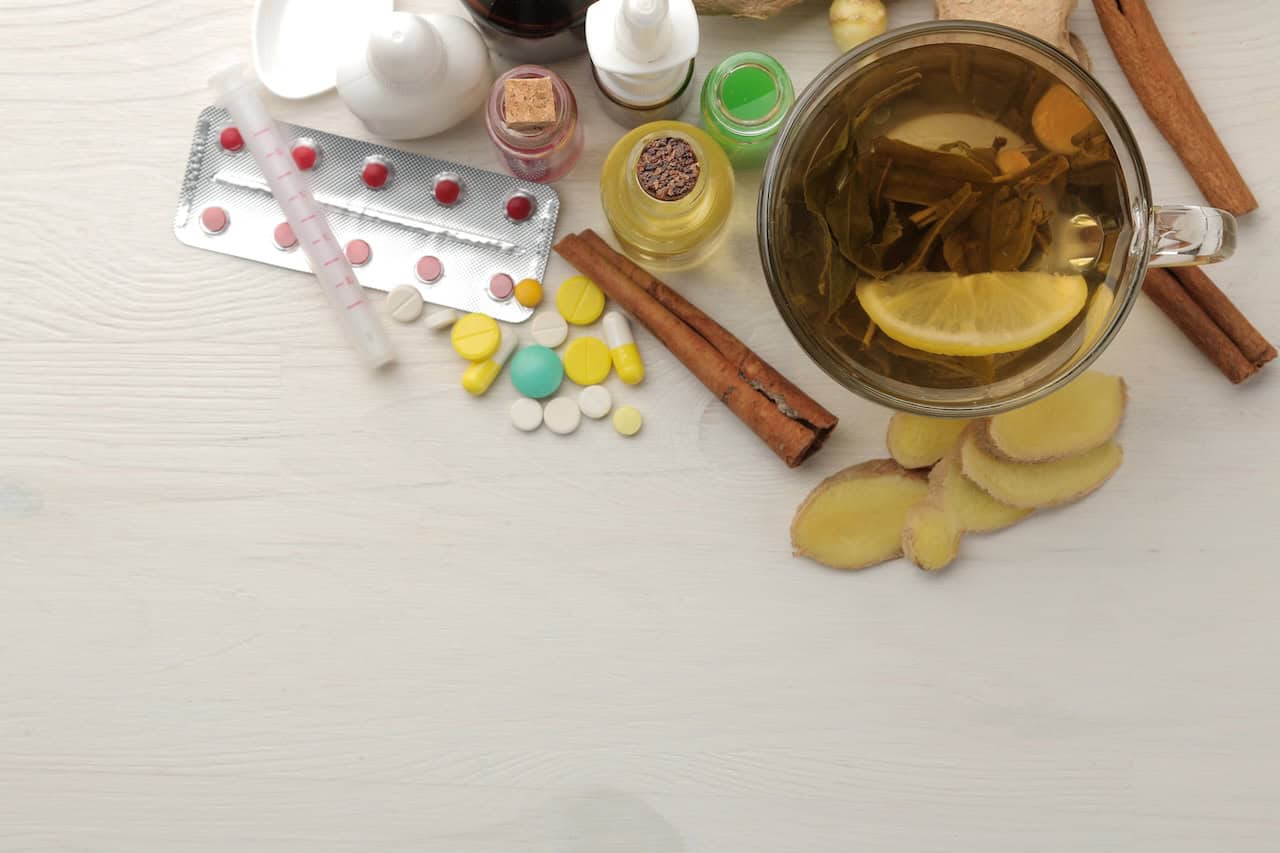
Various cold medicines and cold remedies on a white wooden table. Cold. diseases. cold. view from above
Cold & flu season: Six natural remedies to feel better faster
The CDC reports that while the flu and the common cold spread year-round, flu and respiratory illnesses typically peak during the winter months, typically between December and February.
According to the Mayo Clinic, if you catch a cold, you should expect to be sick for one to two weeks. However, that doesn’t mean that you have to feel awful the entire time. Here are some natural common cold remedies that are proven to ease symptoms and make you feel better.
- Stay hydrated
According to Yale New Haven Health, the common cold causes a dramatic increase in mucus production, which can quickly dehydrate you as your immune system utilizes the body’s water reserve to create the mucus. One of the best ways to ease symptoms of the common cold is by drinking plenty of clear fluids such as water, juice, lemon water, or broth. Staying hydrated can prevent dehydration, improve immune function, and loosen congestion. Hot beverages like tea or warm lemon water can be especially beneficial for easing congestion, as the steam and warmth can soothe a sore throat. Avoid alcohol, excessive caffeine, and soda, as these can act as diuretics and dehydrate you, which reduces overall immune function.
- Rest
Resting is perhaps the best thing you can do for your body when you’re sick. Studies have shown that lack of adequate rest can leave you with a weakened immune system, which not only makes you more susceptible to illness, but can also make it harder to bounce back when you do get sick. Even before you start feeling ill, make sure to regulate your circadian rhythm by going to bed and getting up around the same time every day, and ensuring that you get enough sleep each night. For school-aged children, the CDC recommends nine to 12 hours of sleep per night; eight to ten hours for teens; and seven or more hours for adults.
- Add moisture to the air
Personally, one of the things that helps me the most when I’m suffering from a cold is a humidifier. I have one at home and keep one on my desk at work for when I’m feeling a little dry and nasally. Cool-mist or warm-mist humidifiers add moisture to the air, which may help ease coughing and congestion due to a cold. If using a humidifier, be sure to clean it regularly to prevent mineral buildup and bacteria growth.
- Local honey
If you have access to local honey, it may be a better cold treatment than over-the-counter cold medications. Previous research has proven that honey has the power to kill bacteria, and studies have shown that it is effective against dozens of strains, including E.coli and salmonella. CNN reports that in another study, researchers found that honey did a better job of easing nighttime coughs and improving sleep than both the popular cough suppressant dextromethorphan and the antihistamine diphenhydramine.
- Eat well
What you eat matters when you have a cold. Immune-boosting foods rich in vitamins and antioxidants will give your body the fuel needed to kick the cold to the curb and feel better. Foods such as citrus, berries, and leafy greens are all rich in vitamins, fiber, and antioxidants. Spices like ginger can help aid digestion and has anti-inflammatory properties, while turmeric can help to reduce swelling and protect your body. Additionally, spicy foods like chili peppers can help improve cold symptoms, as they may help with clearing nasal passages and congestion by thinning mucus.
- Practice healthy habits to prevent getting sick
Obviously, one of the best ways to manage a cold is to avoid getting sick to begin with. While it is impossible to avoid ever getting sick, there are some things you can do to minimize your risk such as leading a healthy lifestyle (exercising regularly, eating whole foods, and getting enough sleep); washing your hands with soap and water regularly; avoid touching your face; and whenever possible, staying away from people who are sick.
*Disclaimer: All medical claims made in this article are information provided by the subject. The information is general in nature and not specifically meant for any particular individual. You should always seek out medical assistance from a medical professional based on your individual needs and circumstances.