Our Environment, Animal Tips & the Great Outdoors
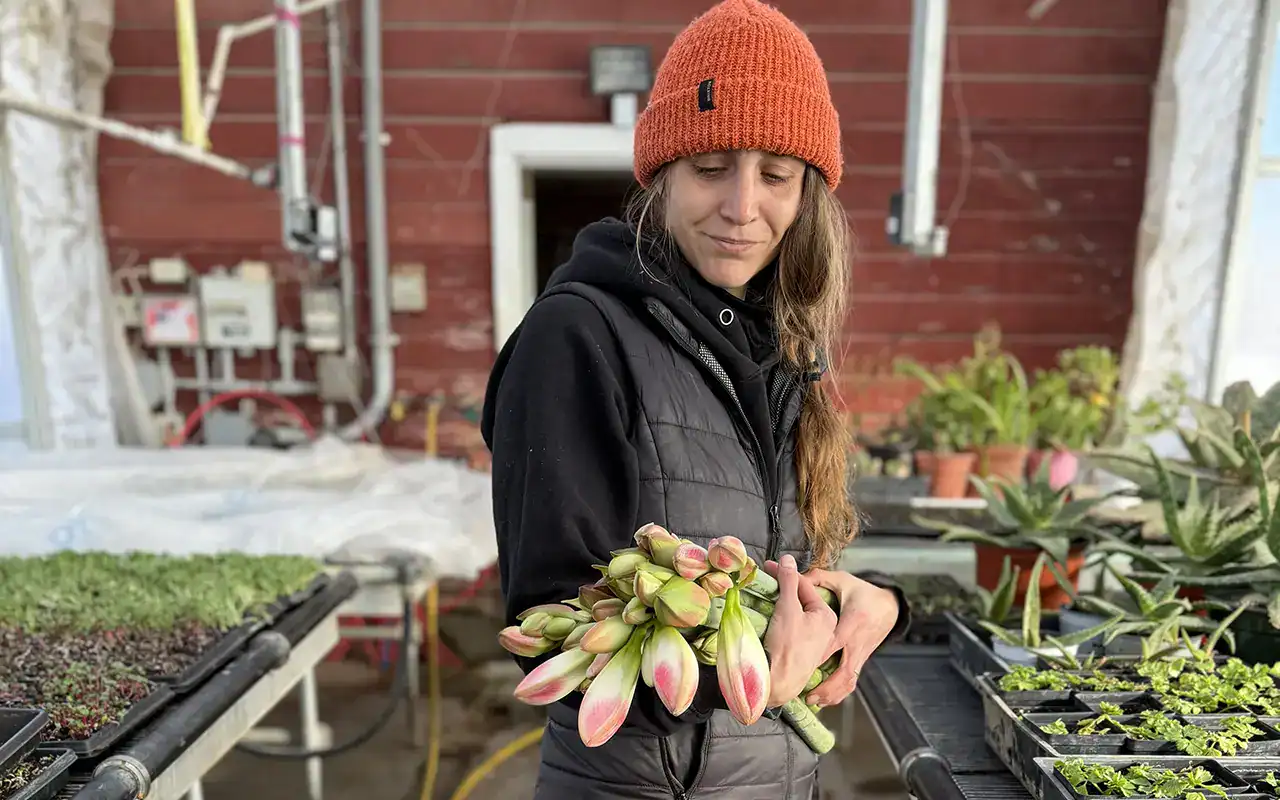
FLORAL & FIELD: A DEEP LOVE OF LOCAL FLOWERS AND COLLABORATIVE RELATIONSHIPS
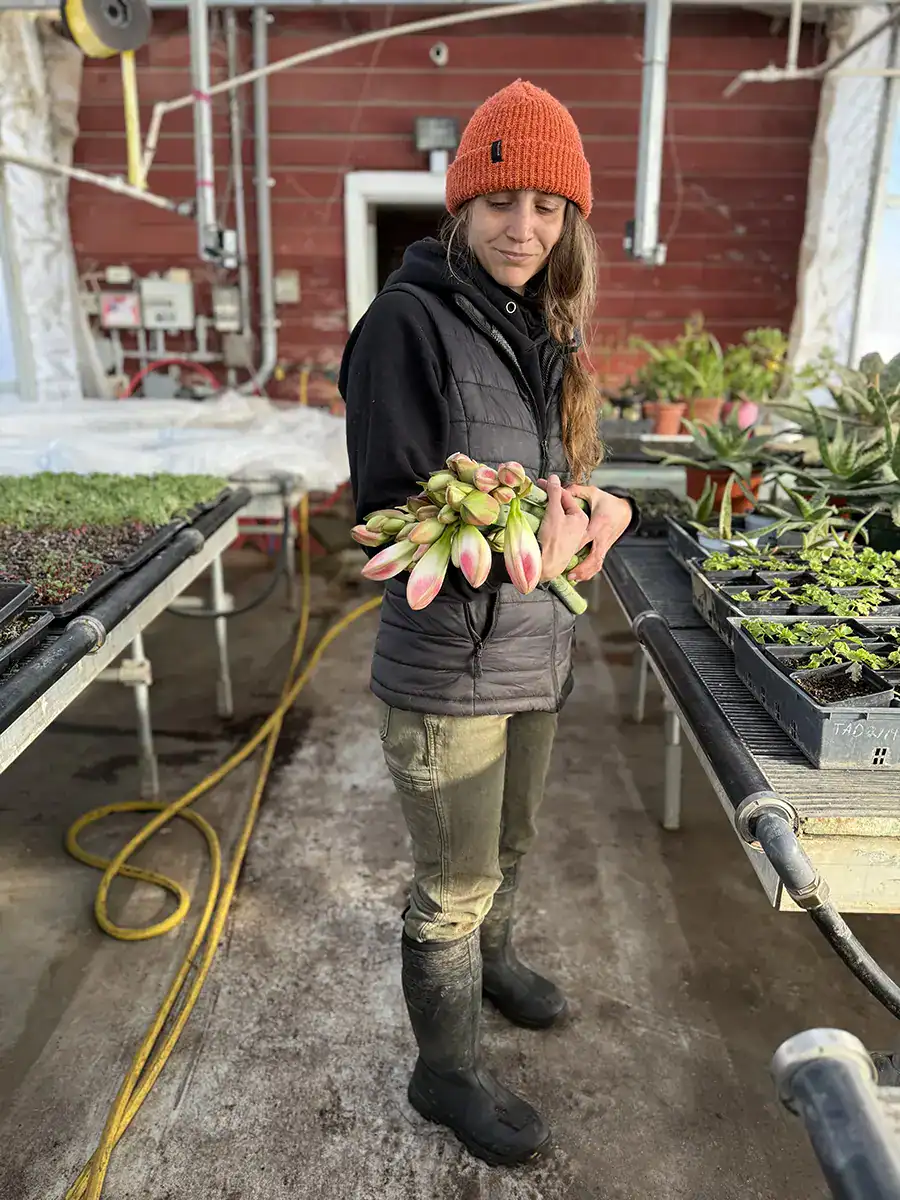
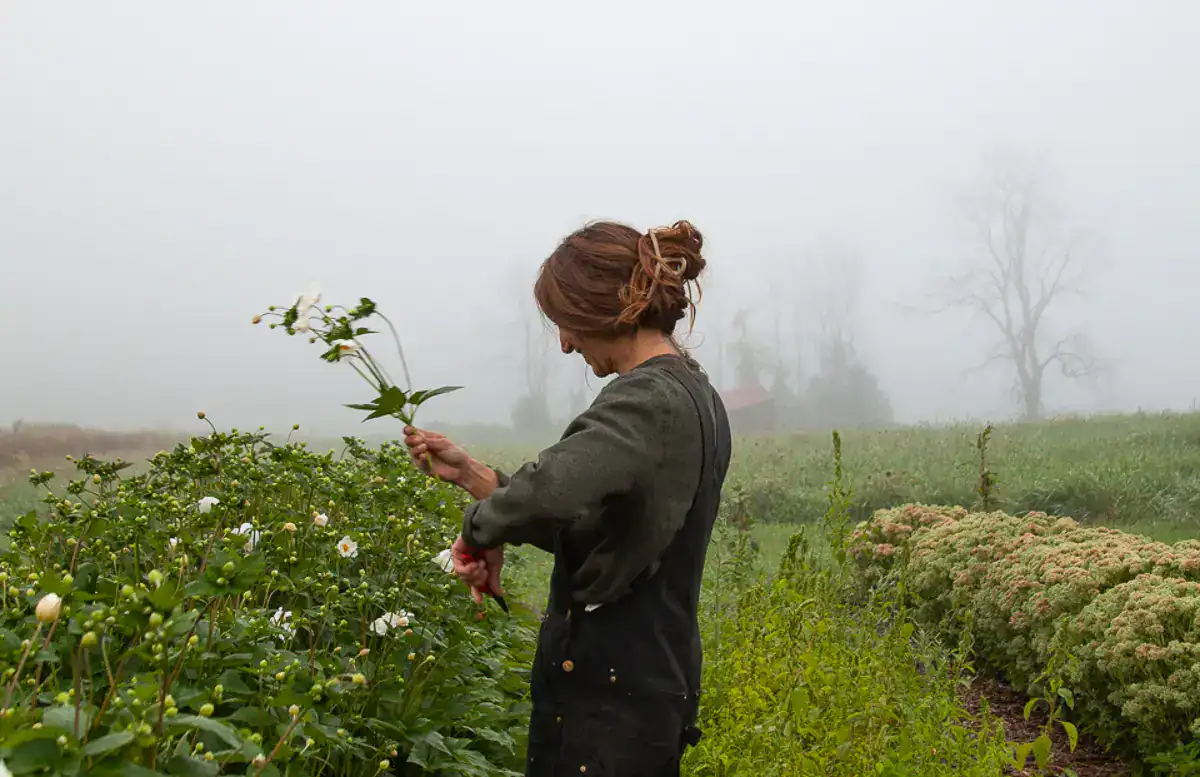
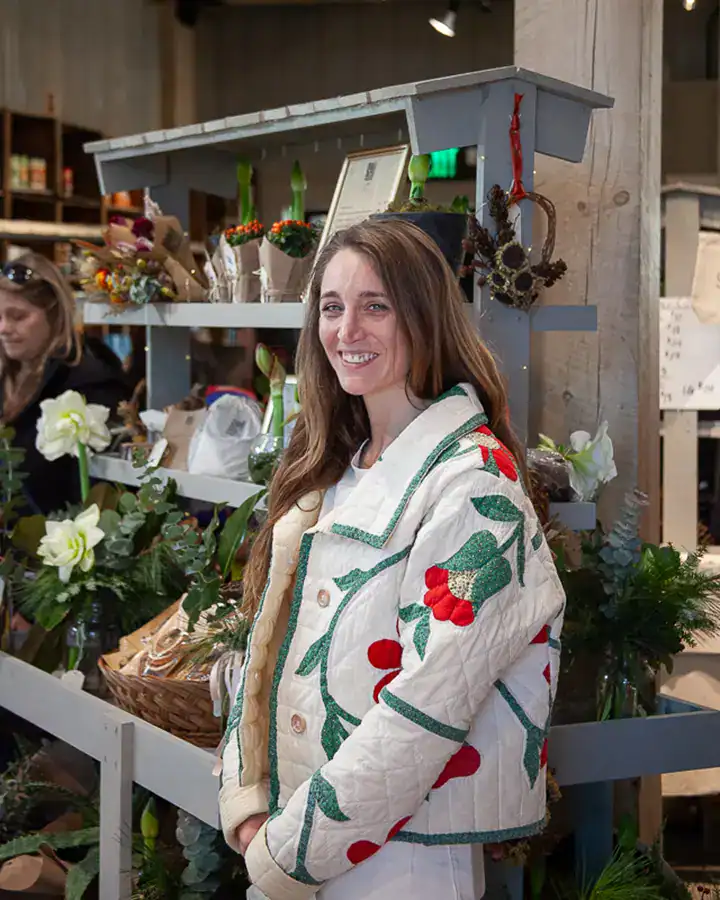
“Floral & Field was created to support farmers and florists, particularly along the East Coast, who want to better understand the standards, systems, and relationships involved in selling and sourcing wholesale flowers,” says Alisa Bolduc, founder of Floral & Field, a farmer and wholesale consulting business.
“I saw a need for education and connection on both sides – farmers wanting to focus on wholesale markets and florists wanting to source more locally but unsure of where to begin. My goal is to help bridge the missing piece: keeping commerce local, strengthening small farms, and supporting thoughtful sourcing within the floral industry.”
Learning from the Land
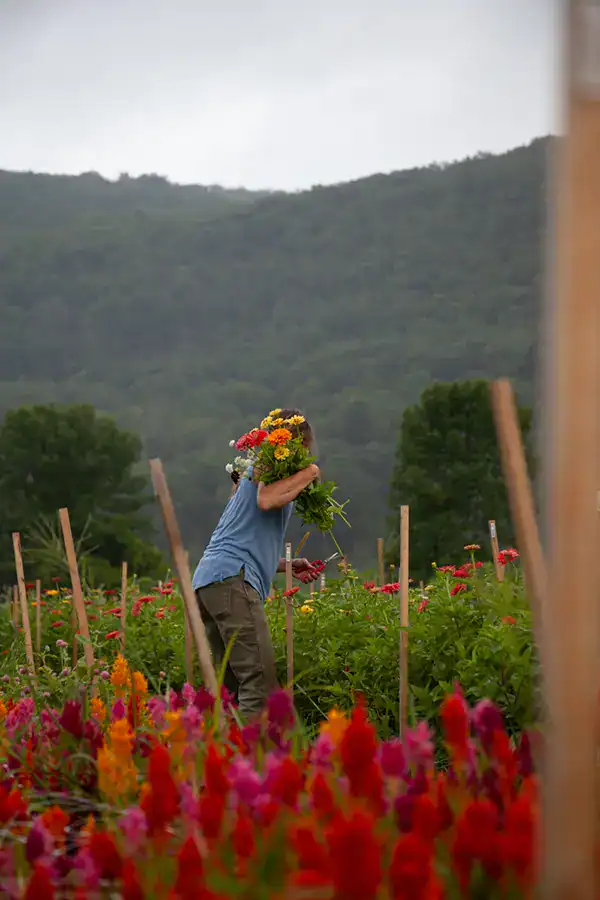
Though Alisa is most at home these days when surrounded by stems, she wasn’t always as interested in agriculture as she is today. She comes from a family with a strong culinary foundation, so food, sourcing, and seasonal ingredients were always a part of her world. Her interest in agriculture, however, began in earnest when she was on a working-holiday visa working on farms in New Zealand.
“Working that closely with the land showed me how agriculture is the base of all communities,” she says. “That shifted everything for me. When I returned home, that experience combined with my hospitality background shaped the way I approach agriculture today – with intention and a respect for the systems that support local producers.”
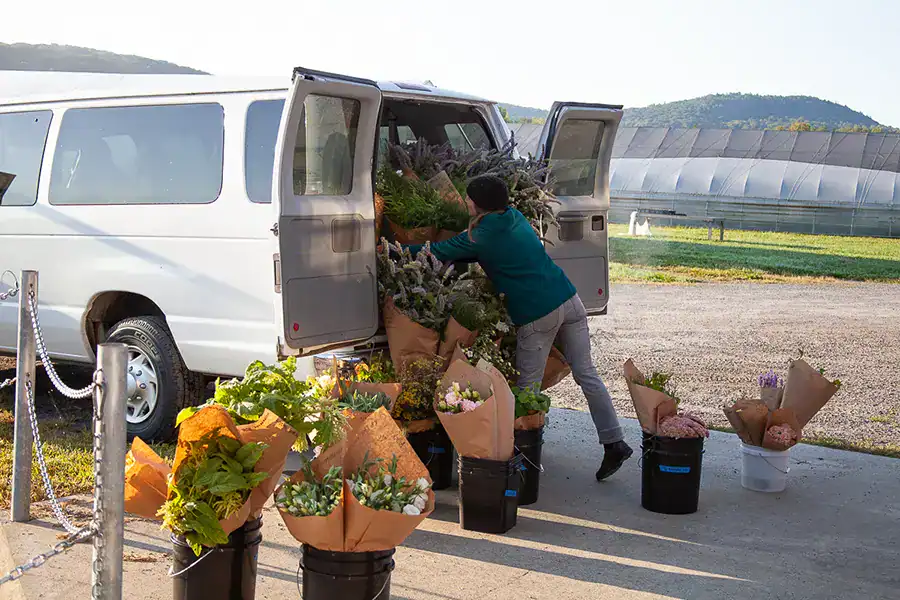
After moving from the Hudson Valley to the Capital Region, Alisa noticed that there wasn’t the same connection between farmers and florists. While the relationships existed in some capacity, she felt that there was still a great opportunity to bring more visibility to local farms, support florists, and close the gap in sourcing regionally and efficiently.
“The timing felt right because there is interest in sourcing locally but not always the infrastructure or guidance to support the endeavor,” Alisa explains. “Floral & Field was created to help make local flowers more accessible. I felt there was an opportunity and a real need to help strengthen those connections, bring more visibility to local farms, and support florists in sourcing regionally.
Building community
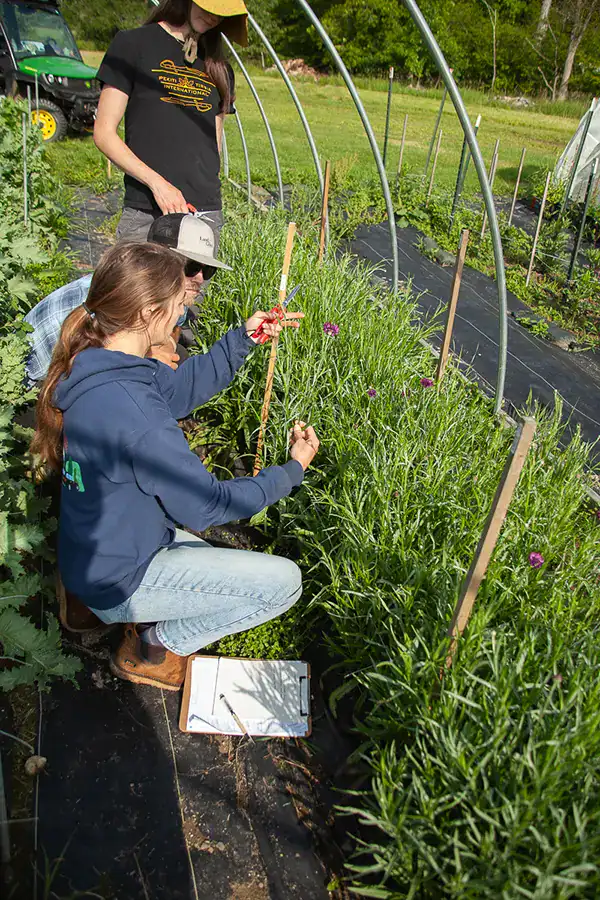
Floral & Field offers one-on-one consulting services for farmers, either via Zoom or in-person, focused on wholesale preparations, systems, and long-term sustainability. Alisa provides support to farmers and florists who want to build stronger, more sustainable wholesale relationships by streamlining communications; refining the wholesale floral process; helping florists better understand local sourcing and seasonality; clarifying expectations, standards, and workflows; and creating systems that support long-term growth.
The timeline for how long Alisa consults on projects really depends on what the client needs. She’s happy to have a one-time call to tackle a specific question, or she can partner with a farm to support through an entire season or for a long-term mentorship.
Floral & Field is based in Saratoga Springs, NY, but Alisa will travel up to 100 miles for in-person work. In addition to her consultation services, she is also in the process of building out accessible resources to support growers and florists beyond one-on-one sessions. These resources include ready-to-use templates like grower and florist checklists, bloom calendars, planting schedules, and pricing and sales worksheets; actionable guides for when to plant and harvest, field layout basics, and pricing strategies; and field-planning tools.
Armed with a strong belief in the power of community, Alisa is also creating a free “Trusted Network” resource that connects florists, growers, educators, suppliers, and flower collaborators with like-minded partners and professionals to build stronger relationships and allow for more collaboration.
“I believe strong communities are built by the people who live and work within them. When we support local farmers, florists, and small business owners, commerce stays local and the entire community benefits,” she explains. “Networking to me isn’t about scale; it’s about relationships. Floral & Field focuses on helping people find the right connections, share knowledge, and build trust. I want to see communities rely more on their local businesses rather than defaulting to big-box systems that don’t reinvest locally.”
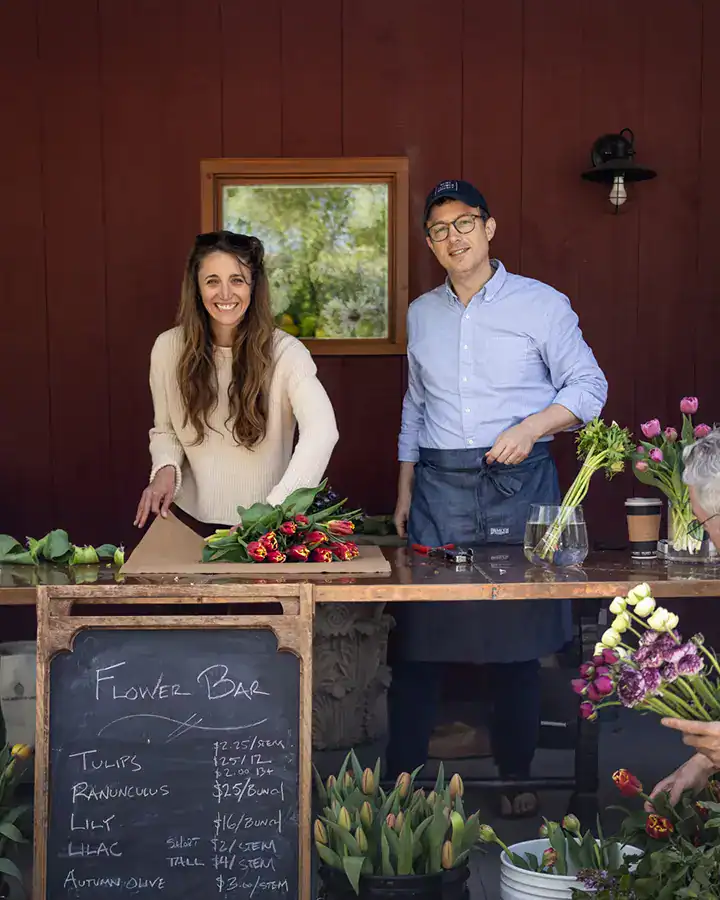
In addition, Floral & Field regularly collaborates with local farms, florists, and businesses through workshops, consultations, and other seasonal projects. Alisa also uses her platform to highlight regional growers, share educational resources, and support initiatives that promote local sourcing and sustainable practices within the floral industry.
“Much of this work happens behind the scenes – connecting people, sharing resources, and helping turn ideas into action.”
Choosing local
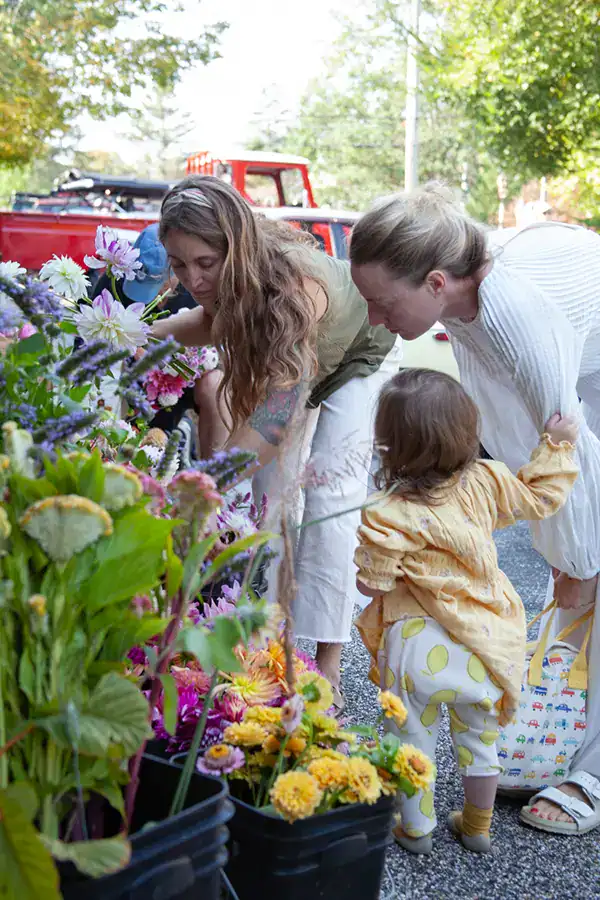
Alisa notes that although flowers are often seen as a luxury, they too play a large part in local economies. Floral & Field isn’t just for farmers or florists; it’s for anyone who is interested in understanding why choosing local matters.
“What makes the work unique is advocacy,” she shares. “I meet businesses where they are, help identify gaps, and offer thoughtful redirection that supports their long-term growth. There’s no one-size-fits all. I focus on systems that make sense for each individual business, while keeping the larger picture in mind.”
For Alisa, the most rewarding part about operating Floral & Field is expanding her sense of community. Community is not only where she lives, but also the people she learns from, supports, and grows alongside.
“Seeing businesses take thoughtful risks, gain confidence, and experience progress is incredibly fulfilling,” she says. “Whether it’s a farmer landing their first wholesale account or a florist confidently sourcing locally for the first time, it’s incredible to be a witness of the connection.”
In the short term, Alisa hopes to work more closely with Capital Region growers and florists, helping them meet wholesale standards and supporting florists in sourcing locally. In the longer term, she sees Floral & Field continuing to grow as a trusted educational and collective resource, strengthening networks, and helping local floral systems thrive in a sustainable way.
Alisa also pens a bi-weekly Substack where she explores why wholesale flowers matter, the impact of sourcing locally, and how people – both inside and outside the industry – can become more involved in supporting local agriculture. “It’s a fun way to connect with readers and hopefully continue the conversation.” •
For more information about Floral & Field, visit their website floralandfield.com, follow them on Instagram @floralandfield, and follow Alisa on Substack @floralandfield.