Restaurant Review
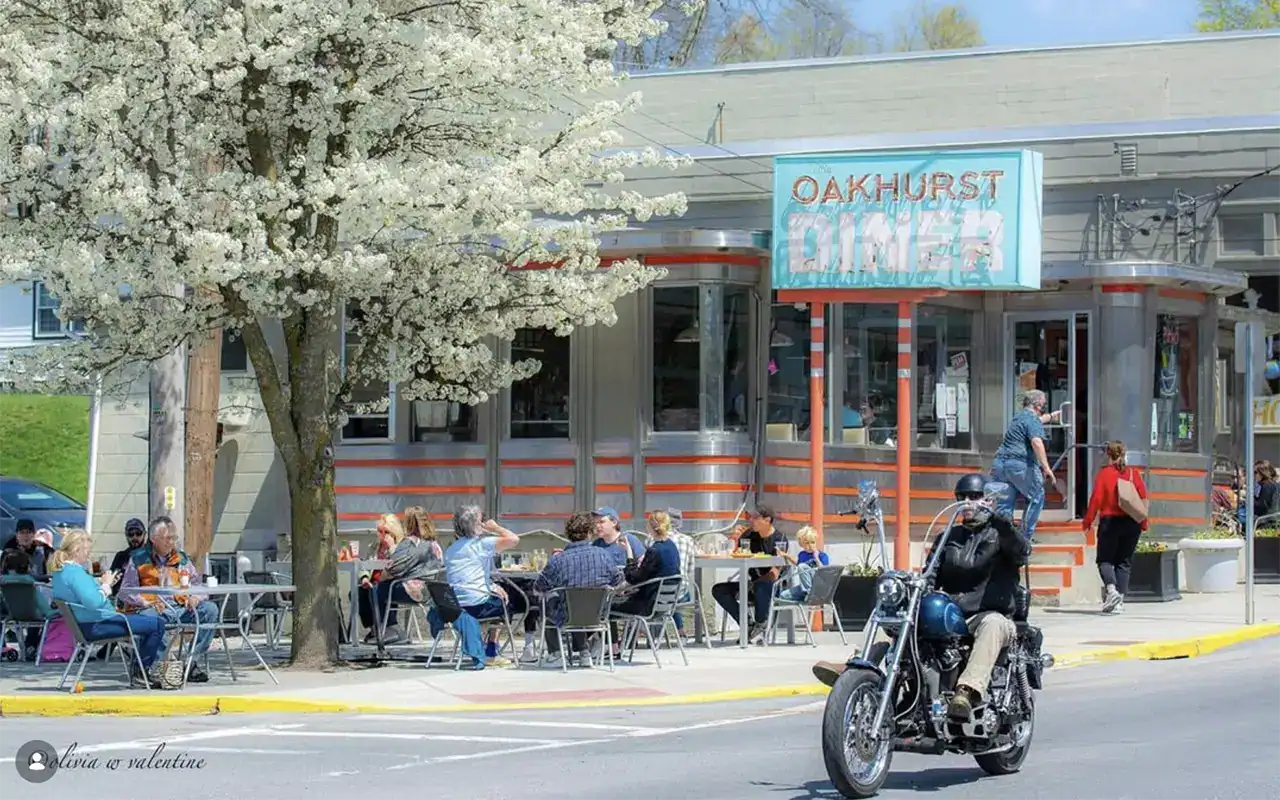
Orders up at Oakhurst Diner as Millerton toasts 175 years
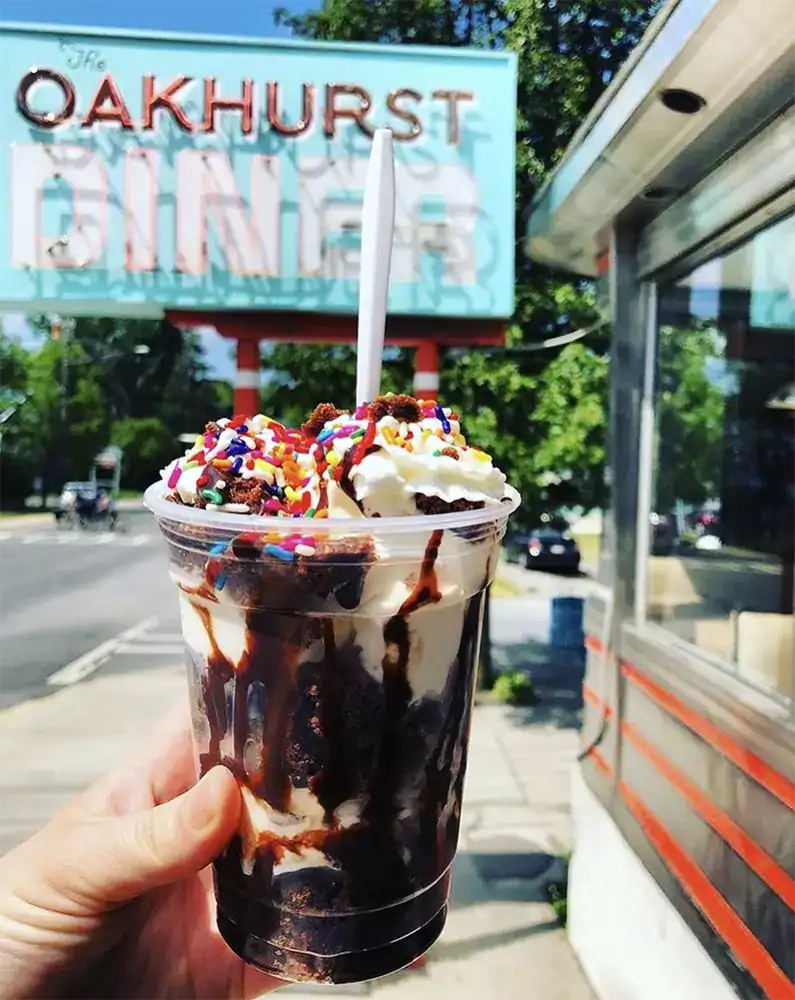
There’s something heartening – and uniquely American – about stopping by a local diner for a plate of comfort food and a cup of joe. If the eatery in question happens to be among the dwindling number of original Silk City diner cars in the US, the experience definitely ticks up a notch or two in my book. Those not familiar with the term would likely recognize the iconic structure on sight.
A Millerton mainstay
The Oakhurst Diner at 19 Main Street in Millerton, NY, stands as a shining example. Manager Jessica LeJeune points to a plaque inside commemorating the historic diner’s origins.
“I’m not sure when they opened the diner, but I do know the diner itself is an original Silk City diner from Jersey. We still have the original plaque from the Silk City Corporation. We still have the original refrigerators and the original pastry case,” she said. “We definitely have regulars who are used to it, but there are a lot of people from out of town who are like, ‘Wow, this is so cool!’”
The Oakhurst Diner is catalogued with diner historians as Silk City No. 5871, built in 1958.
LeJeune said owners Paul Harney, John Panzer, and Justin Panzer work diligently to preserve the Oakhurst’s historic roots, while exerting a lot of effort to keep the diner modernized and efficient.
“We do updates fairly often,” said LeJeune. “We try to keep redoing the inside, we’ve had the booths reupholstered as they get worn, and we just redid some of the bathrooms. It definitely takes a fair amount of work to keep it looking nice.”
Located just off Route 22, Oakhurst welcomes all entering the village. Emblematic of American culture thanks to timeless TV shows like Happy Days, films like American Graffiti, and paintings like Edward Hopper’s Nighthawks, the diner anchors Millerton’s Main Street. It’s been that way throughout its many iterations, according to Millerton Mayor Jenn Najdek.
“From the time I was young enough to remember, I went to the diner,” she said. “In my 30s it was your typical greasy spoon diner; it was great. I feel like that was when things started to shift; it wasn’t just a local place anymore. The old families and people who lived here and would go out to dinner, they left. Somebody else took it over. … I think it became Oakhurst after that. It’s always been a diner, though, for as long as I can remember.”
The diner has had several monikers: the Millerton Diner, Village Diner, Coach Ali’s Millerton Diner, and most recently, Oakhurst Diner.
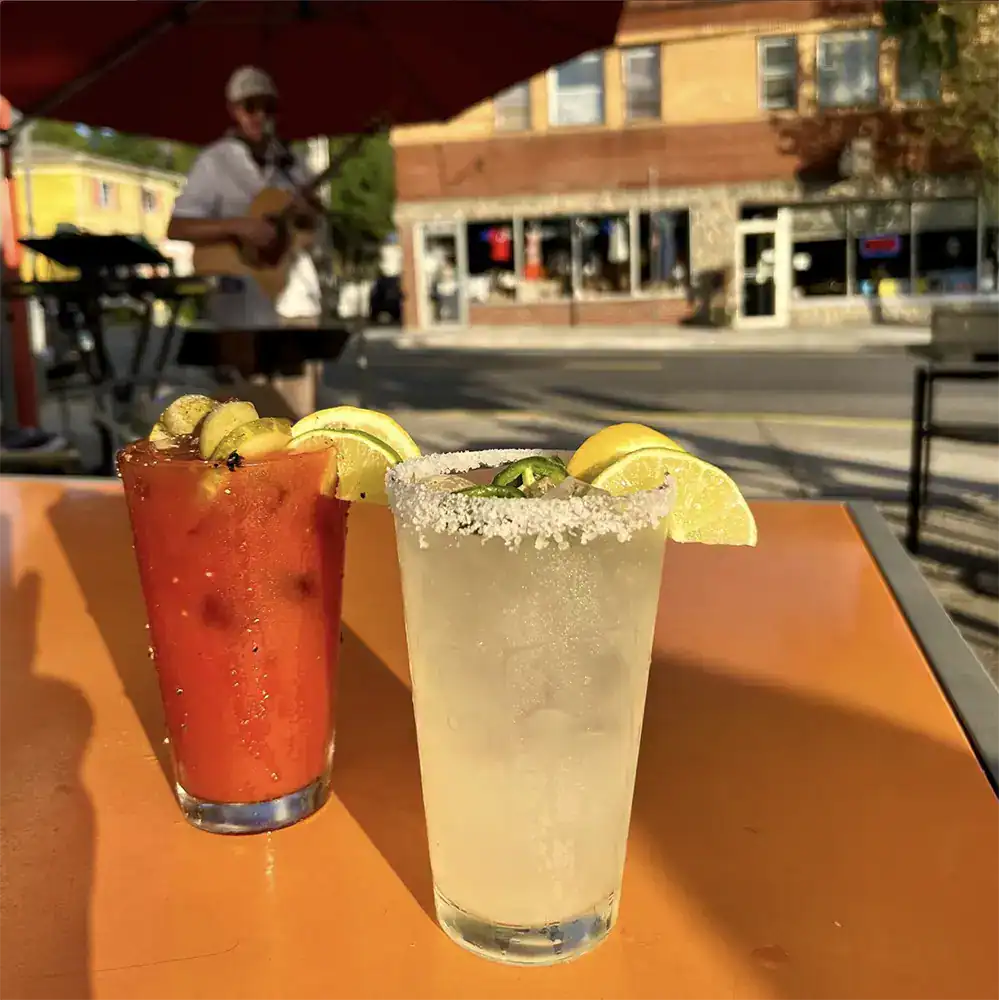
The mayor said, “the type of diner has shifted” and one change she heartily endorsed is its expanded patio, which adds roughly 50 seats come summer, according to LeJeune, who said at full capacity, inside and out, the diner accommodates nearly 150 patrons.
“It gives people a chance to sit outside and be part of it all. It’s downtown and central, and it makes Millerton look super busy, which is great,” said Najdek. “I’d rather see it busy with people walking all over the place and riding bikes than have closing storefronts and nothing there, going back to the horse and buggy.”
A community founded on transportation
Millerton has rarely stayed stuck when it’s come to movement. In fact, momentum helped found this tiny rural village with a population of less than 900 that’s celebrating its 175th anniversary this July.
It was civil engineer and railroad contractor Sidney Miller who pushed to extend railroad service into what would be named Millerton in his honor back in 1851.
Local lawmakers were so grateful for the railroad they named the village after Miller. Prior to the railroad’s arrival and the village’s formation, the roughly one-square-mile area was part of the Town of North East, with land dedicated to farming, iron production, and local settlements.
Within a quarter century, Millerton was the junction for three distinct rail lines: the New York & Harlem Railroad, the Dutchess & Columbia Railroad, and the Poughkeepsie & Eastern Railroad, connecting New York City, Poughkeepsie and the Hudson River, Connecticut, Boston, and agricultural communities peppered throughout Dutchess County.
The economic boom continued and Millerton thrived. Once an unknown dot on the map, commerce quickly opened to local farmers wanting to ship dairy, grain, livestock, and produce far and wide. Merchants could stock shelves with new products while people could travel at speeds they’d never dreamed possible.
Millerton’s trio of tracks paid off beyond immediate trade and transportation; they also opened up production channels. In 1854, the Millerton Iron Company was established in the Irondale section of North East. Manufacturing “car-wheel pig iron” used to make railroad equipment, within 30 years the Millerton Iron Company was among the area’s largest employers with roughly 150 workers. By 1890, its furnaces had an annual production capacity of 12,000 tons.
The rails eventually led to the need for another industry: hospitality. Soon Millerton had three hotels, retail stores, and eateries – including a diner. It was only a matter of time until the bustling village needed places for people to rest their heads – and to fill their bellies.
Celebrating the Diner and Millerton, together
That need remains as strong today as ever, evidenced by the many local eateries, several of which will be celebrating Millerton’s 175th anniversary in ways big and small throughout July. The Oakhurst Diner is among numerous local businesses sponsoring the 175th anniversary celebration; it also has the rare distinction of having recently celebrated its Crystal Anniversary.
In 2025, Oakhurst toasted its 15th year – a milestone for any business, especially a restaurant, fabled to be among the riskiest of ventures with reports of nearly 90% failing in their first year. But online industry blog restaurantworks.com calls such accounts myths, citing 2024-25 statistics showing only 17% of restaurants fail in their first year, while 51% survive after five years, and 34.6% make it beyond 10 years.
“We just celebrated our 15th anniversary last year,” said LeJeune. “I think the diner has become a staple here. When people think of Millerton, it’s one of the businesses that comes to mind. You can’t miss it. It is kind of young in Millerton’s 175-year history, but there’s no end in sight at the moment.”
Najdek agreed, “I think the diner does fall next in line … after Oblong.”
That lineup comprises some of the longest-standing, still operational establishments on Main Street, led by the half-century-old bookstore, Oblong Books & Music. With longtime businesses like Terni’s, Saperstein’s, Simmon’s Way Village Inn, North East Rexall Pharmacy, and Block’s Furniture no longer around, the Oakhurst Diner has quietly earned its top-tier placement. Of course, several other Main Street favorites have likewise stood the test of time including Country Gardeners Florist, Taro’s NY Style Pizzeria & Restaurant, Gilded Moon Framing, and The Moviehouse (the last with a change of ownership).
“Hopefully we’ll be here another 15 years,” said LeJeune, adding an enthusiastic “maybe!” when asked if that might extend to another 175 years considering the village’s anniversary.
She added, “The diner provides something reliable. When you come here, you know what you’re getting. We’re kind of like the post office: we try our hardest to stay open in whatever weather, though there have been a couple of snow days in recent years when we had to close. But unless it’s really bad and we’re putting our staff in danger, we try to be here.”
Silky diner design
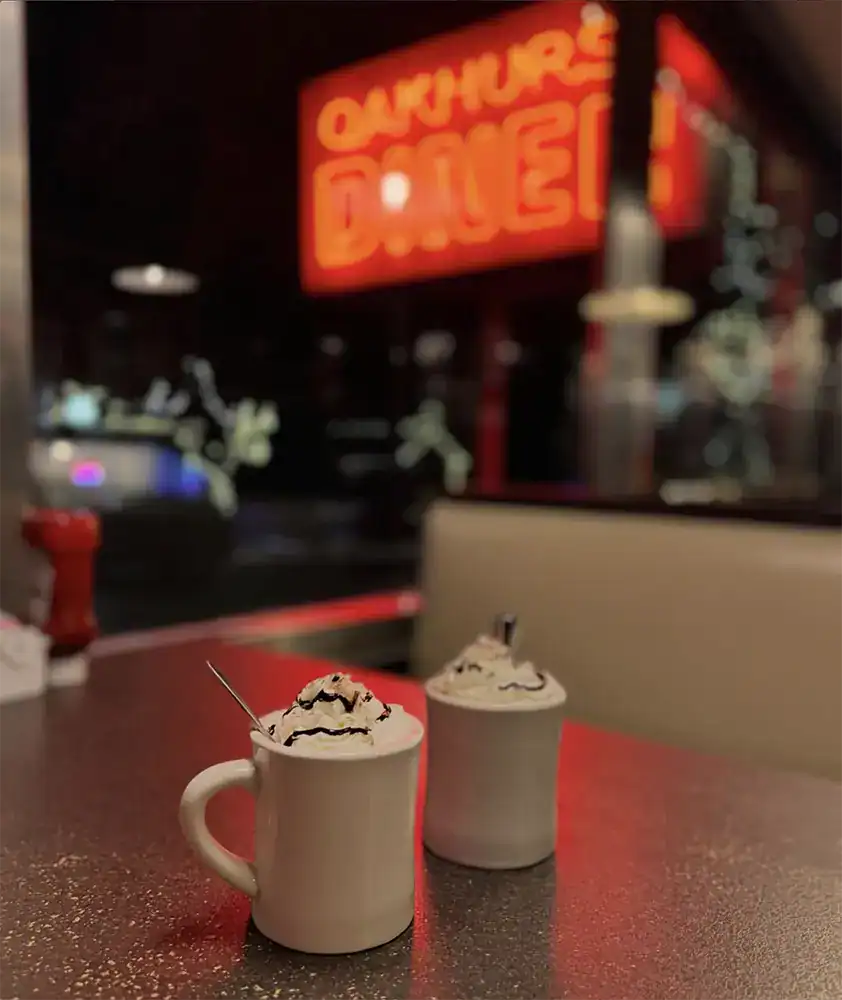
Customers certainly appreciate the effort – for the food, for the staff, and for the aesthetics. One glance at the gleaming stainless-steel exterior brings many (myself included) an instant sense of pleasure and peace, knowing what awaits them inside. Telltale features of Silk City diners include the rounded corners and facades framed by large windows. As architecture that serves a purpose, the diners are swathed in Art Deco and railroad design details.
Inside, formica tables trimmed with shiny chrome are sandwiched between booths upholstered in vivid vinyl or Naugahyde. Opposite those cushy booths stand the hallmark of any diner: its counter and stools, stretching end to end with a break in the middle to allow servers quick kitchen access. After all, speed is the name of the game at a diner, whether a greasy spoon or an avant-garde bistro.
The swiveling stools offer more polished metal and upholstery, while tile or terrazzo floors gleam below. Lit signs do their best to attract hungry passersby, as large glass display cases feature homemade pies and cakes, making every sweet treat nearly impossible to resist.
Some Silk City diner history
Named after its “Silk City” origins (as Paterson, NJ, was dubbed in the late 19th century for producing more than half of the nation’s silk), roughly 1,500 of the stylized diner cars were made by the Paterson Vehicle Company between 1926 and 1966. Only “a fraction” of the prefabricated diners exist today, with even fewer being operational, according to dinerville.com.
But before there was the Paterson Vehicle Company or Silk City diners, there was a failing wagon company in Suffern, NY, founded by Everett Abbott Cooper. In the 1890s, Cooper relocated to Paterson, renaming his business the Paterson Wagon Company. It produced wagons, carriages, harnesses, and bicycles; by 1905 he filed for bankruptcy.
Within a year, the company reemerged as the Paterson Vehicle Company. Cooper appointed his five sons to executive positions to help manage the business. Expanding into bus, car, and truck body production and into paint and auto body detailing, the company eventually diversified further. By 1926, a division dedicated solely to the commercial manufacturing of diners was created.
By the 1950s, Silk City diners were available in three sizes “fully equipped with grills, coffee urns, refrigerators, and work benches … to reduce production costs,” according to The Paterson Museum, and streamline operations for restaurateurs.
The trademark diners became ubiquitous throughout the Northeast, Michigan, and Wisconsin. Silk City diners were produced until 1966 and conveyed to their final destination by rail or truck but were never actually used in rail travel. Efforts to sell the company to former employees failed and by 1966 all assets were liquidated, thus closing an unforgettable chapter in American postwar design.
Yet the Silk City diner remains a symbol of American optimism and mobility to this day.
Oakhurst stands strong and solid
Today, the Oakhurst Diner continues to embody that sense of American hopefulness as we celebrate this nation’s Semiquincentennial, coinciding with the village’s 175th anniversary celebration in July.
Millerton’s tie to transportation has never waned. A trailhead for the popular Harlem Valley Rail Trail is right off Main Street, drawing outdoor enthusiasts from all over to walk, run, bike, skate, or simply meander along a 23-mile path stretching from Wassaic to Copake Falls. The paved former railroad bed is bordered by some of the loveliest and lushest scenery in the region. Data from 2012 recorded approximately 166,000 annual HVRT users – numbers that have surely increased as the trail’s seen multiple expansion projects since.
Whether traversing the Rail Trail or simply touring Main Street, Millerton continues to lure people eager to explore. Many of those visitors, of course, need refueling …
A menu in a million
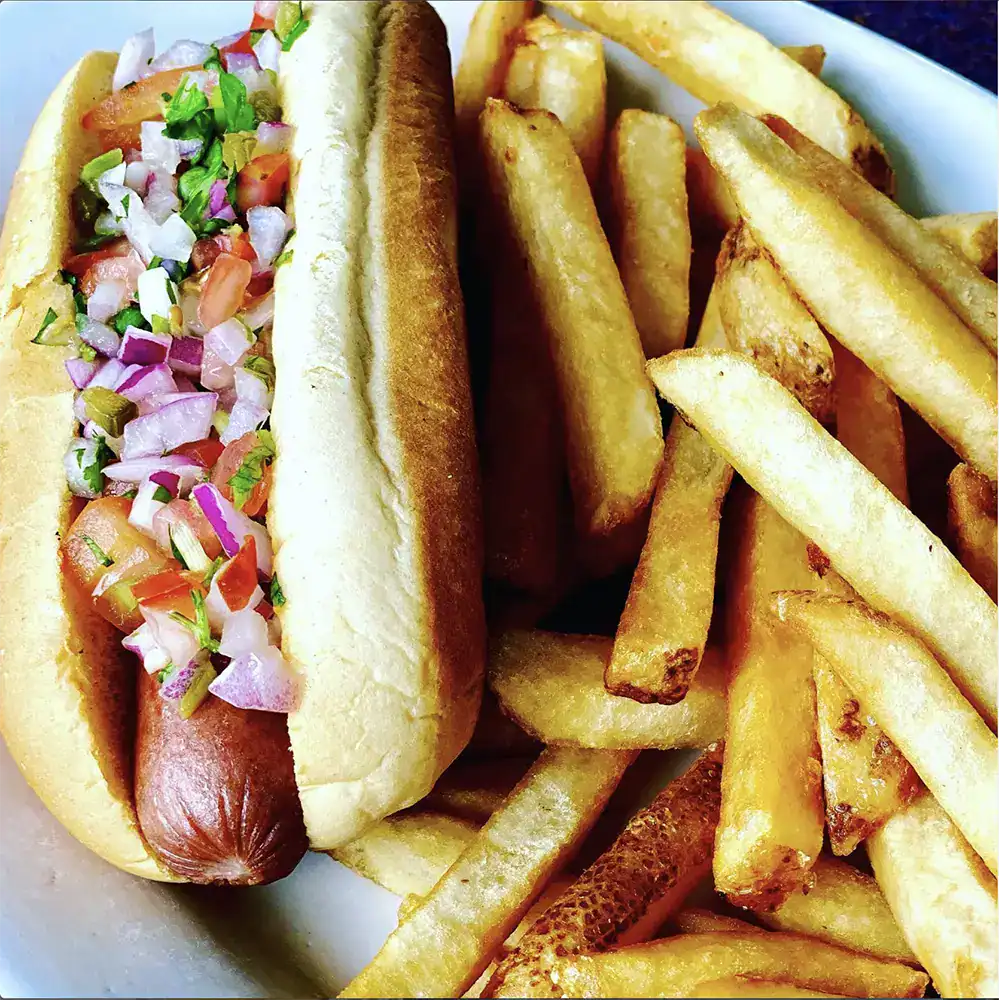
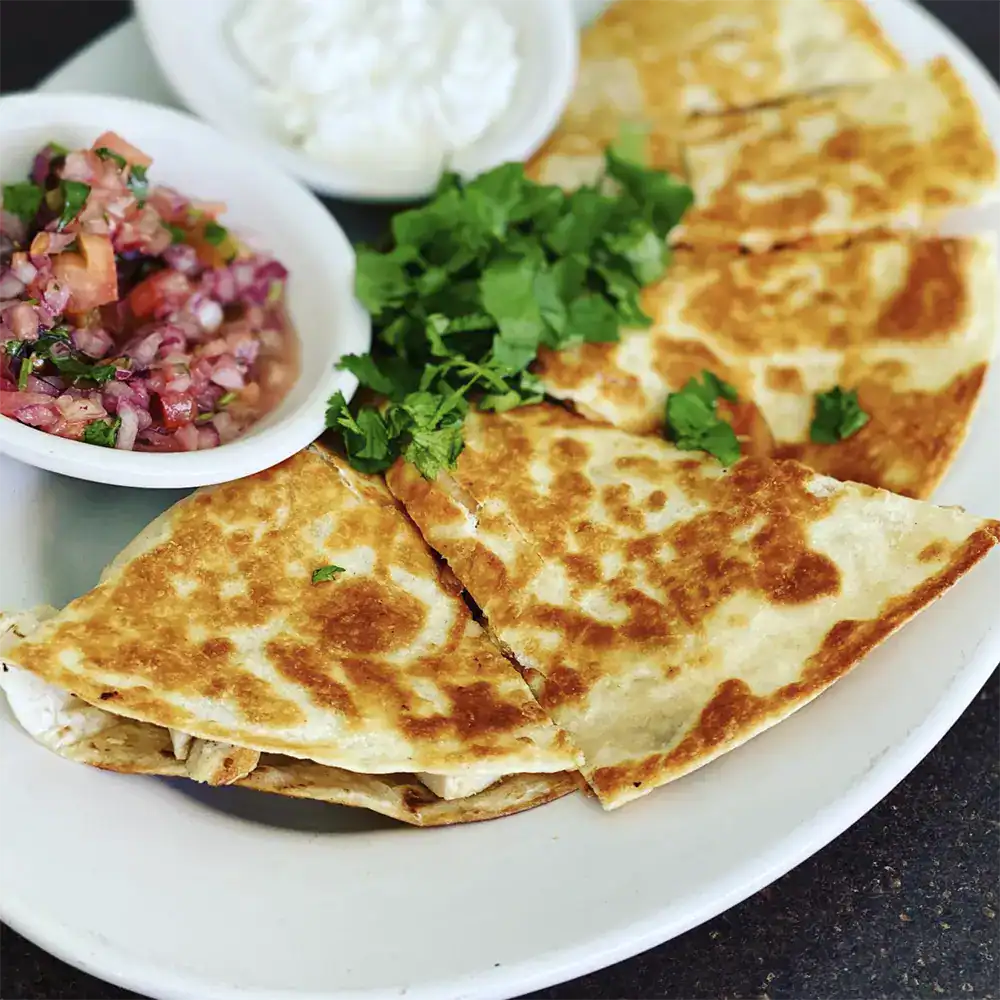
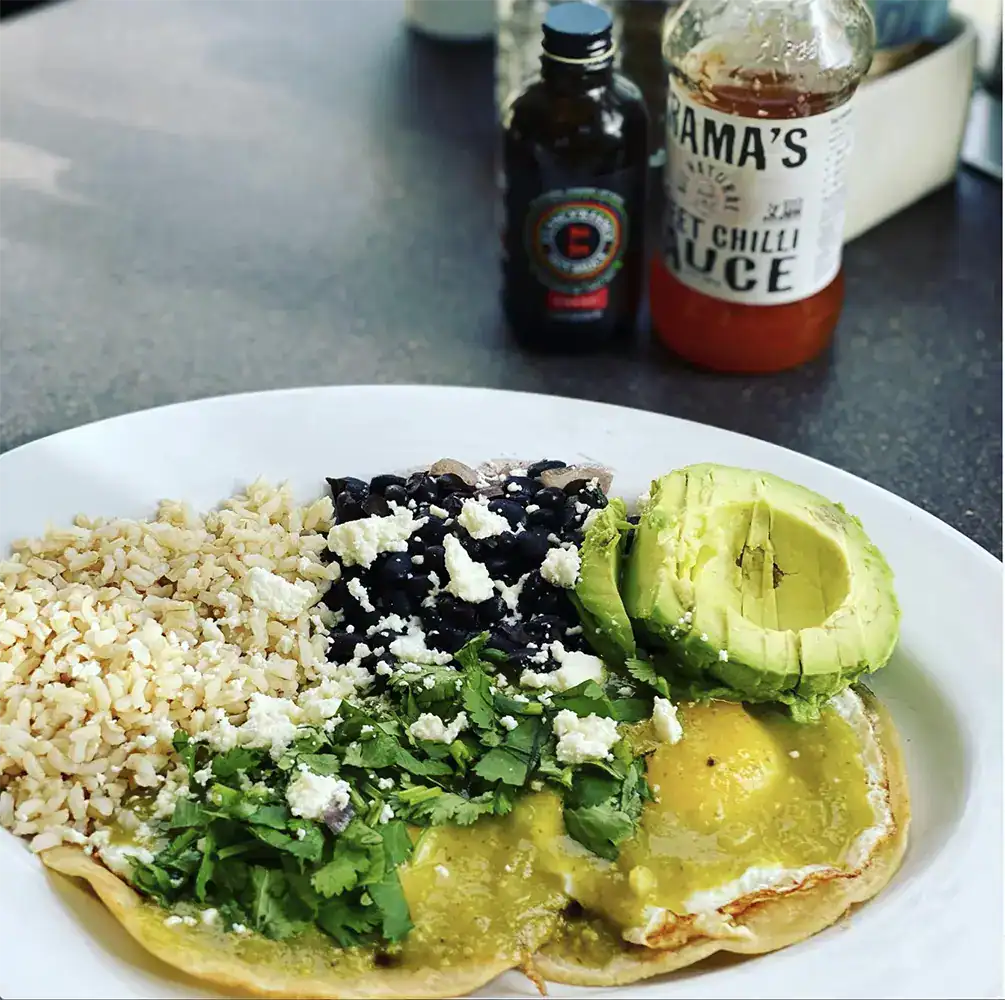
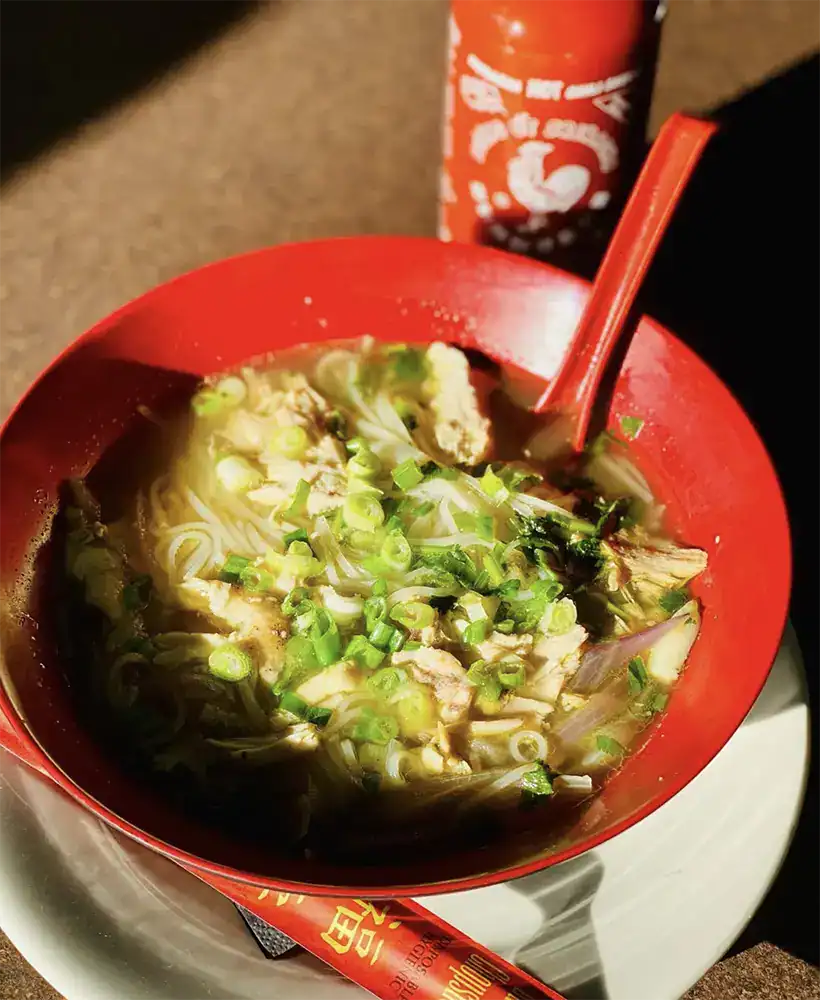
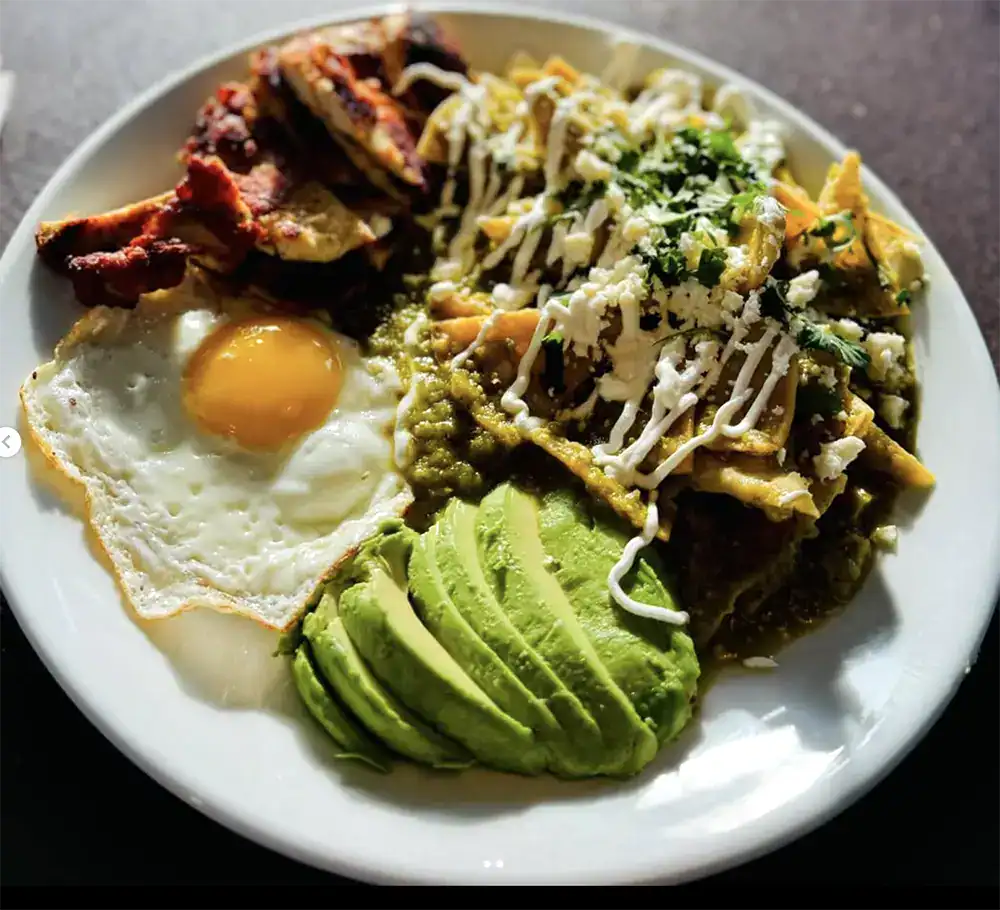
Oakhurst’s menu is eclectic, to say the least, with a hybrid of options including diner favorites (meatloaf with mashed potatoes, Mario’s beef chili, patty melts, pancakes, French toast, and breakfast sandwiches) to cutting-edge Vietnamese items not typically seen at diners (family recipes and homemade dishes courtesy of Paul Harney’s ex-in-laws in Texas, like Ma’s pho soup, edamame dumplings, chicken lemongrass dumplings, and bahn mi roast pork sandwiches; some are shipped in daily on dry ice) to creative Latin specialties by in-house chefs (chorizo migas, huevos rancheros, and Luis’s famous pork tacos). LeJeune said her customers “rave” about all of it – especially the Latin food. The menu also offers unexpected options like a macro plate, CBD beverages, and beer.
But beyond the delicious vittles, patrons entering Oakhurst can expect a great experience. That’s the thing about diners. No matter your political ideology; regardless of your socio-economic background; irrespective of your race, religion, gender, or age; whether you’re a multi-generational local or a newly arrived weekender from the city, everyone is welcome to saunter up to the counter, hop on a stool, and receive service with a smile – all while getting an eyeful of gorgeous American design.
What could be more delicious? •