This Month’s Featured Article
FROM THE QUIET OF COPAKE FALLS TO THE NEXT FRONTIER OF SPACE
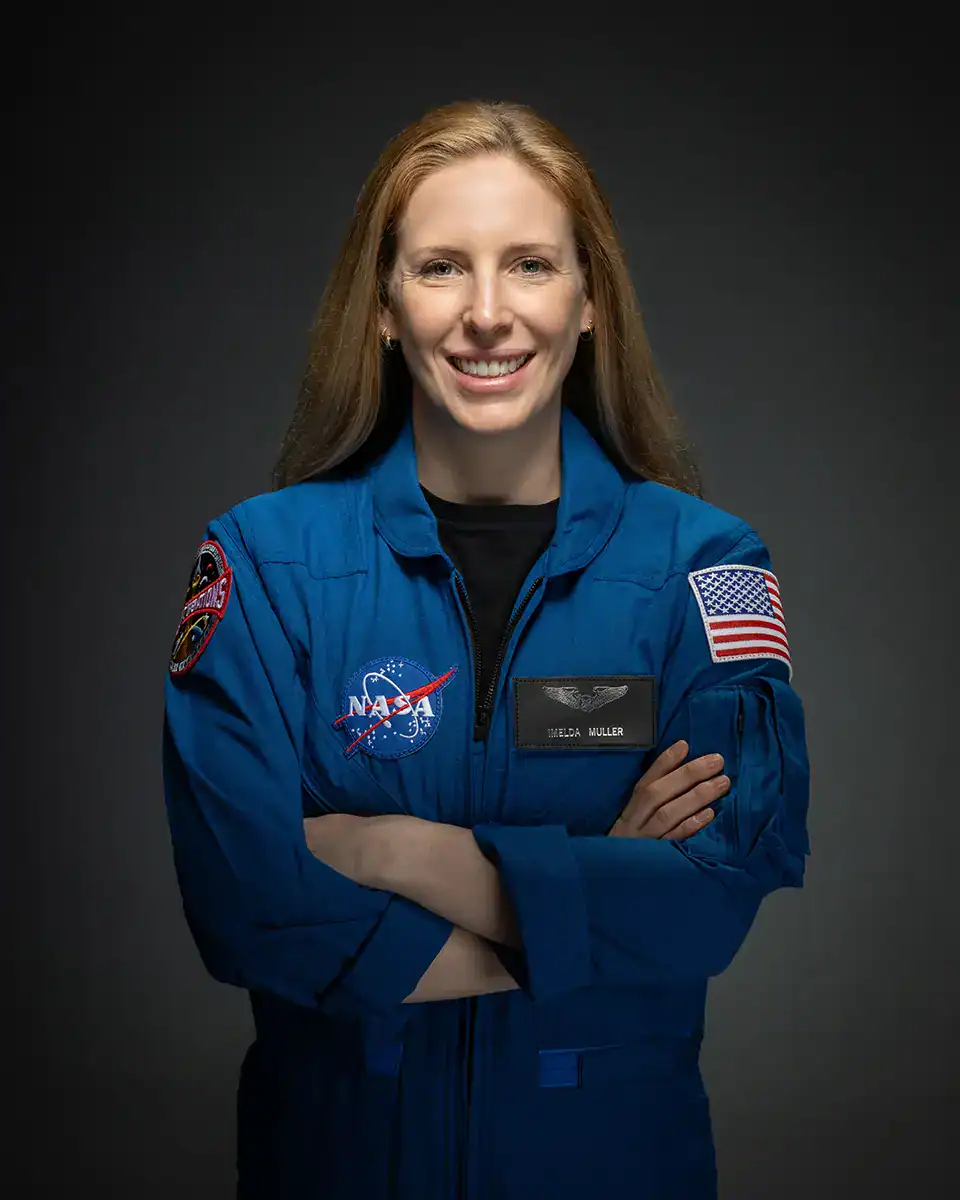
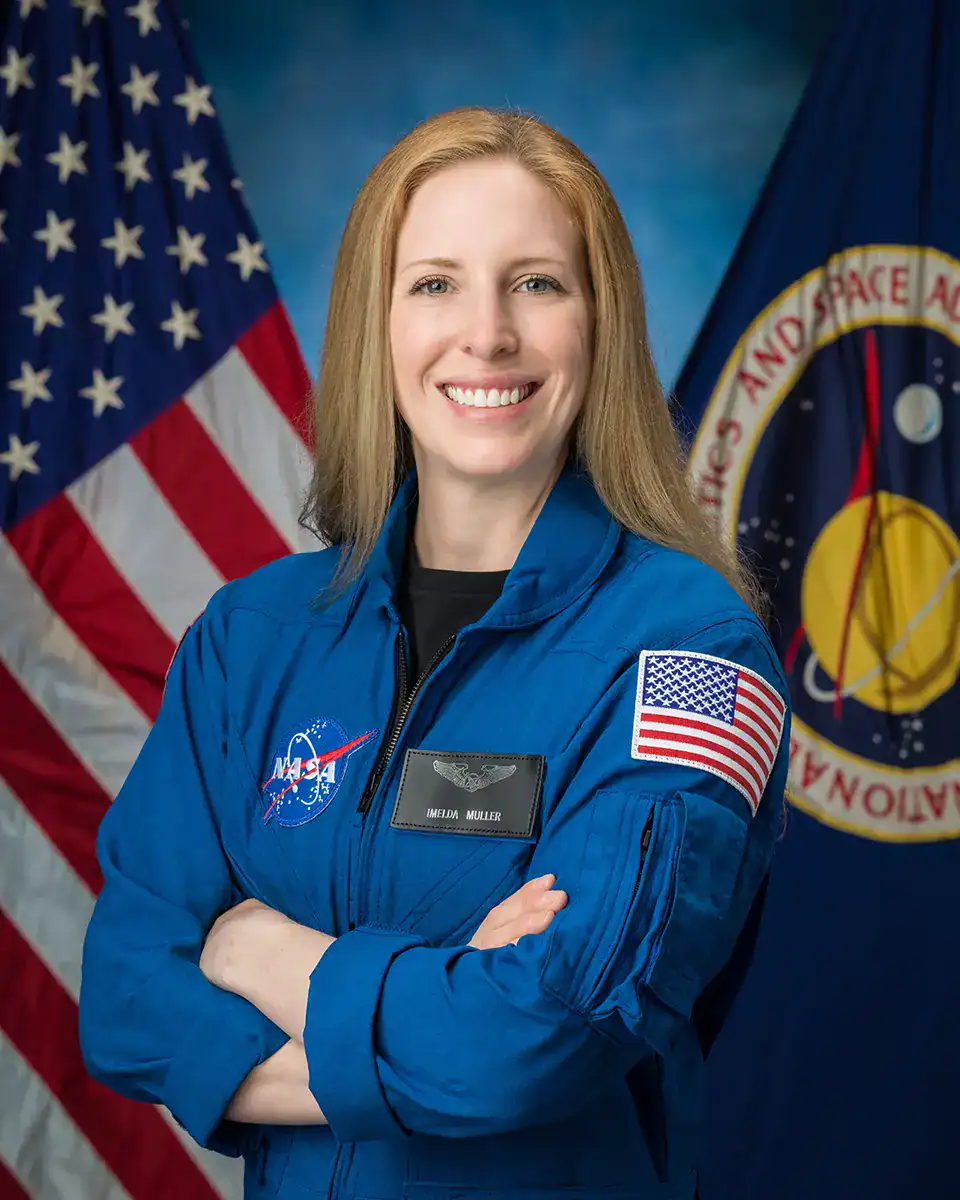
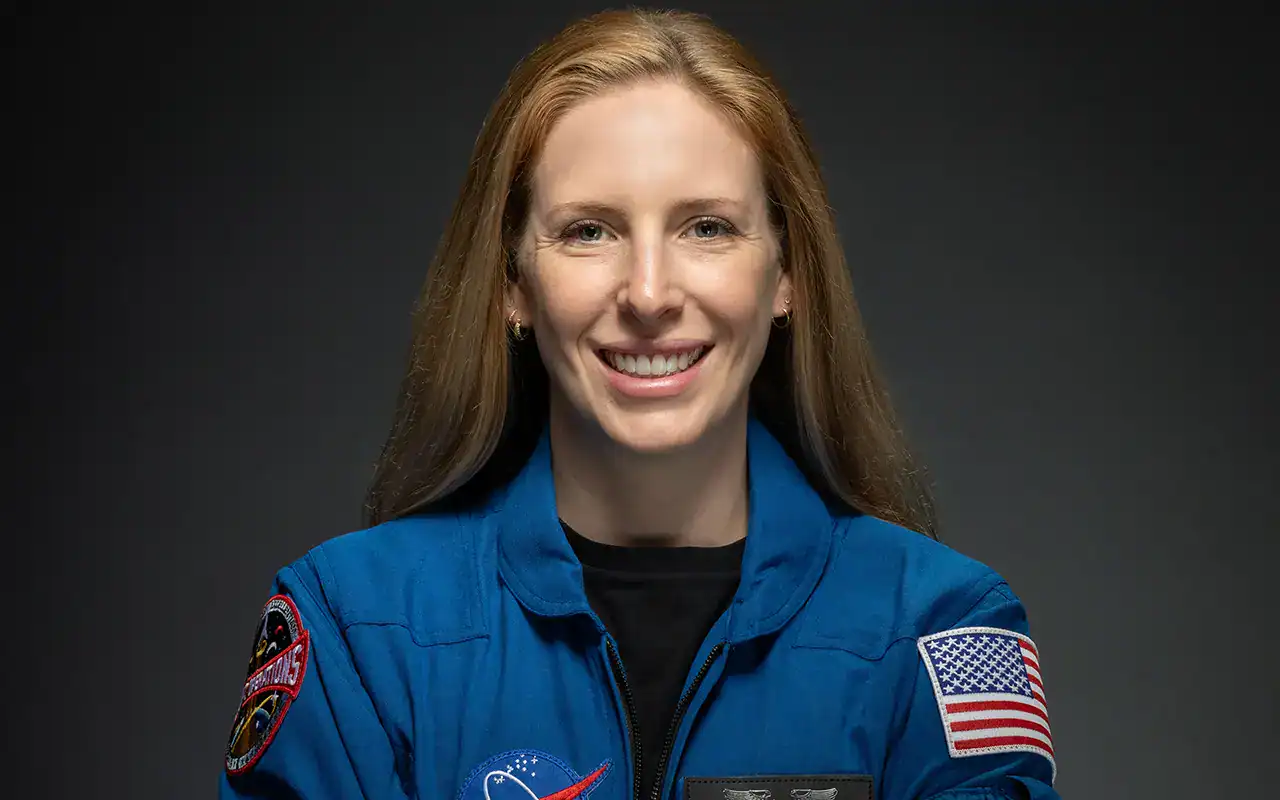
At exactly 12:49pm on January 28, 2026, the call from NASA came in on my cell. From NASA! On the other end was Dr. Imelda Muller, one of 10 astronaut-in-training candidates recently selected to the class of 2025 from over 8,000 applicants. She was calling from the Johnson Space Center in Houston, TX, a long way from her hometown of Copake Falls, NY.
When I gushed my thanks to Dr. Muller for her interview time, she immediately insisted, T“Please, call me Mel.” It was a small moment, but one that captured the essence of who I found her to be in the short and precise 10 minutes I had to speak with her. Even with a very demanding schedule, she was approachable, grounded, funny, insightful, and kind. Quintessentially human, even as she trains for a life that will take her far beyond Earth’s atmosphere.
From whence she came
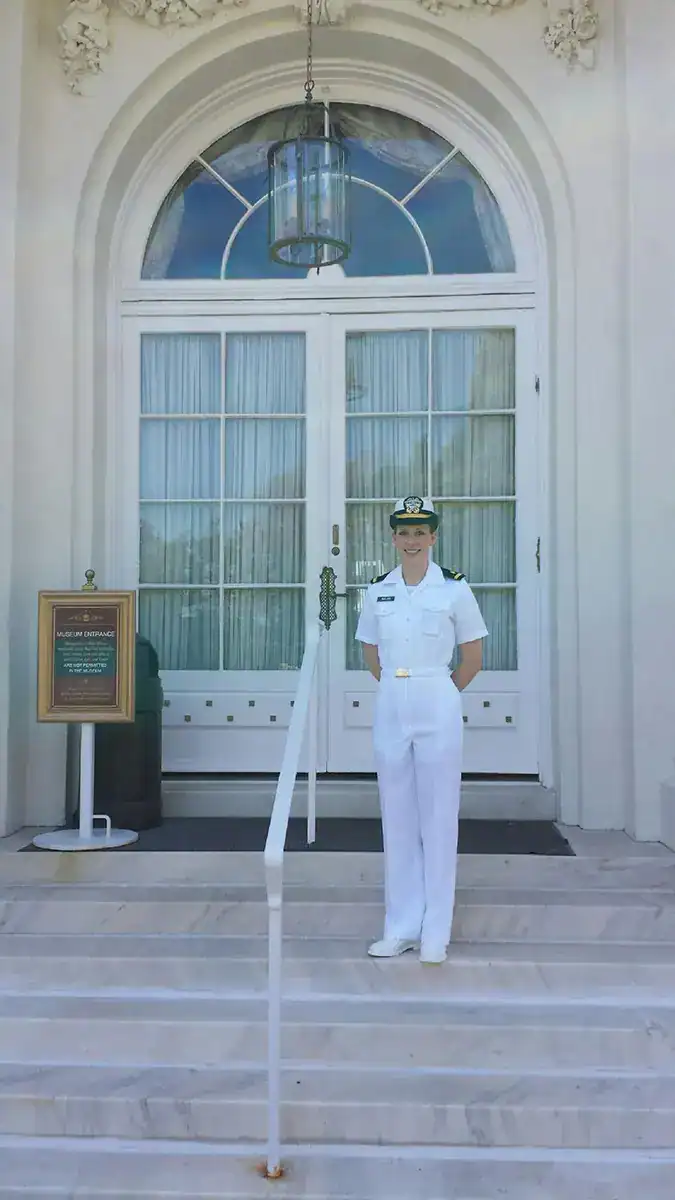
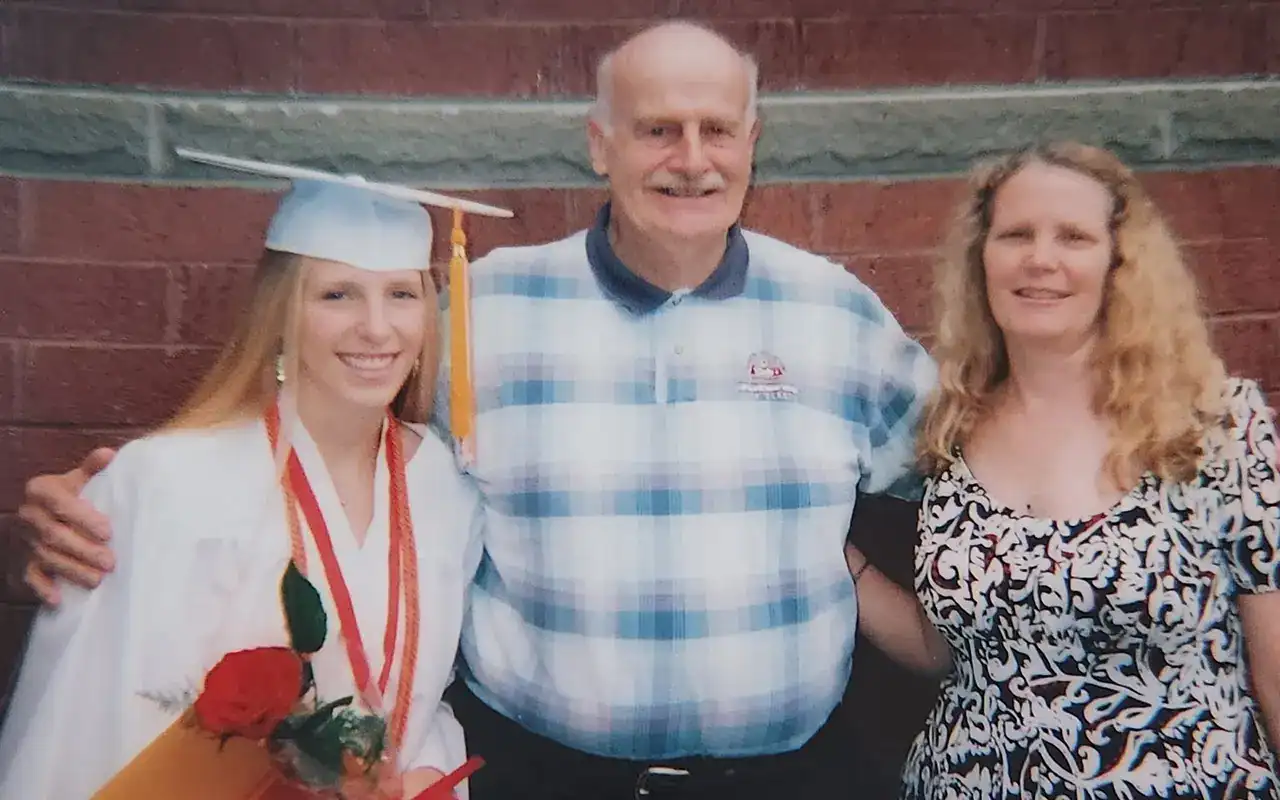
Dr. Muller’s – Mel’s – path has already taken her to stellar heights. From Taconic Hills Central School District in Columbia County, she went to Northeastern University, where she earned a bachelor’s in behavioral neuroscience in 2013. Next, she attended the University of Vermont College of Medicine, where she earned a medical degree in 2017. From the UVMCM, Dr. Mueller joined the US Navy, completing a transitional year residency internship at the Naval Medical Center in San Diego in 2018. A year later, she completed the US Navy Undersea Medical Officer training.
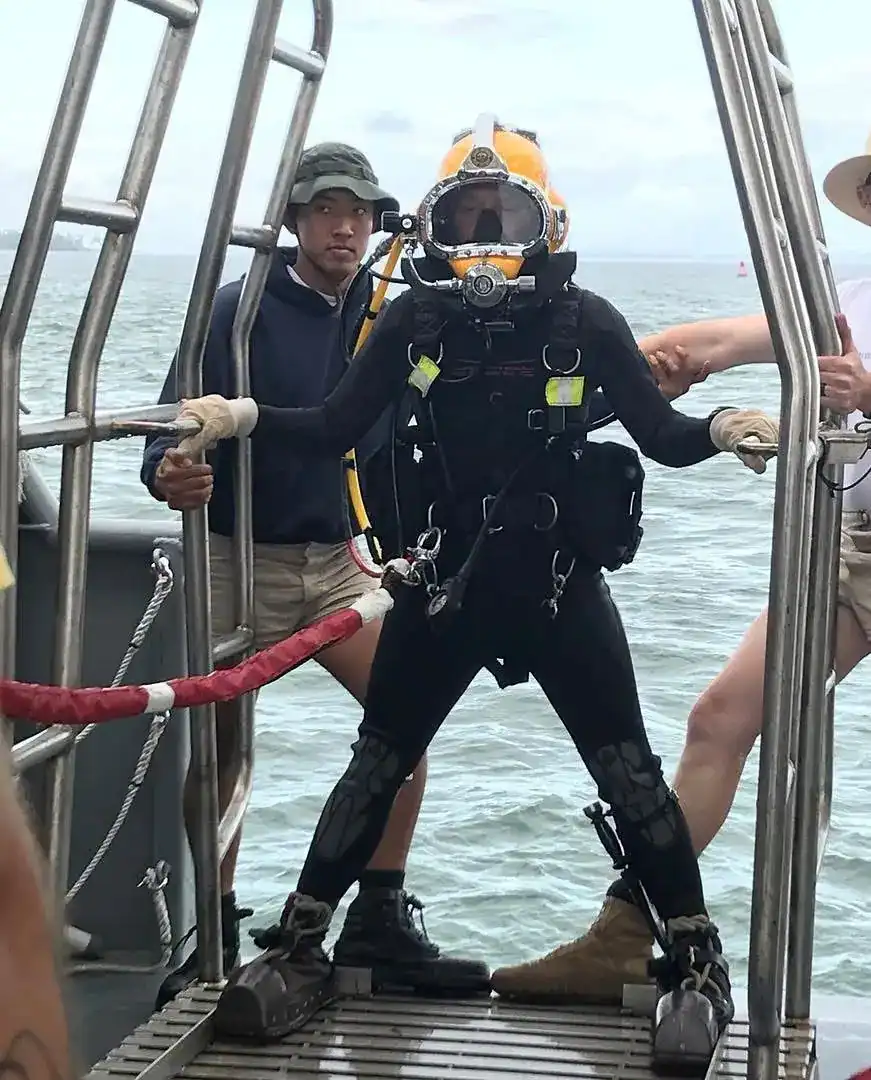
A lieutenant in the US Navy, she served as an undersea medical officer at the Navy’s Experimental Diving Unit in Florida. Her work in decompression safety led her to NASA’s Neutral Buoyancy Lab at the Johnson Space Center in Houston, where she provided medical support during diving training.
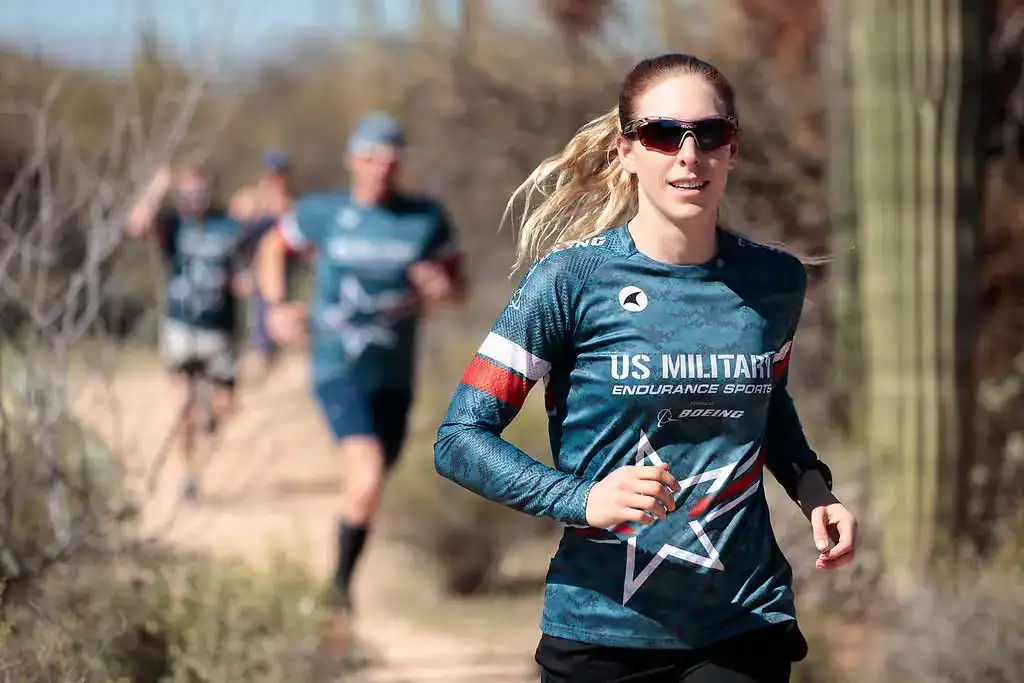
And not just that! In the Navy, Mel was also a member of the elite All-Navy Triathlon Team in 2022, and competed on the US Military Endurance Sports team. She was completing a residency in anesthesiology at Johns Hopkins School of Medicine in Baltimore when she was accepted into NASA’s astronaut-in-training class. She has earned many awards and honors along the way, too. (For more information on Muller and the other candidates in this esteemed class, check out the YouTube video, “NASA Selects 2025 Astronaut Candidates.”)
Where she’s going
When asked about her vision for space exploration in the coming decades, Mel didn’t hesitate. Her voice carried the excitement of someone who sees the horizon widening before her.
“I share a vision with a lot of the world,” she said. “We’re on the verge of taking space exploration beyond what is closest to us and learning lessons beyond the Apollo missions that can inform us about going deeper into space, with the goal of getting to Mars.”
For Mel, the most thrilling part is the sheer scale of possibility.
“What’s amazing with space is it’s not a finite resource. There is so much to discover. Space industries are growing, and the world as a whole is looking out. It’s like we’re pioneers in a new frontier … an old frontier that’s becoming a new frontier.”
Her words echo the spirit of exploration that once drove her grandfather – her beloved “Umpa” – who played a small role in designing components for the Apollo lunar landing module. His joy in that work, she said, “carried him through his life and certainly affected me.” In many ways, Mel is continuing a family legacy that began in the earliest days of lunar exploration.
Training for the unknown
Mel’s current life is defined by training: intense, structured, and endlessly varied. Her astronaut candidate class is undergoing two years of preparation to ensure every member has the same core foundation.
“We do all kinds of different things,” she explained. “Spacewalk practice, operating International Space Station systems, and so much more. Always something different.”
For someone who has already served as a Navy physician and undersea medical officer, the return to student life is a gift.
“As an adult learner, it’s an amazing time and place to reflect,” she said. “It’s a real privilege to be on the learning side.”
NASA, she added, has an energy that feels familiar. “It’s the same type of energy I felt as part of a team in the Navy and as a physician. We’re working on something bigger than ourselves. I have that strong sense of this being a huge privilege and a motivator.”
From the deep sea to deep space
Mel’s Navy background gives her a unique perspective on extreme environments. As an undersea medical officer supporting diving operations, she witnessed firsthand how the human body and mind adapt under pressure – literally and figuratively.
“Both environments are unique,” she said. “They have impacts on us that are both physiological and psychological. Research teams around the world are exploring this, and there are similarities between the deep sea environment and the environment of space.”
The hope, she explained, is that what scientists learn from these challenging environments will ultimately help people live healthier lives here on Earth. It’s a reminder that space exploration isn’t just about reaching distant planets, it’s about understanding ourselves.
When asked what people misunderstand most about space, Mel paused. “That is a question for the universe,” she said with a laugh. But then she offered something more reflective.
“We focus a lot on development of science and technology. What can we learn? How can we grow? We can grow a lot as humans working with each other, and those lessons will be translatable on a mission. We learn lessons about each other as humans.”
It’s a perspective that feels especially resonant in a small town, where cooperation and community are part of daily life. Space, in Mel’s view, is not only a scientific frontier, it’s also a human one.
Copake Falls still inspires
Despite her demanding schedule, Mel returns to Copake Falls whenever she can. She was home briefly over Christmas, and the memories of that visit were vivid.
“When I’m there, I just love being outside,” she said. “The hiking and the quiet and the dark sky at night.”
For anyone who has stood under a Copake Falls sky on a clear winter evening, her words ring true. The stars feel close enough to touch – a coincidence not lost on someone training to see them from above.
Mel also spoke warmly about the foundation she received growing up in a small community. “I had opportunities to be involved in all kinds of extracurricular activities, and everyone at Taconic Hills and in the community was so supportive.”
I asked whether TV shows and movies like Star Trek, Star Wars, Lost in Space, or any others have influenced her, and I was surprised when she said she really doesn’t have a favorite – though she did confess that she occasionally hears William Shatner’s voice lulling her to sleep.
She said that what excites her more is the explosion of children’s books about space. “There are whole sections in bookstores and libraries now for kiddos. I don’t remember that when I was young.”
And astronaut food? She hasn’t been to space yet, so she hasn’t had to live on it, but she said that the training includes learning how to rehydrate meals. “The other day we had to rehydrate Brussels sprouts,” she said, laughing. “They tasted really good!”
Back to Earth
The interview time wrapped up way too quickly for me. In wanting to share more about Dr. Imelda Muller, I was reminded of an article written by Patrick Grego for The New Pine Plains Herald in September 2025, in which she said, “We’re constantly learning about how far we can go as humanity. Some things are physical limitations, some are cognitive, and some are just limits that we put on ourselves.”
Grego also asked what she’d say to children looking into space and imaging other worlds. Her reply? “The sky is no longer the limit. It’s time to think big. That can mean working hard at whatever challenge they have to overcome that day. You might be surprised at what you might be able to achieve, especially with the right team.” •
Learn more and cheer Mel on by following her and her fellow astronauts-in-training on these Instagram accounts: @nasa;
@nasajohnson; @astro_imelda; x.com/NASA_Johnson.