
Main Street News
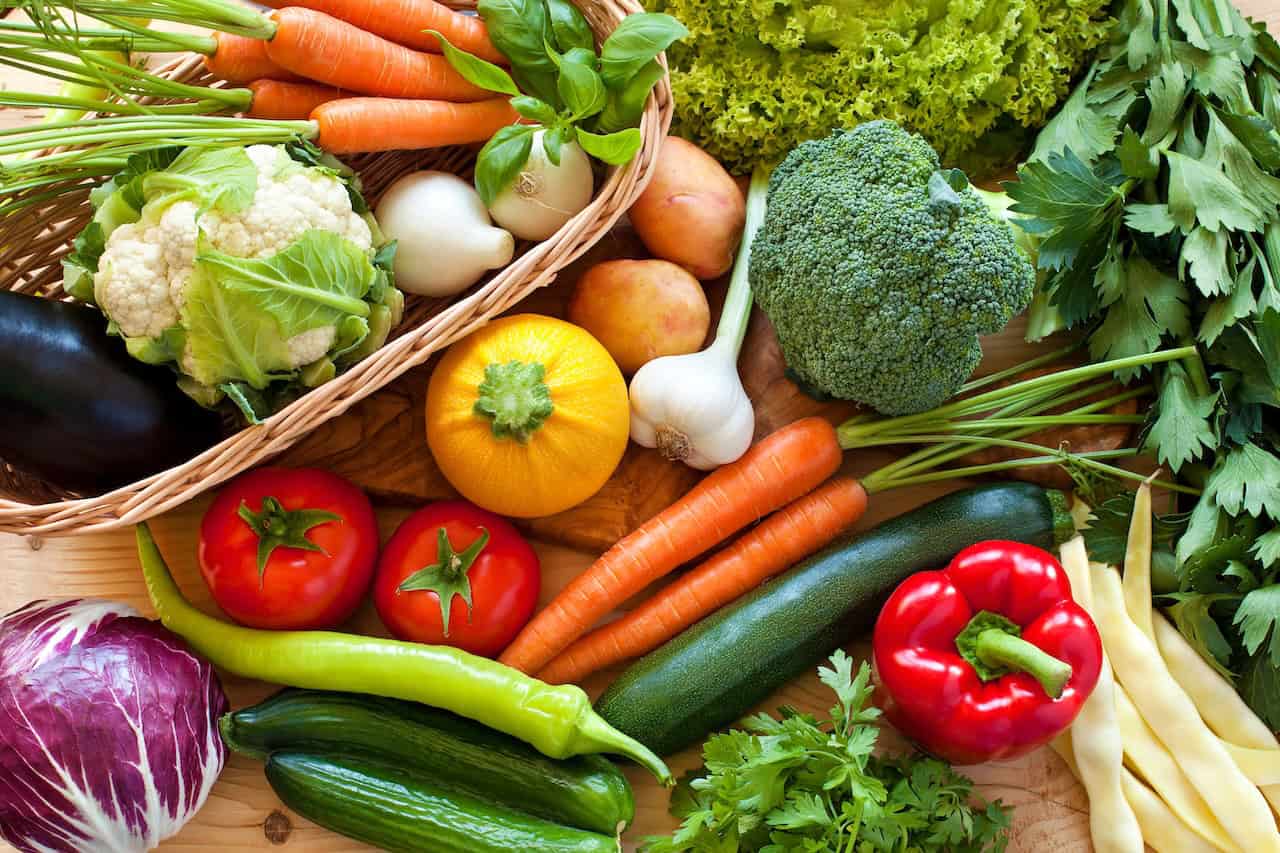
Close up of various colorful raw vegetables
Seasonal eating: What is it and why is it good for you?
Seasonal eating is nearly as old as farming itself. Before people learned how to preserve food properly, people ate the foods that they grew when it was harvested. With the introduction of supermarkets, suddenly all kinds of food could be imported and sold even when not in season.
While having access to many kinds of fruits and vegetables all year round can be enticing, there are hidden benefits to eating foods that are in season.
What is seasonal eating?
Seasonal eating is exactly what it sounds like – eating foods that were recently harvested by farmers and that are in season. Studies have shown that the fresher the produce, the healthier it is for your body. Fruits and vegetables that are consumed shortly after harvesting have been shown to contain higher levels of vitamins, minerals, and antioxidants, which helps protect the body against cancer and other diseases.
Produce that has traveled a long distance and sits on grocery store shelves for long periods of time, by comparison, are said to lose more nutrients and The National Center for Appropriate Technology reports that some produce is engineered for a long shelf life, therefore sacrificing taste and nutrition for preservation.
Why is seasonal eating good for you?
In general, eating from the farm or the garden ensures that you’re getting the most nutrients and reaping the most rewards from the food. As stated above, the longer the time between harvest and consumption, the higher the loss of vitamins and antioxidants. “Vitamins, particularly vitamin C, degrade during storage, meaning apples kept for several months may have lower levels of certain nutrients compared to freshly harvested ones,” says registered dietitian Annie Cavalier in an article for the American Heart Association.
In the article, Cavalier also states that if your diet shifts with the season, it ensures that you’re eating a wider range of fruits and vegetables, which in turn means that you’re getting a wider variety of nutrients overall.
Beyond being good for your body, seasonal eating is also beneficial for the economy and the planet. Purchasing produce from local farmers through farmers markets or CSAs (community supported agriculture) allows the money to stay in your local community and creates more jobs for locals.
Seasonal eating is also beneficial for the planet, as stocking fresh fruits and vegetables that are out of season requires markets and grocery stores to transport the food. The cost of transportation isn’t only factored into the price you ultimately end up paying for the goods, but the carbon dioxide output from transportation also negatively impacts the planet.
The American Heart Association states that oftentimes, seasonal goods can be cheaper as well, thanks to the laws of supply and demand: “If a food is in season, suppliers will have more of it and prices should be lower. ‘Whereas if it’s a good that’s not in season, not only do you have less of it, but they’re also having to transport it from far away, so then you’re having to pay for those transport fees, the refrigeration feeds, all of those things that really add up and can make the out-of-season foods more expensive.’”
So, what’s in season?
The easiest way to check what produce is in season in your area if you are in the United States is to visit seasonalfoodguide.org. There, you can search by state, month, and produce to determine what produce is in season in your area. For example, in New York, Connecticut, and Massachusetts, foods such as horseradish, salsify, mushrooms, shallots, sprouts, and sunchokes are in season in late January.
Additionally, visiting your local farmers market or farms to speak with the people who grow your food directly is another excellent way to determine what is in season.
Regardless of whether or not fruits and vegetables are in season, the important thing is that you’re eating a healthy dose of them on a regular basis anyway. Federal dietary guidelines recommend that adults eat one-and-a-half to two cups of fruit each day, and three to four cups of vegetables. Eating a diet rich in plant-based foods can lower the risk for a variety of health issues including heart attack and cardiovascular disease.
*Disclaimer: All medical claims made in this article are information provided by the subject. The information is general in nature and not specifically meant for any particular individual. You should always seek out medical assistance from a medical professional based on your individual needs and circumstances.