
Main Street News
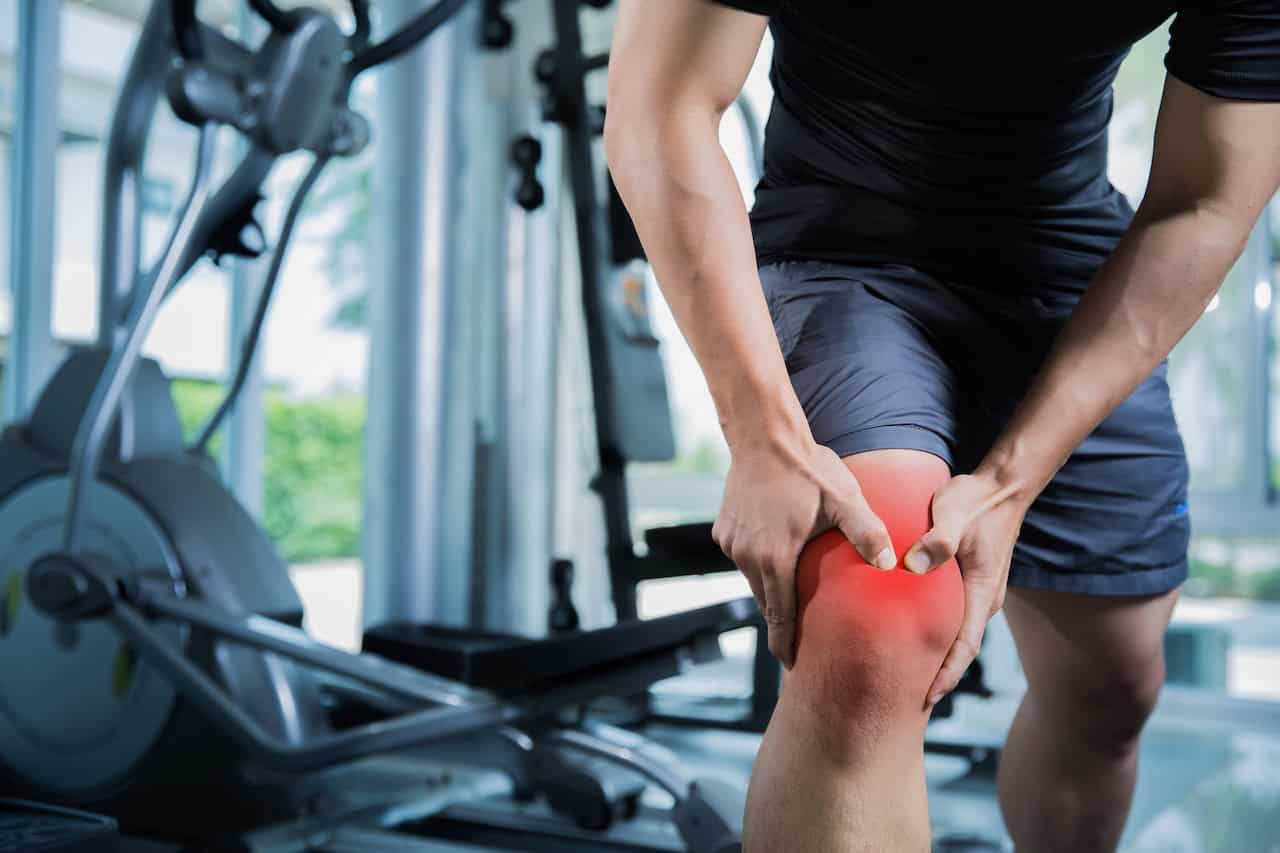
Healthy men Injury from exercise in the gym, he injured his knee
Tips for reducing joint pain as you age
AARP reports that an estimated 53.2 million (or 1 in 5) adults in the United States have arthritis, and the majority of them (about 88 percent) are aged 45 and older. “It’s a very large public health problem,” Elizabeth Fallon, lead author on the report in AARP said. “Arthritis is a leading cause of activity limitations and disabilities, and it can be costly to both individuals and the healthcare system.”
Even if you don’t notice it, major joints like your knees and hips are working hard every day. These joints are vital for everyday function – your knees are the biggest joints you have in your body and help you stand, move, and balance your bodyweight, while your hips are essential for all movement and provide support for your back and legs.
If your joints are injured due to wear and tear, they can cause a lot of pain and limit your daily activities. Spending some time providing some necessary TLC for these joints when you’re young can go a long way for how your joints function as you age.
- Wear supportive shoes
That cute pair of heels that you love might be doing more damage to your joints than you think. If you wear uncomfortable, unsupportive shoes too frequently, you can negatively impact your hips, knees, and overall posture. Per SELF, “heels force your knees into a more bent position and put pressure on the knee cap. Prolonged walking in heels can strain your feet, the backs of your legs, and hips.”
Proper footwear, on the other hand, can provide support, cushioning, and protection. Shoes with arch support and cushioning helps to distribute body weight evenly across the feet, which can prevent excess pressure on certain areas, such as the heels or balls of the feet. A lack of structural support in the feel can increase stress on your joints, particularly in the hips and lower back.
If you have to wear the heels for an event, it may be helpful to pack a pair of comfortable, supportive sneakers to change into when you’re done or in case your feet start hurting.
- Add anti-inflammatory foods to your diet
When you suffer from arthritis and persistent joint pain, some foods may trigger more inflammation, while others can reduce it. According to Brown University Health, adding some of these high quality foods to your diet may help reduce joint pain.
- Omega-3 fatty acids. This healthy fat, found in foods such as fish, nuts, and in dietary supplements such as fish oil can help reduce inflammation and stiffness. Omega-3s can also be found in ground flax, flaxseed oil, and walnuts.
- Vitamin D. Dubbed the “sunshine vitamin,” this is an important one for bone and muscle function. “Research studies have linked low blood levels of vitamin D with increased risk of osteoarthritis and rheumatoid arthritis. Sources include sunlight, egg yolk, salmon, cod liver oil, and fortified foods such as milk and orange juice.”
- Turmeric. This powerhouse spice contains a chemical known as curcumin, which helps reduce swelling and inflammation by blocking cytokines and enzymes. You can add turmeric to smoothies, eggs, or sauces for added flavor and an anti-inflammatory boost.
- Ginger root extract. Ginger has been shown to have anti-inflammatory properties similar to ibuprofen.
- Pay attention to your posture
The Arthritis Foundation reports that sitting all day and hunching over your phone or laptop can “place abnormal stresses on your joints, leading to excess cartilage wear and damage.” To practice good posture, the Arthritis Foundation recommends “standing up straight with your shoulders back, head level and in line with your body, abdomen tucked in and feet shoulder-width apart. When sitting, keep your back against the back of the chair, your feet flat on the floor, a small space between the backs of your knees and the chair, and your knees at the same height or slightly lower than your hips.
It can also be beneficial to change your position throughout the day to prevent sitting for prolonged periods of time. Take a quick 5-10 minute walk once every hour or two if you’re able to ensure that you’re never stuck in position for hours.
- Warm up before exercising and cool down after
Before performing any physical activity, it’s important to do a quick warm-up to get your blood pumping and prime your muscles for more intense movement. Take five to ten minutes at the start of your workout to do a brisk walk, dynamic stretching, or jogging.
An effective cool down is equally as important. A cool down lowers your heart rate, prevents muscle and joint stiffness, and increases blood flow, which aids in muscle recovery. Static stretching, mobility, and yoga are all great options for an effective cool down.
Pay attention to extreme muscle soreness or pain. While some muscle soreness after an intense workout is normal, if it doesn’t go away or get better within a few days and you have any symptoms like swelling, numbness, or loss of range of motion, then it’s time to see your doctor. These symptoms could mean an injury, and it’s important to get treated as soon as possible.
*Disclaimer: All medical claims made in this article are information provided by the subject. The information is general in nature and not specifically meant for any particular individual. You should always seek out medical assistance from a medical professional based on your individual needs and circumstances.