This Month’s Featured Article
Trading cards
“Daddddd, can we go to the mall???” It’s son number two, beseeching me to convey him and his older brother to the mall 30 miles from where I’ve horizontally parked myself on the chesterfield after a day of assiduously applying my nose to the grindstone. “Jimmy’s mom says new cards are in!”
New cards. In this case, we’re talking Pokémon cards, which I’ll admit to not understanding at all, but I sure do get the idea behind collecting cards. Do I want to roust myself and do this? Why not? Besides, it’s always good to keep in mind that these two young people who claim to be my children, with the four beady eyes focused squarely upon me, will (well, let’s hope it doesn’t come to this) one day choose my nursing home. Into the family jalopy and off we head to the mall, where one of the boys’ friend’s moms manages a shop that purveys, among 40,000 other trinkets and gee-gaws, Pokémon cards, and who’s happy as a clam to alert us to the latest shipment of the things.
The desired outcome of this excursion would be a Charizard … or a Blastoise, a Venusaur, a Snorlax, or, of course, a Pikachu. Even a relative doofus such as the dad of these highly motivated, obsessed young banshees collectors knew enough to hope for a Pikachu.
Growing a collection
Although my personal experience with the true collecting of cards wound down the deeper into my teens I advanced, which I suspect is the way it works with most, there were years when my dad was wont to say that I spent so much time with my baseball cards that I knew what each player had for breakfast that day. In my early days of collecting, he was my conduit to making the collection grow, as I relied on him to fetch on home a pack or two of my heroes, accompanied by the requisite stick of gum roughly the same consistency as our kitchen’s linoleum floor. You would hope against hope that the “gum” hadn’t gone rogue and essentially destroyed the one card against which it had spent its time imprisoned in its waxy jail.
One episode stands out in a big way inside my cranium decades later. I was around the age of eight. My dad, not a penurious man but certainly no spendthrift, and I were in the local “convenience” store before there ever was such a thing. On the counter adjacent to the register sat a display of that year’s baseball cards, with maybe six or seven packs remaining. You may be able to discern how shocked I was that he bought them all by the very fact that I recall this in stark relief: there’s my dad, the store proprietor, and yours truly with his eyes no doubt out on springs, salivating over these things in the store, and then the white Olds Cutlass we climbed into to return home as I clutched the packs in my grubby little mitts, deferring the gratification of opening them until we arrived home.
How “value” grew over time
I was particularly rabid about baseball cards, with some football and basketball thrown in, but it was not difficult to make the leap to getting my head around the Pokémon attraction. We won’t talk about the stack of Beatles cards that somehow drifted away, likely because in those days the band was part of the landscape and failed to engender the sort of unbridled rapture they would if that stack suddenly rematerialized in my presence. I can’t imagine what their value might be today, although I’ll bet eBay could tell me, were I to hazard a look.
But the “value” was never in their monetary value, not in the Beatles cards or any of the others. Not at the time. And who knew, at the time, that a card in pristine condition, the art absolutely centered, ungoobered-up in any way, was what you wanted, anything else being considered flawed goods in one respect or another and therefore caused the card to lose some of its “value?” For sure, no one knew that having grown up in the era when a card might just as well wind up serving as a noise-making device in the spokes of your bicycle wheels as playing a part in your retirement plan.
Touchstones of the collection
“What have we come to?” I asked myself the day I decided to remove my very much diminished – in terms of raw numbers – collection of cards, from the premises. It’s bizarre to me why I’d felt compelled to place certain prized baseball cards in my safe deposit box. Yet here we have landed, in this overwrought collectors’ environment that probably deserves its own listing on the New York Stock Exchange.
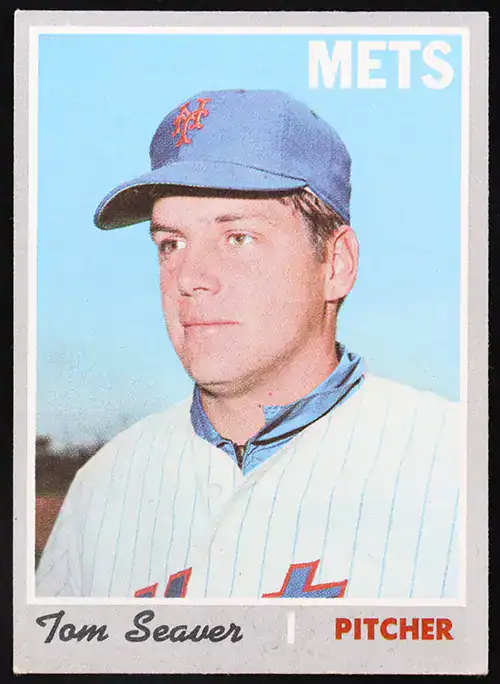
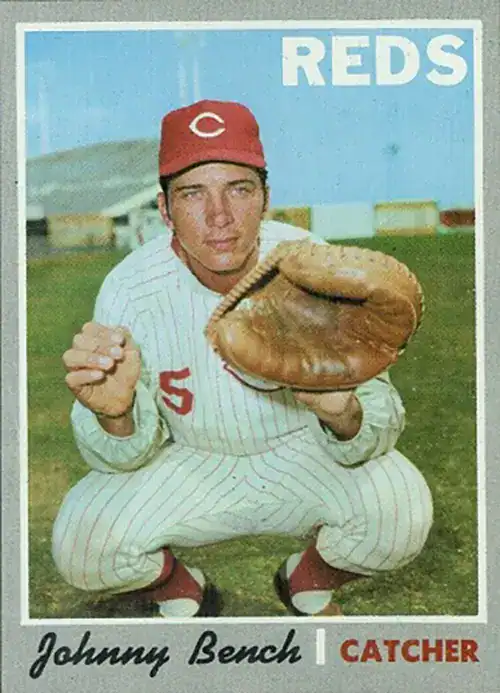
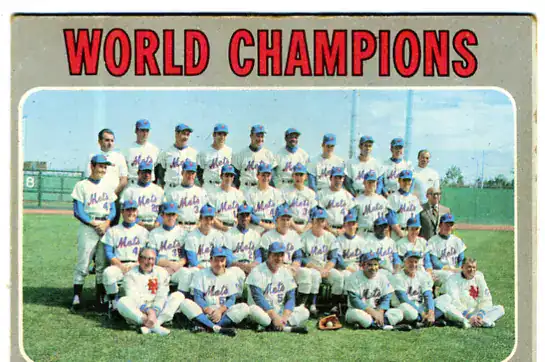
Certain cards have become touchstones over the course of my life. We can start with the most perfectest, bestest, sweetest cards ever: The Johnny Bench and the Tom Seaver from the 1970 Topps set, the set that was the apex of my collecting existence. Instant classics, as they say. It didn’t hurt, of course, that the set memorialized the 1969 World Champion New York Mets for all eternity.
A new card standard
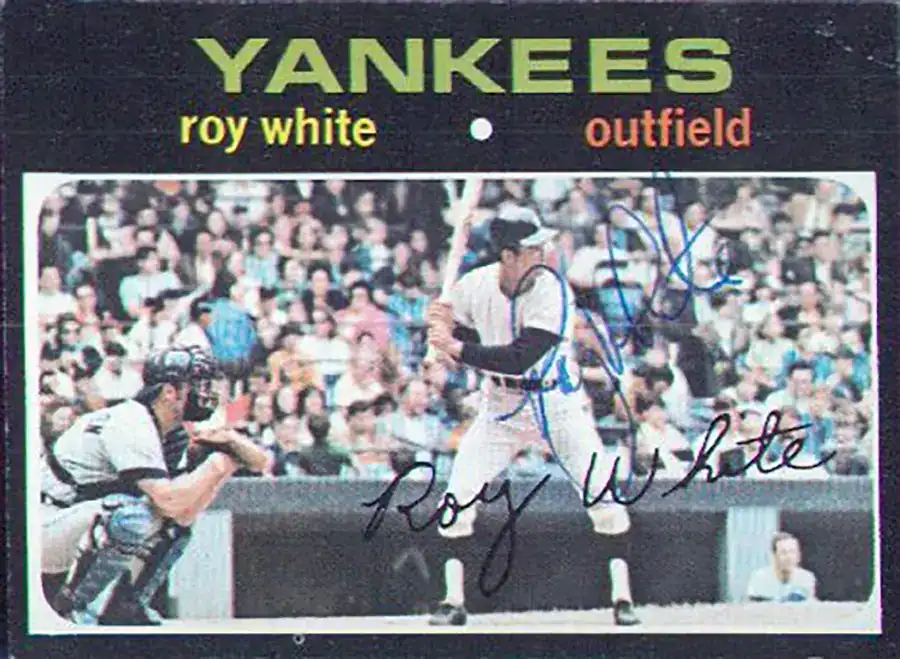
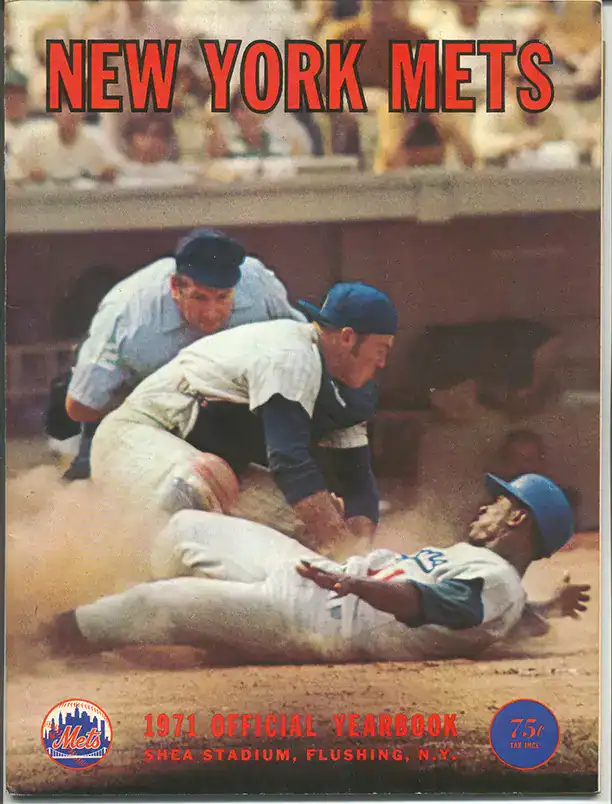
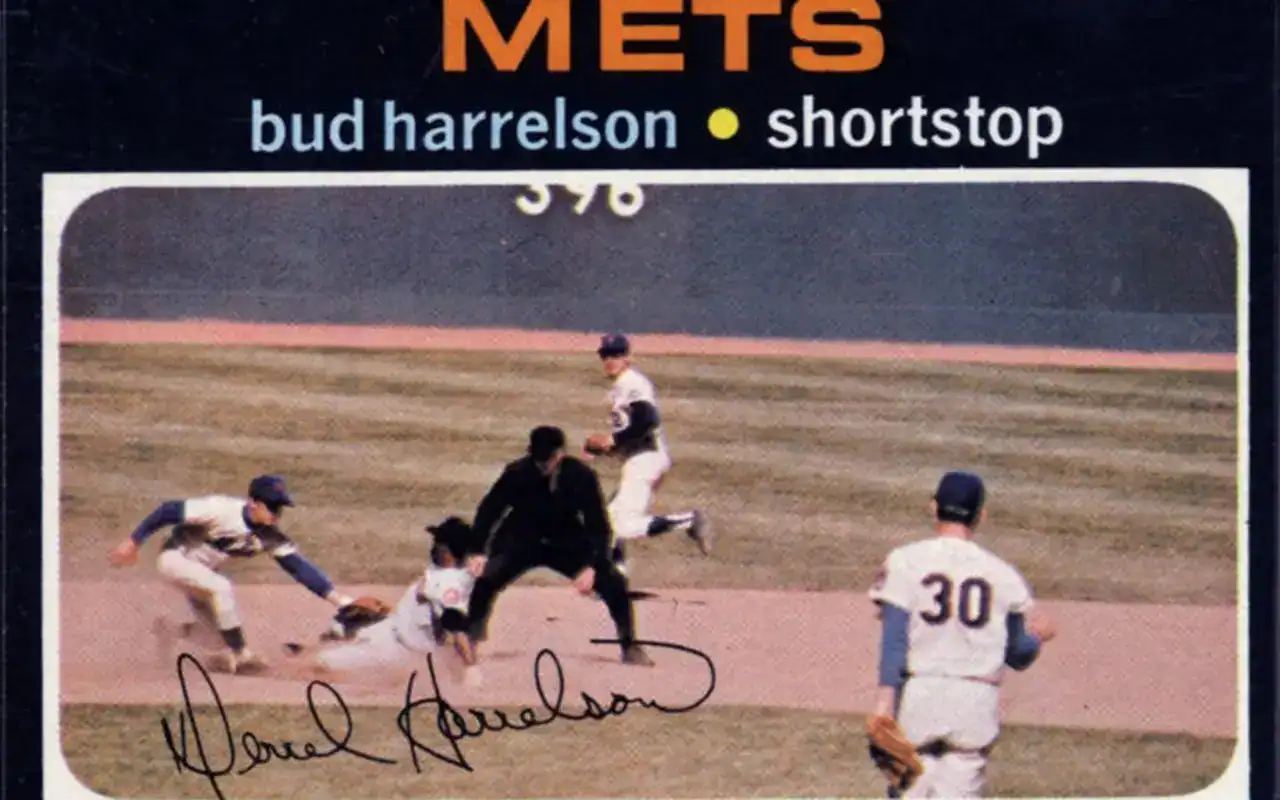
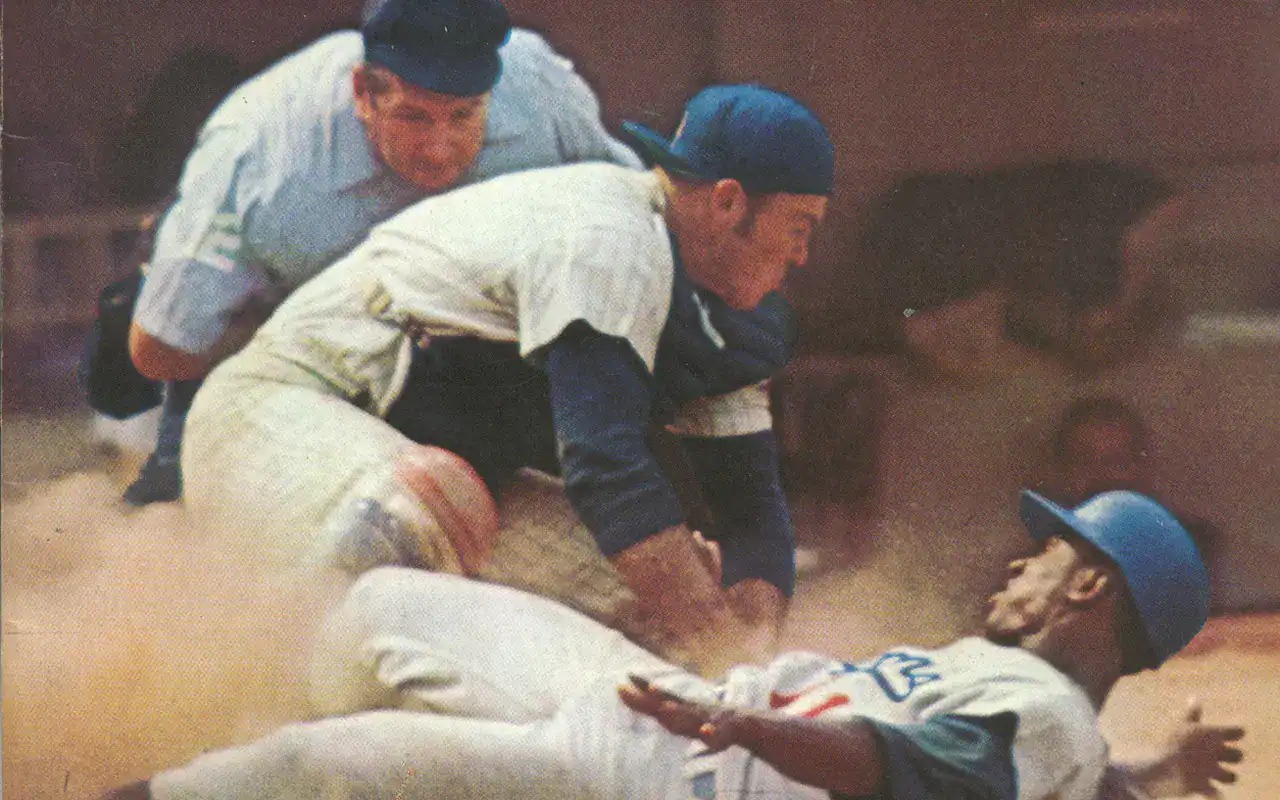
The 1971 Topps cards set a new standard in my world with the use of action photos. The 1971 Bud Harrelson depicts a mélange of baseball activity: There’s Harrelson, of course, tagging out what appears to be a sliding Joe Morgan at second, with pitcher Nolan Ryan signaling his approval of the play, second baseman Ken Boswell backing it up, and the ump, dressed like an 1870s businessman, in perfect position to make the call. It’s a beauty. Hardly important that you wouldn’t be able to identify Harrelson on the street using advanced facial recognition techniques based on the photograph on that card.
The ’71 Topps cards were simply gorgeous, if you ask me, and what made them so was the deep black border, the same thing that made it tough to maintain a pristine set, as it was susceptible to any random fingernail or passing zephyr that might cause a scratch. Somehow, I managed to keep that set reasonably intact, and thankfully so. The set came in handy when I tried my hand at selling insurance, which by itself had to be close to the dumbest idea I’ve ever concocted, and there’ve been some real doozies. In order to cover things like diapers and whatnot, I sold the set for $600. Nowadays, says the dimwitted AI thing that pops up in the web browser search, a complete set in good shape apparently can go for between $20 and $26,000. Nearly unlimited diapers!
Might I add that it didn’t hurt that my mom, who of course was the best mom ever anywhere, was a true princess: She was the mom that didn’t chuck out my cards, as was the fate of so many a collection. Yay, mom!
Local connections and favorites
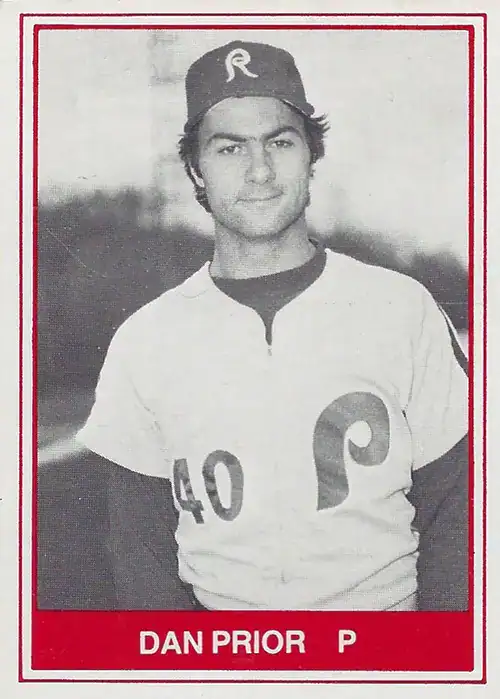
A personal favorite in the card collecting world is of a minor leaguer who never quite reached the majors. Wasn’t I surprised a few years back to discover the card of Ghent native Dan Prior, who threw so hard his pitches sounded like an agitated hive of bees going by, for sale online. We played a bunch of sandlot ball together, as well as on my first Little League All-Star team – it sure was handy to have him on the mound for that operation, particularly for me as third baseman. That card was clearly safer in my hands than in that of the sales agent.
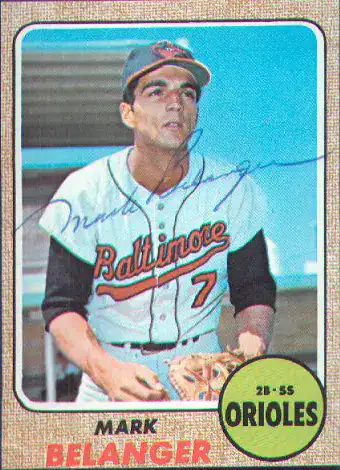
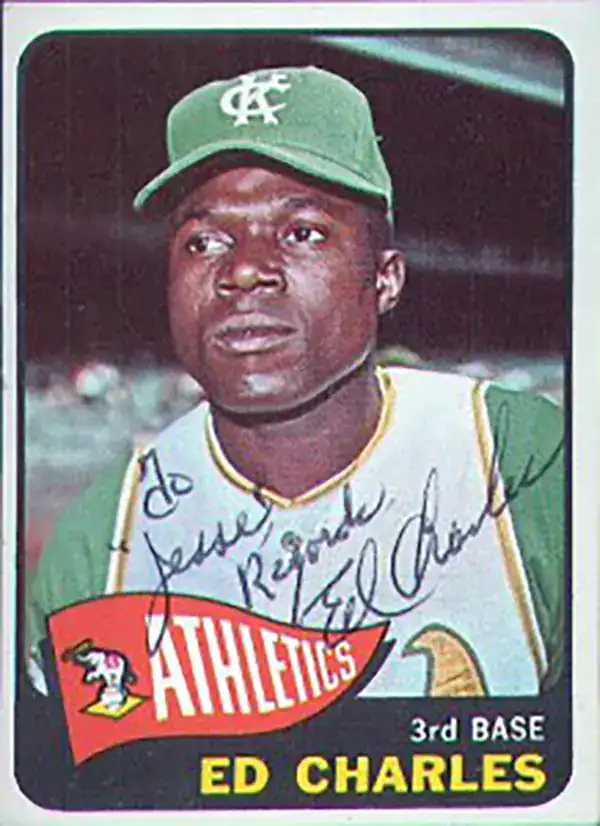
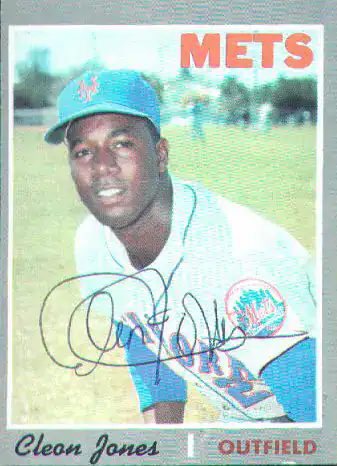
In my time of serious collecting, autographs on a card were deemed verboten, totally taboo, viewed as having spent time in a leper colony. Something has changed. It appears an entire industry has grown up around autographed cards. Well, whaddya know? With estimates of upwards of 11 million folks now collecting autographs on cards, apparently, I made the right mistake way back when I set about doing just that for a couple years, before college and life and all that foolishness encroached on my hobby.
To autograph or to not?
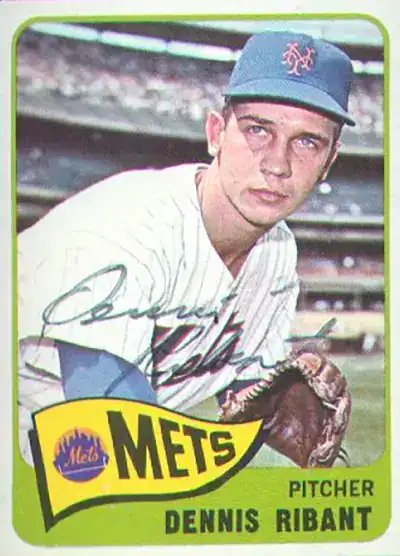
Then there’s regular ol’ autograph collecting on anything one happens to have in their midst. While my first baseball hero was a Mets pitcher by the name of Dennis Ribant, who put up a decent year on Willetts Point before being traded away following that ’66 season, next year who would appear but Tom Seaver, to whom my allegiance would almost immediately transfer.
In 1968, as our little clan found itself in Shea Stadium box seats on the first base side, who should appear but Seaver, signing autographs. After failing to enlist my dad to go down and get an autograph for me, I summoned all the courage my little self could summon and waded in. Mission accomplished, but upon returning to my seat I realized he was still signing. Back I went with my glove in hand. Upon reaching the front of the line, I handed it over. Seaver, who’d not looked up, said quietly, “Some of us are coming back for seconds.” Busted!
This isn’t quite how it went when Tommy “Old Reliable” Henrich, who played outfield on Yankees teams of the 1930s and ’40s, checked into the hotel where I toiled. As he completed the sign-in process, I asked if he’d mind signing something if I brought it in the next morning. Sure, for $10, he tells me (this at a time when I was busy not selling insurance and instead selling parts of my card collection).
No way, Jose. But there was more than one way to skin this cat. Upon check-out, his sign-in sheet, complete with signature, magically followed me home. Old Reliable would go on to live to the age of 96, some 25 years after this episode, leading me to suspect he somehow saw his way through without my 10-spot.
Nowadays, I’m led to believe, card scarcity is a creation of the manufacturer, not something that occurs organically through the ravages of time, whether that be from moms defenestrating whole collections or simply reckless endangerment. Innocence lost. •