
Featured Artist
The Story Behind the Art — Kim Schmidt
Behind many artists and creatives are galleries, curators, and collectives whose passion for art, in both historical and contemporary senses, supports these artists in showcasing their work on a broader platform than studio visits. This helps the artists place their work, allowing them to focus on the creative aspect of their world. I met Kim Schmidt at a gallery show. She has a genuine passion for her practice. Growing up in New York City, she witnessed the art world through multiple facets and has worked with some incredible artists. Schmidt wants to know the artist’s narrative, why they are driven to make pieces, and also how to find a way to showcase their work and voice. Her positive approach to creativity and living with art and objects we love is infectious.
Where did you study art, and what prompted you to have a career working in the art world?
Born and raised in Manhattan, growing up with my three sisters was amazing; we were all encouraged to look at art, and our parents loved it, collecting works that gave me an early appreciation for seeing their joy as they looked at an Ellsworth Kelly or a Howard Hodgkin. I also realized that anyone could collect. That can be as small as a single piece from an artist, but art is accessible to everyone.
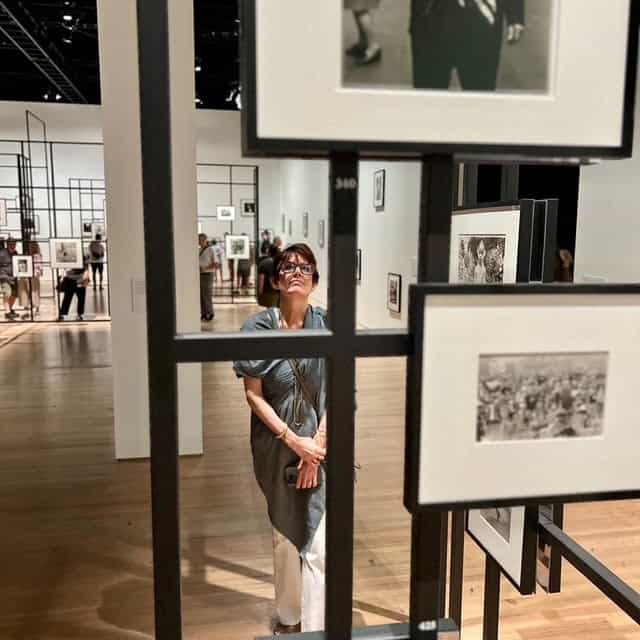
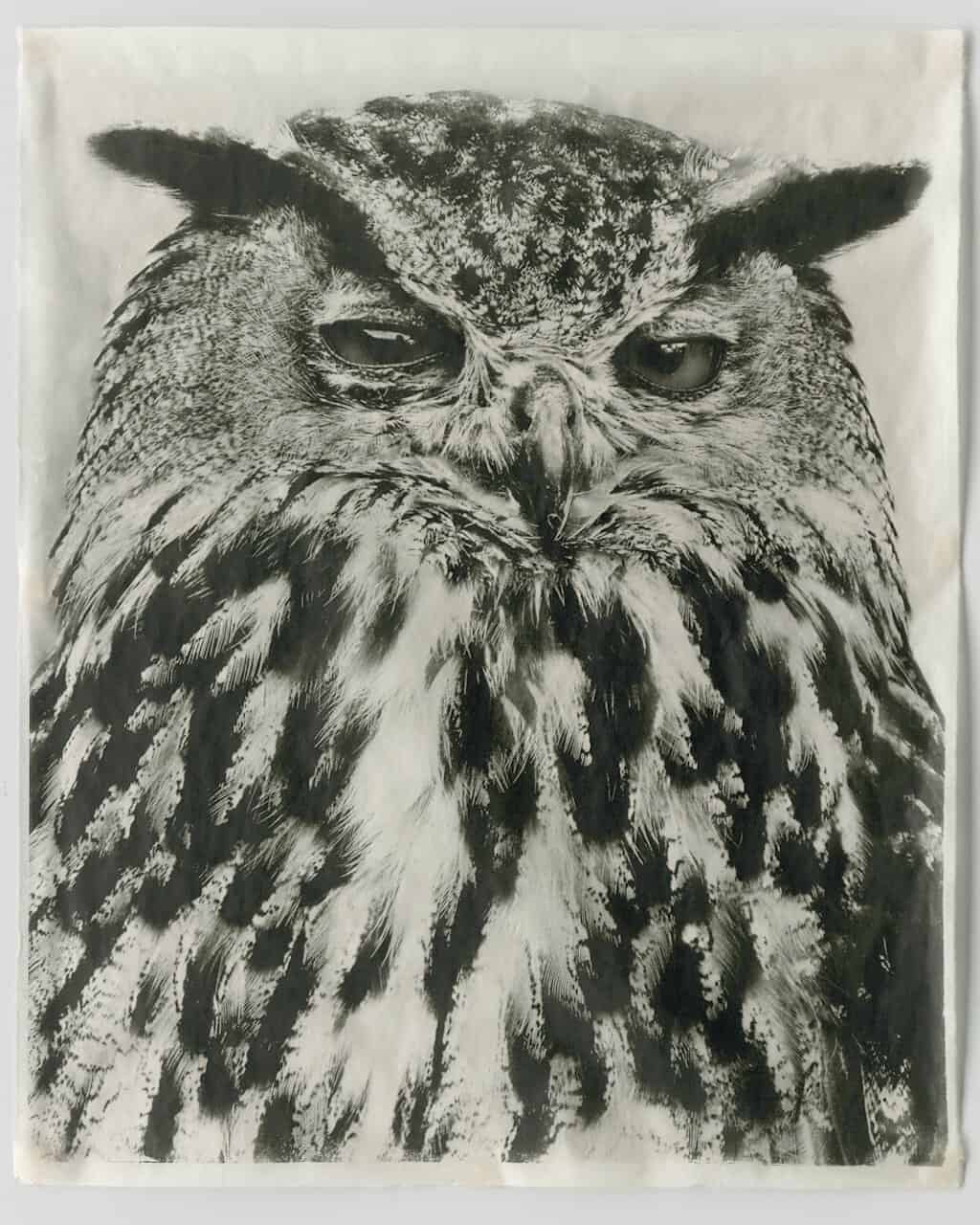
I transferred to Georgetown from an open curriculum in Europe, which initially felt stifling, especially being in a dorm. However, I soon found my feet off campus and loved being immersed in DC, with its numerous museums and research facilities, such as Dumbarton Oaks, and, of course, the National Mall, with its museums on my doorstep. Interning each summer in NYC galleries, I knew my calling. Studying photography, photogravure became my favorite, a wonderful medium that is also incredibly challenging.
After a wonderful eight years with Crown Point Press, I started at Marlborough Gallery, which was a fantastic experience, a vast gallery with multiple locations in Madrid, Barcelona, Santiago de Chile, London, and New York. Throughout my career, I have worked with some incredible artists, including John Cage, Claudio Bravo, Richard Estes, and Paula Rego, and it was a great privilege.
As Magdalena Abakanowicz said, “Art does not solve problems but makes us aware of their existence. It opens our eyes to see and brains and hearts to imagine.” However, at that time, the art world was predominantly male dominated, both in galleries and among artists. I started as the sales director of the gallery’s print department, and I slowly introduced more women into the roster and to the clients. Seton Smith, Anne Chu, Stacey Davidson, and Jean Pagliuso were a few of these artists, and it was such an honor to work with them.
It was an exciting time, joining artists with printers for editions and hosting their exhibitions. In the gallery, we were a tight team. I traveled to exciting museum fairs across both Europe and the West Coast to work with artists, building relationships and deep friendships that have lasted throughout my career. It is a thrilling moment when you can call an artist to tell them their work has been sold or accepted into a collection or museum. For the better-known artists, this was expected, but the newer or younger artists felt truly valued and often laughed back with gratitude and humility. These relationships are pivotal, from the first studio visit, when clients come to see the artist’s studio and hear the narrative behind the work.
Staying with Marlborough Gallery for 20 years was never dull. Saturdays were our busiest day, as everyone came to view art, as well as curating work for shows and fairs. It has been a gratifying career, thanks to all these connections and lifelong friendships with artists, peers, and clients. I cut my teeth on the vibrancy and grit of New York iCity.
I later worked at Mary Ryan/Ryan Lee Gallery for six years as director of sales, which I thoroughly enjoyed. Eventually, however, I realized it was time to step away from the gallery world, and I never looked back. I founded Kim Schmidt Fine Art in 2021, but its creation was a long time in the making.
 What was it about this area that prompted the move?
In 2013, Andre and I initially purchased, somewhat spontaneously, an old, restored farmhouse in Ancramdale and then moved to Millerton in 2017. We have been here largely full-time since the pandemic.
This area has always been rich in artists, and now that I am here, I feel part of the art world, with many friends who are curators, artists, or gallerists. I have witnessed the Wassaic Project evolve and grow, drawing many artists to this location to work, explore, and put the area on the map as a destination for art, as have multiple galleries that have added satellite spaces upstate. I have hosted annual pop-up shows at Furnace Art on Archive and hold salons in our apartment, typically twice a year. I am happy not to have a brick-and-mortar space, but I often acquire art for clients who have known me for a long time. I also show at various art fairs, such as the IFPDA Fair and Art on Paper.
Pulling together the Ukraine benefit show also put me in touch with many artists here. We managed to raise about half a million dollars with their help and generosity, as well as the support of many local community members, which was fantastic. Art can bring people and communities together for a cause and support so many people. All of this is made possible through the creative process.
Can you describe your experience in curating exhibitions or collections?
Pulling a print edition was always exciting for me. I just love being with the artists on press. Creating something for a print publication; selecting the artists; matching the project to the perfect medium; and choosing the inks, the papers, and the titles – it was magical. At a pre-digital time, a considerable team effort was required to complete this finished body of work and then work to find its home.
When a particular print came to market and you knew it would be a success and likely increase in value, it was exciting to see the fever the art generated.
I genuinely love the genesis behind the work, and it is essential to know that narrative. I believe being an artist is one of the most noble professions, as artists bring so much joy and awareness to the world we live in.
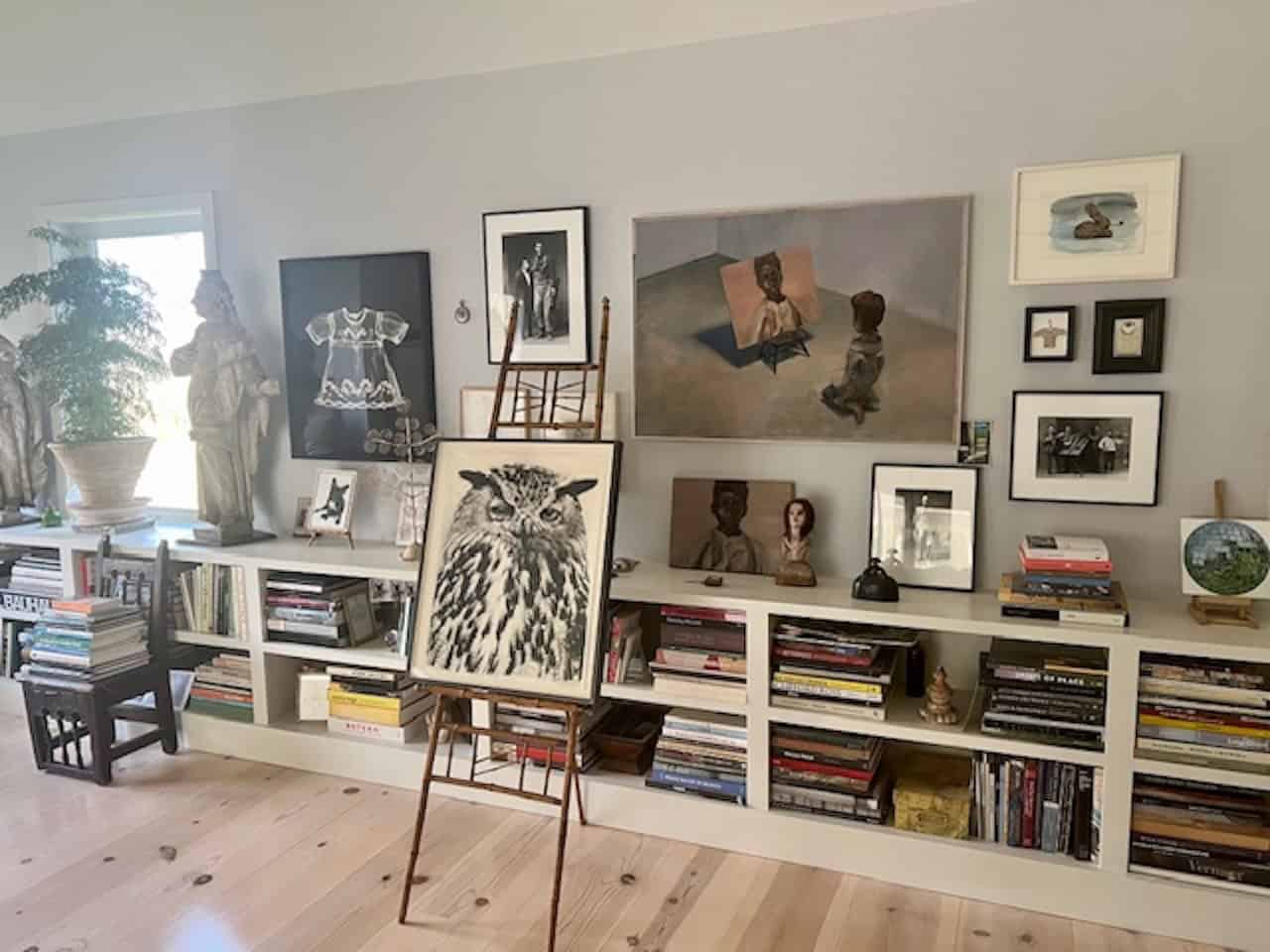
One of my favorite aspects of my work is installing art, whether for an exhibition, in a client’s home, or within my own space. I find it deeply rewarding to place objects in proximity and observe how they begin to speak to one another, how relationships and energy form between them. I’m particularly drawn to salon-style installations; there’s a sense of alchemy in watching the composition come to life before your eyes.
This love of installation naturally extends to my passion for curating exhibitions, fairs, and pop-ups. Over the past two years, I’ve had the pleasure of organizing two projects at Furnace Art on Paper, Kathleen Kucka’s space, which will be closing at the end of this year. Working on those exhibitions within our own community was a significant experience, an opportunity to connect artists, audiences, and places through shared visual dialogue.
What is the best piece of advice you were given regarding your curatorial practice?
I have had many wonderful mentors along the way, particularly Kathan Brown at Crown Point Press, with whom I worked for eight years. She recognized that we were the next generation in the art world and wanted to teach us how it was done. Above all, she valued the artist! It was not easy to make a mark in a male-dominated world, but the relationships I have formed have been my strongest allies. It is through the love of a piece of work that the work will sell, not necessarily its value. Living with what you love is essential and never to just ‘sell’ – know the story behind a body of work, see the artist, and build good relationships. It is teamwork. It is interesting; I have been involved in selling art throughout my entire career, but I have never been an aggressive salesperson. It was never about the numbers, and fortunately, this worked for me and is also why I would not open a physical space today.
What artists or writers inspire you, or have influenced your journey?
There are so many. I feel fortunate to have encountered countless artists, both historically through reading and studying and through personal connections made through shared meals, studio visits, travels, and exhibitions. Exposure to artists and their unique perspectives has always been essential to me, and in many ways, a career in the gallery world made sense and seemed like a natural path.
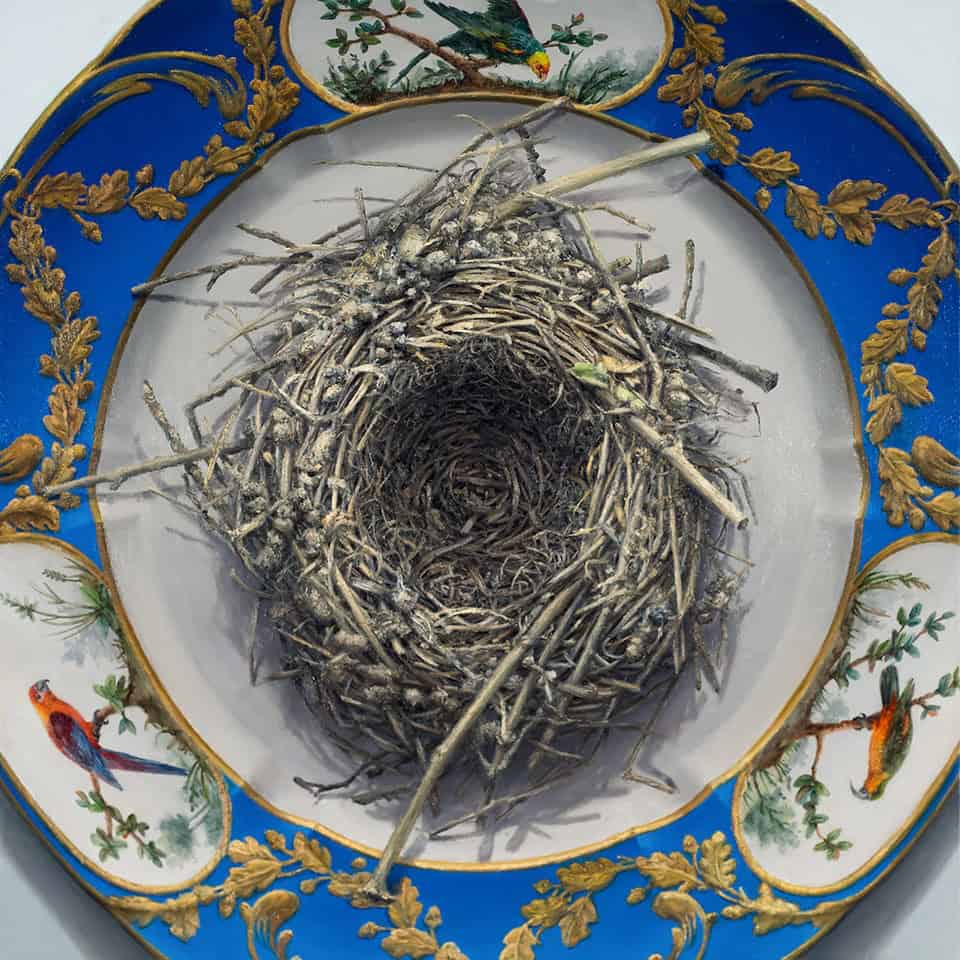
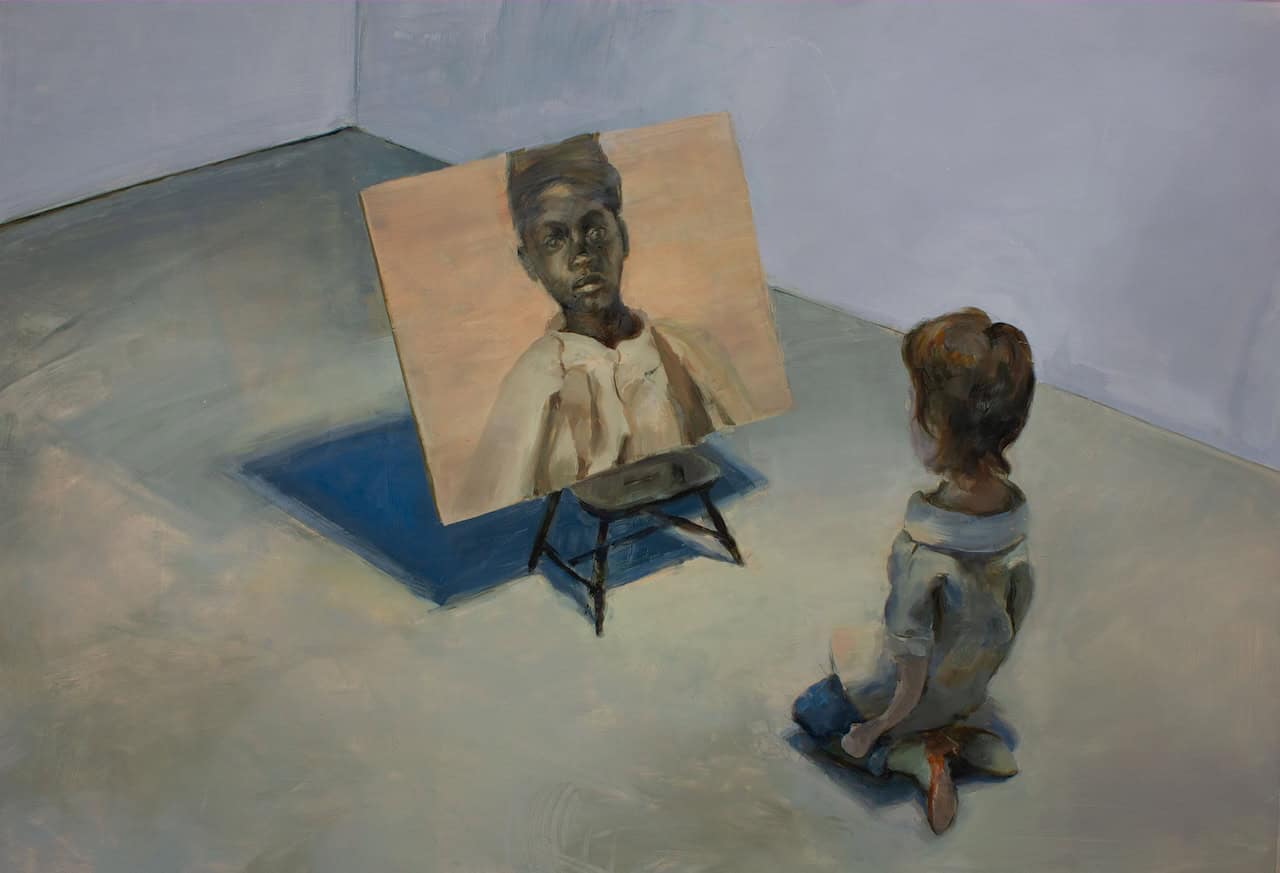
Clive Smith. Beak, Claw, Hand Brush (at one time they lived together) 2016. Oil on canvas. 24×24 inches.
I have many personal anecdotes to share from my years at Crown Point Press and Marlborough. It was a privilege to meet and build relationships with so many extraordinary artists and curators. I was often invited into their studios and homes, included in dinners and events, and able to witness their processes up close. These experiences shaped not only my understanding of art but also my sense of community. For me, there is no greater joy than placing an artist’s work in a collection where it will be genuinely valued and seen and help them in their journey. The life of an artist managing a studio practice and making excellent work is never easy: it can be isolating, uncertain, and financially precarious. I have had moments when notifying an artist of a sale, large or small, has meant they could pay their studio rent that month. That kind of connection and tangible impact is what continues to inspire me; it’s why I continue to do what I do.
I have also maintained a lifelong commitment to espousing women artists. From an early age, I was both fascinated and perplexed by the scarcity of women’s representation in the galleries and museums I visited. It didn’t make sense, and yet it was rarely discussed. Fortunately, that conversation has become more visible, and I am proud to play even a small part in helping women artists find their voices and audiences.
One of my most formative professional experiences was my time with Crown Point Press in New York City. The gallery’s gorgeous 3,000-square-foot space at 568 Broadway was alive with energy and creativity. Artists such as Pat Steir, Francesco Clemente, Judy Pfaff, and John Cage would visit regularly to proof and sign their new editions. Being part of that environment was extraordinary – I knew I was exactly where I was supposed to be, and I never tired of it. That kind of exposure and intimacy with the creative process feels rarer today, and I remain grateful to have experienced it firsthand.
My husband and I continue to collect and support work along these same lines, particularly focusing on women artists, among them Eve Biddle, Louise Bourgeois, Stacey Davidson, Tania Alvarez, Kathleen Kucka, Ghost of a Dream, Valerie Hammond, Jean Pagliuso, Paula Rego, Kiki Smith, and Sandy Skoglund, many of whom have become dear friends. Their work and their dedication to their practice continue to inspire me every day.
How do you stay updated on current trends and developments in the art world?
I stay engaged with art in NYC and worldwide, primarily walking through current exhibitions in person with colleagues and artists. These shared explorations often evolve into full-day itineraries, mapped out on See Saw, which combine studio visits, gallery tours, and informal discussions over meals, an essential part of how I absorb and exchange ideas.
Earlier in my career, when I worked in the gallery world, the exchange of ideas was constant. Writers, artists, and collectors frequently visited the gallery, and we maintained subscriptions to art magazines and journals, which kept us informed worldwide. The atmosphere in New York during the 1980s and 1990s was dynamic!
Now, in addition to in-person dialogue, I stay informed through several publications and podcasts, including Artnet, Art News, Modern Art Notes, and The Great Women Artists podcasts, which provide thoughtful insights into current conversations in contemporary art.
Do you have a project, series, or show you are most proud of?
It isn’t easy to pinpoint just one project, as each has held significance at different points in my career. However, two moments stand out as particularly meaningful. One was curating the photogravure exhibition during my time at Marlborough Gallery, a true highlight. I had long been fascinated by the medium of photogravure. I was both surprised and deeply grateful when I conceived the idea for this exhibition and was then entrusted with curating it. It presented an overview of the medium’s evolution from its historical origins to contemporary practice. The process, which unfolded over many months, was profoundly rewarding.
Grace Glueck’s exhibition review in The New York Times, titled “When Faster and Cheaper Is Not Necessarily Better,” remains one of my happiest professional memories. For a moment, upon reading the title, I feared it might be a critique, but it was instead a thoughtful and complimentary reflection on both the exhibition and the enduring quality of the medium I so admire.
Another recent highlight was assisting the McNay Art Museum in San Antonio, Texas, in acquiring Alice Aycock’s monumental sculpture, “Devil Whirls,” for their campus. I have deep ties to both the museum and the San Antonio arts community, and it was an honor to contribute to a project of such scale and significance. The entire process from site visits to installation was a collaborative and inspiring experience, and the work now occupies a prominent and dynamic place on the McNay Museum grounds.
What advice would you give an artist today?
Do not be too pushy in presenting your art; instead, be professional and proof, proof, proof! Use professional images with accurate data, and update and maintain your website. Know your work and where to properly showcase it so that it aligns with the gallery’s or dealer’s voice. Know who you are targeting, and most importantly, keep trying. Keep searching and always be curious. If you are interested in curating, I recommend applying for an internship and exploring the diverse fields that the art world has to offer. I loved mentoring my interns, and many went on to work within the art world in their own capacity. So much happens in this world, it is not just high heels and cocktails. I hang work, wield hammers, use spirit levels, work long days, and navigate between clients and artists. Most importantly, you need a sense of humor for the fairs and lots of stamina for longer days. Being able to work with the public is a valuable skill, which not everyone has developed.
Do you have a favorite show for 2025, or one you are most looking forward to in 2026?
Among recent exhibitions, several have left a strong impression. Noah Davis’s exhibit at the Barbican in London was a standout, profoundly moving and beautifully curated. We look forward to seeing it again when it travels to the United States. Laura Owens at Matthew Marks Gallery in New York was another of my favorites. Christopher Wool’s See Stop Run was both memorable and inventive, and the recent Giorgio Morandi exhibitions at both Mattia De Lucca and David Zwirner in New York offered quiet reflections on form and stillness.
Looking ahead, I am particularly anticipating the 61st Venice Biennale, titled “In Minor Keys,” in 2026. While Koyo Kouoh’s curatorial vision will be altered, we are hearing that it will still be her vision: “a tender response to a chaotic world.” I am eager to experience how that translates across national pavilions and practices. I plan to spend a week in Venice with close friends and artists, walking, cooking, looking, and learning together. I can hardly wait! •
To learn more about Kim Schmidt, you can visit her website kimschmidtfineart.com, email her at kimschmidtart@gmail.com, or find her onInstagram @kimschmidtart.
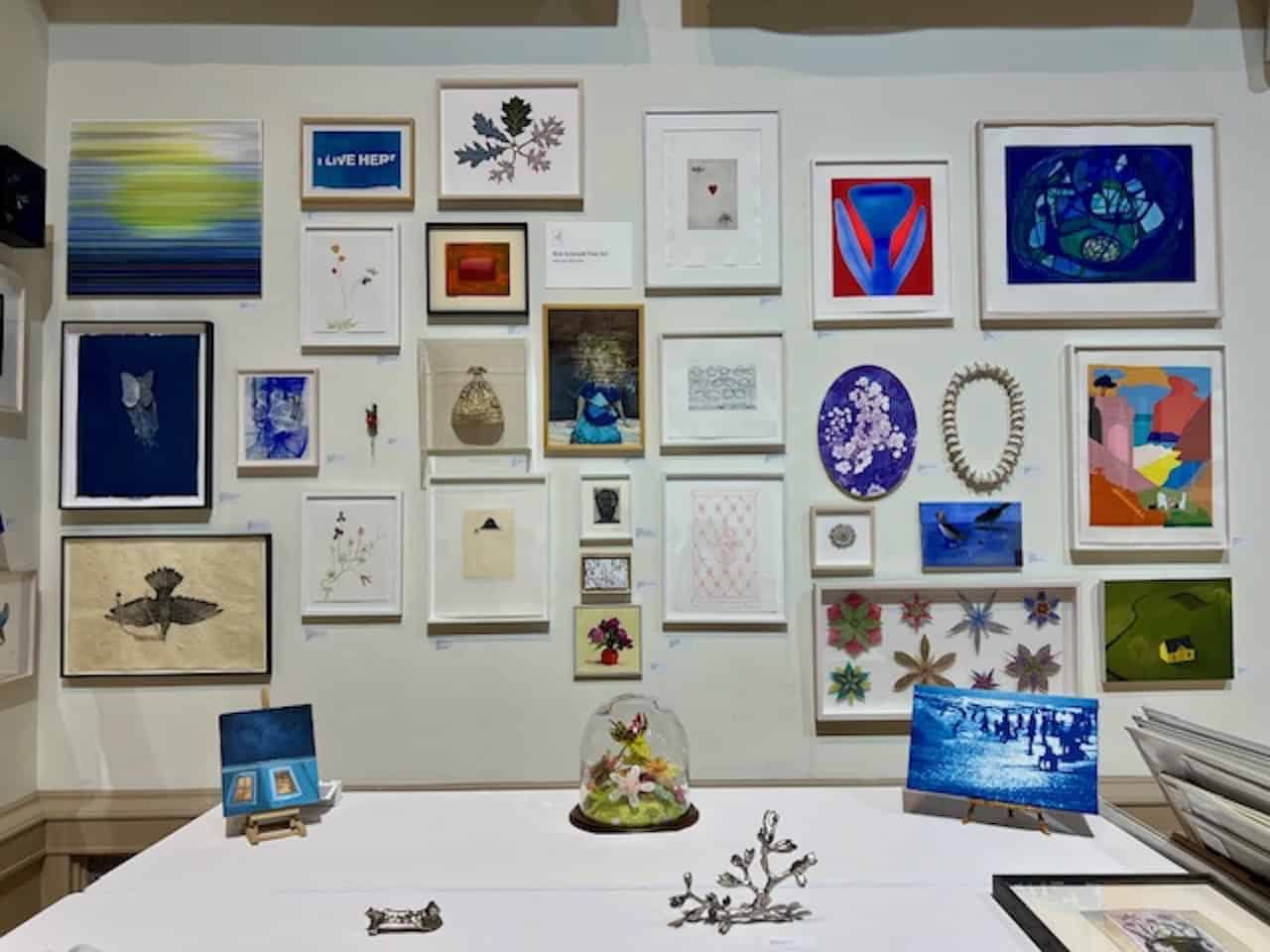
Above: Kim Schmidt booth at McNay Art Museum in San Antonio, TX.