
Real Estate
WHAT REAL ESTATE PROFESSIONALS EXPECT IN 2026
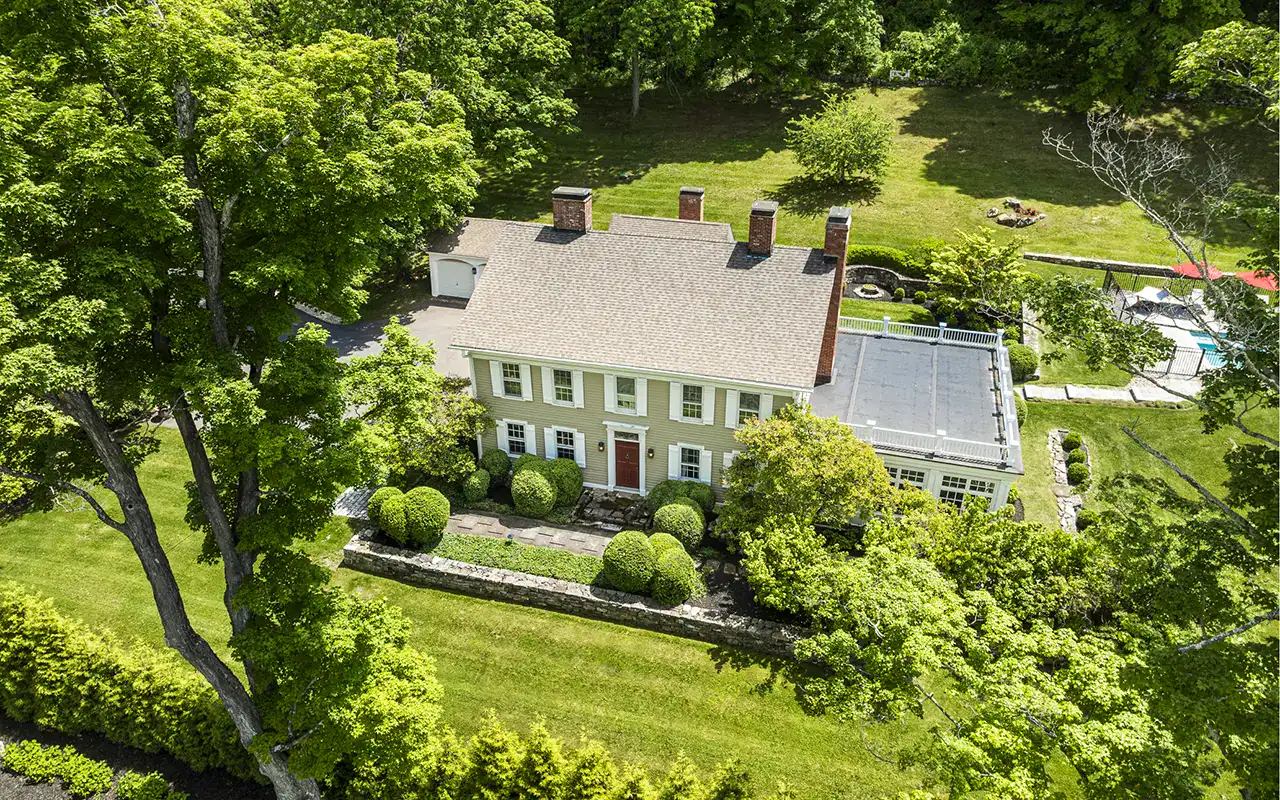
What do real estate professionals, economists, and bankers predict will happen to the housing market in 2026? The answer depends on geography. While national markets face uncertainty and correction with Sun belt markets seeing price corrections after years of explosive growth, the entire Northeast and Mid-Atlantic region is emerging as the exception characterized by continued high demand, price appreciation, and constrained supply. Goldman Sachs and other banks predict the Northeast will significantly outperform the rest of the country. Realtor.com foresees Hartford, CT as the hottest housing market in thr country for 2026 with significant combined growth in sales volume and prices, driven by buyer demand for affordability and value.
“It’s not just the relative value of our real estate that insulates our area from national trends. What truly sets this region apart is its widespread and growing appeal. Buyers from across the country and around the world are drawn to Connecticut, the Berkshires, and the Hudson Valley, not only for the real estate, but also for the lifestyle,” according to Elyse Harney Morris of Elyse Harney Real Estate. “Clean air, open space, vibrant small towns, cultural richness, and the ability to enjoy all four seasons continue to distinguish the Tri-State region. In 2026, there are real opportunities in the real estate market – particularly for well-priced homes in desirable locations. With accessibility to New York City and Boston, ease of travel to nearby airports, and strong year-round livability, the Tri-State region continues to attract new buyers seeking both lifestyle and long-term value.”
The mortgage rate factor
Most economists project the 30-year fixed mortgage rate to average around 6.1% to 6.3% in 2026. “Mortgages will be a critical factor influencing buyer behavior, as lower rates translate into stronger purchasing power, but they are just as critical for sellers,” observed Paul Breunich, Chairman and CEO of William Pitt – Julia B Fee Sotheby’s International Realty. “As mortgage rates course ever further downward, more and more homeowners will feel better about entering the market. Far from the peaks that neared 8% in 2023, the average 30-year fixed rate mortgage has dropped to its lowest point in three years, dipping to 6.15% at the end of 2025 according to Freddie Mac. We are predicting that mortgages will fall below 6% by the middle of this year.”
This prediction is particularly significant for homeowners who secured mortgages of 2.5% to 4% during COVID. As rates drift downward to 6% and potentially below, the pain of relocating diminishes, and the inventory of houses for sale will increase.
The new plateau
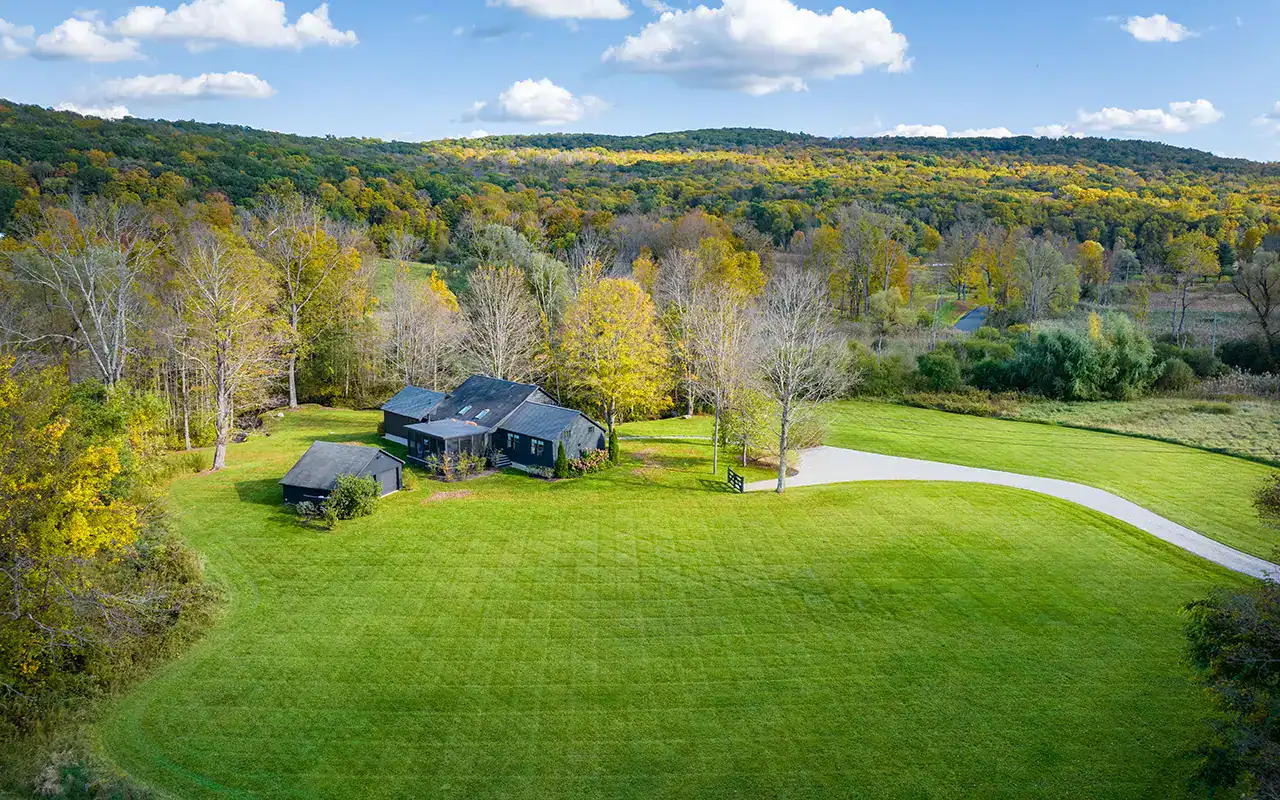
But what about our rural, less densely populated market? Some real estate agents are reluctant to be quoted, saying “markets will remain unpredictable” given the broader economic uncertainties, geopolitical tensions, and unexpected shocks to consumer confidence. Others, like Morris, are decidedly positive and more than willing to go on the record. “As we look ahead to 2026, the Tri-State market – Connecticut, Massachusetts, and New York – remains resilient and well-positioned. With the stock market at an all-time high, interest rates easing, and inventory remaining limited, buyer confidence is returning. Homes that offer quality, setting, and long-term value are seeing thoughtful and motivated demand. Historically, spring is the most active season, and we anticipate a strong spring market as new inventory comes online.”
Overall the outlook for the Tri County region is for steady appreciation of 3% to 5% above 2025 levels, unlike national markets, which are seeing price corrections, especially in the south and southwest.
Limited inventory will continue to be challenging for buyers and well-priced, attractive homes will go under contract in less than 30 days. “As regards the real estate outlook in the region for 2026,” sums up Anne Stettner of Neil Charles Real Estate, “I anticipate that we will continue to have more buyers than we have inventory, at least on the lower end and the middle of the market. Sellers are hesitant to sell as many have lower interest rates on their existing mortgages and don’t want to take a hit by selling and then having to buy at a higher interest rate. That coupled with capital gains taxes takes away a lot of incentive for people to sell.”
Hyperlocal trends
Drilling down to specific towns reveals fascinating micro-trends that offer a more nuanced picture of our region. The general forecast for northeastern Dutchess County and northwestern Litchfield County is for stabilization at historically high price points. In 2026 the greatest median price increases may occur in the most affordable towns like North Canaan, CT where the median price rose in 2025 to $340,000 or Pine Plains, NY which rose 46% over 2024. These affordable markets are benefiting from the substitution effect as buyers are priced out of towns like Salisbury and Millbrook; they expand their radius and discover communities with more accessible price points. For example, buyers who could not afford Rhinebeck, NY where the median price rose only 0.7% to $790,000 in 2025, might move to Amenia, NY where the median price rose 10.4% to $387,500.
While lower than their 2023–2024 interest peaks, the combination of high prices and 6% rates will continue to challenge local first-time buyers. “The local real estate market is shifting as rising costs squeeze 30-to-40-year-old buyers, the primary demographic for housing,” said Brad Rebillard of Dutchess County Realty. “In particular, soaring health insurance premiums have significantly eroded their purchasing power. Concurrently, inventory remains suppressed, largely because homeowners are reluctant to trade in their current record-low mortgage rates. 2026 is poised to be a pivotal year; a combination of lower interest rates and health insurance reform will be essential to restoring local affordability.” Rebillard’s observation about health insurance highlights how housing affordability isn’t purely about mortgage rates and home prices. Monthly budgets must include health insurance premiums, which have increased dramatically, along with higher prices at the grocery store and everywhere else.
Return to rational pricing
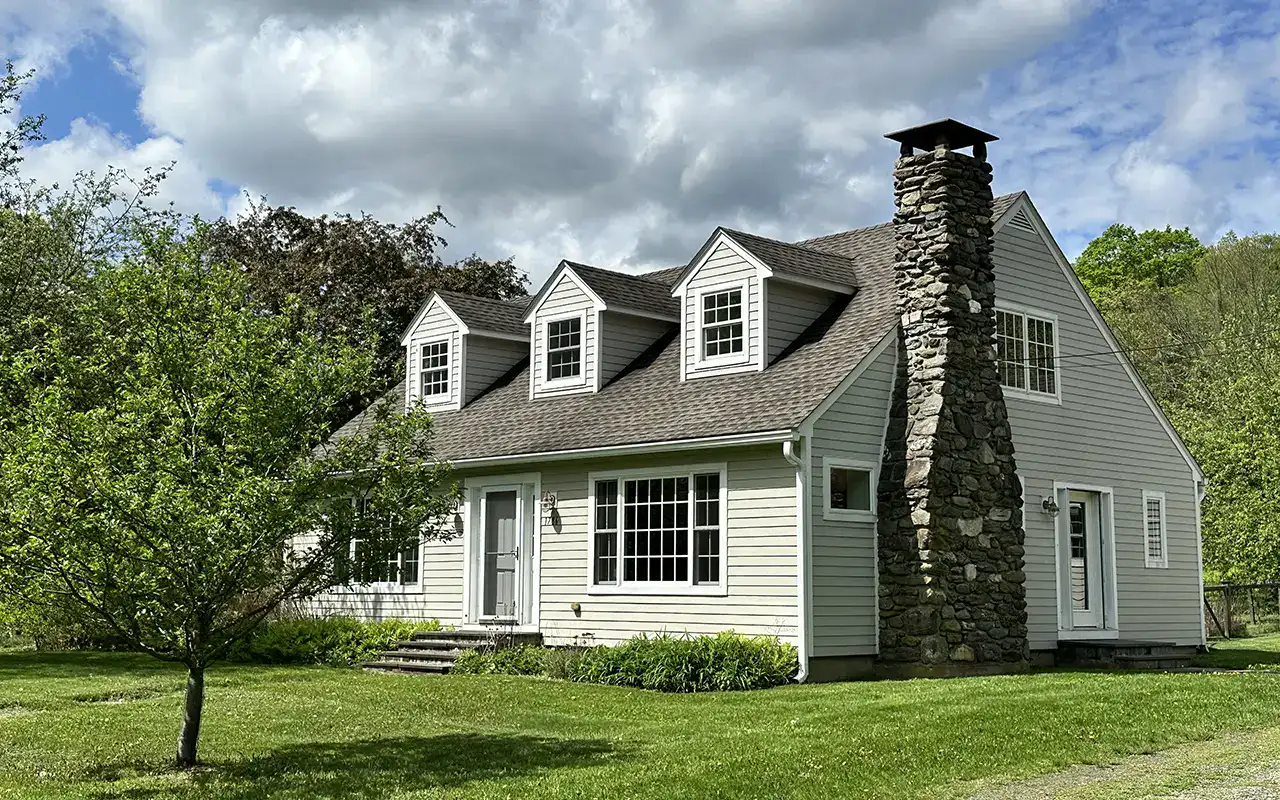
Strategic, sensible pricing will continue to be critical in a market with greater balance between buyers and sellers. The bidding wars, offers over asking prices, waived inspections, escalation clauses, and emotional decisions of the past few years will diminish in 2026; however, most properties will continue to close within 5% of their asking price. Sellers who overprice based on optimistic comps or irrational assessment of their home’s value will find their homes lingering on the market with a reduced price and few lookers.
Fixer upper value gap will continue
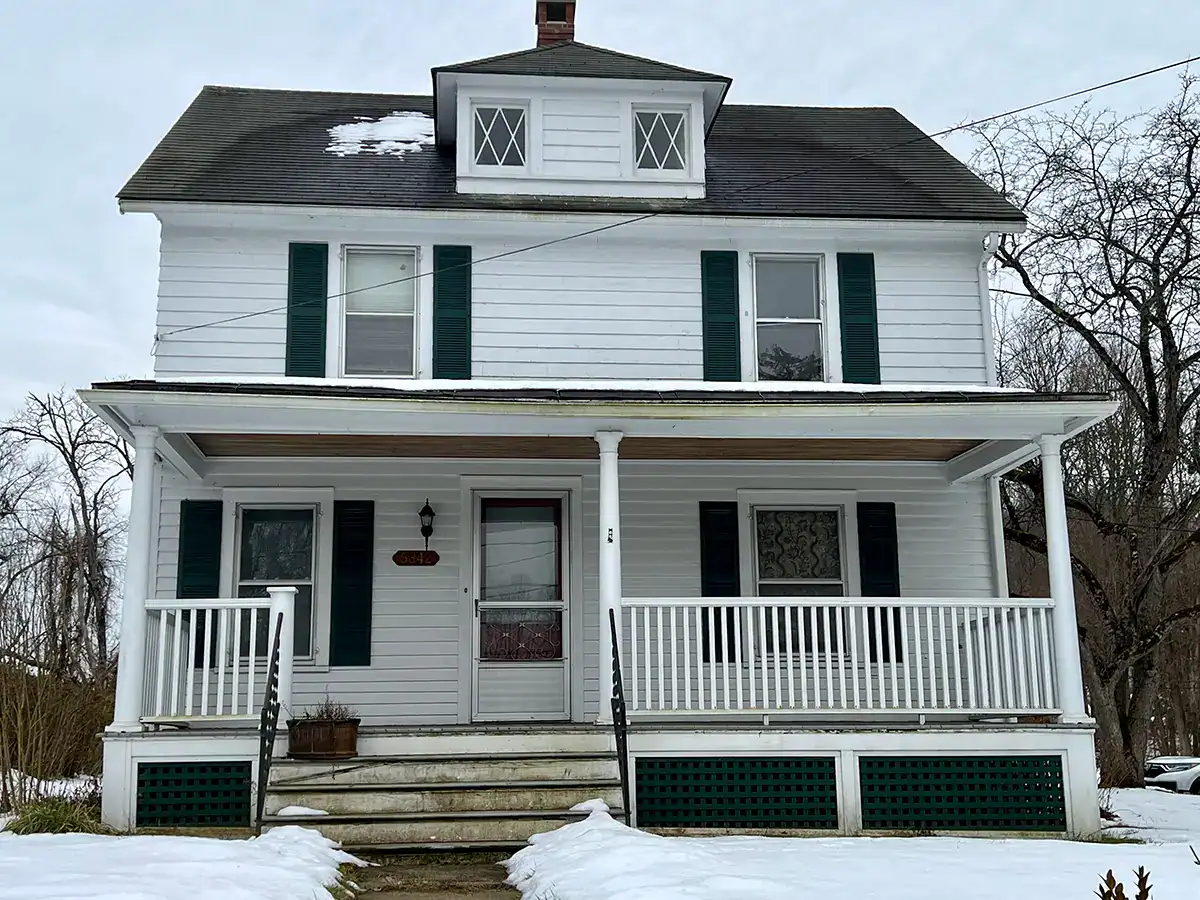
The generation of HGTV millennial buyers will continue to demand homes that are ready to move into and require no renovation. Years of watching property transformations on television have made buyers both more design savvy and less willing to renovate themselves. The premium buyers are willing to pay on homes where the kitchens and bathrooms are professionally renovated is growing wider while fixer uppers are closing at bigger discounts, primarily to flippers. The appeal of redoing an old farm house has disappeared.
Tri-corner fundamentals unchanged for 2026
Our real estate markets are slow to respond to dramatic or traumatic events, like the black swans of 9/11, the Great Recession, and COVID. No one can predict these events or even whether their impact will be positive for local real estate, as 9/11 and COVID were, or negative. While many offer predictions, a famous quote by Peter Lynch emphasizes the futility of forecasting: “Nobody can predict interest rates, the future direction of the economy, or the stock market. Dismiss all such forecasts and concentrate on what’s actually happening to the companies in which you’ve invested.” This applies especially to buying or selling real estate. The fundamental drivers of the tri-corner market – limited land, strong lifestyle appeal, proximity to a major metro area, constrained supply, and steady demand will contain to anchor the residential real estate market in 2026. •