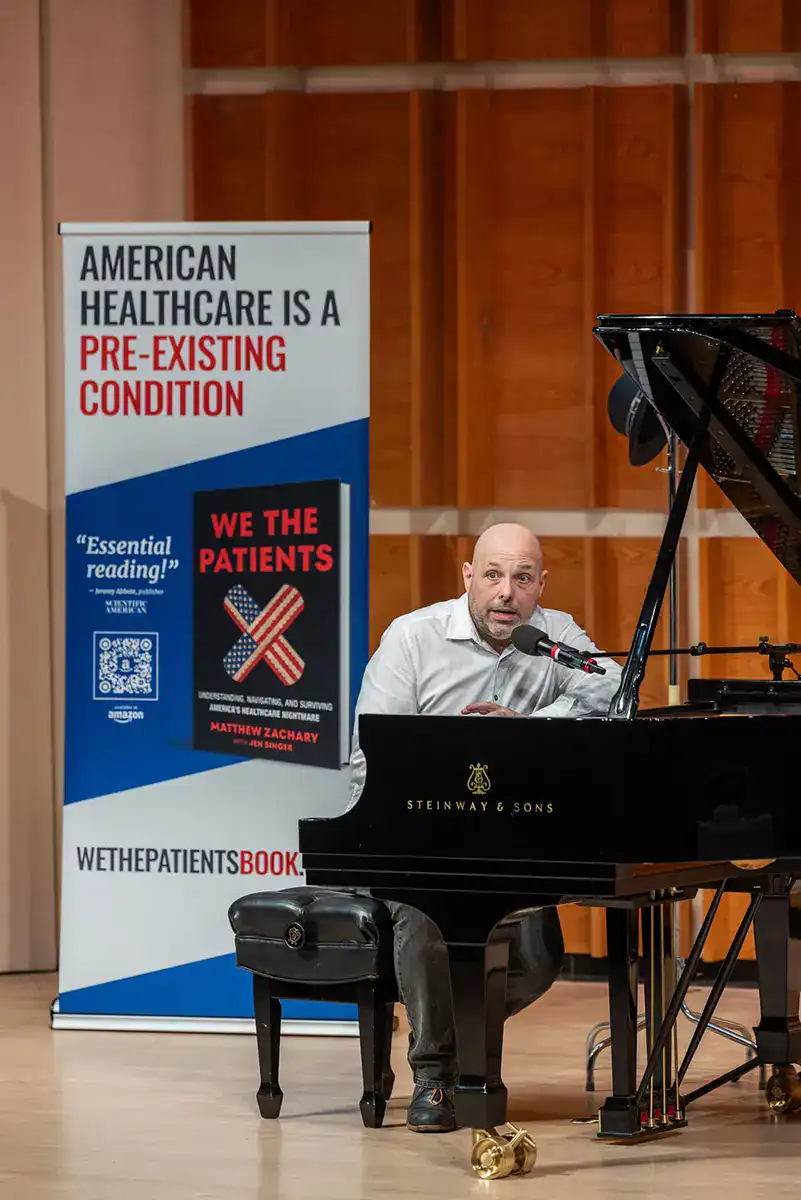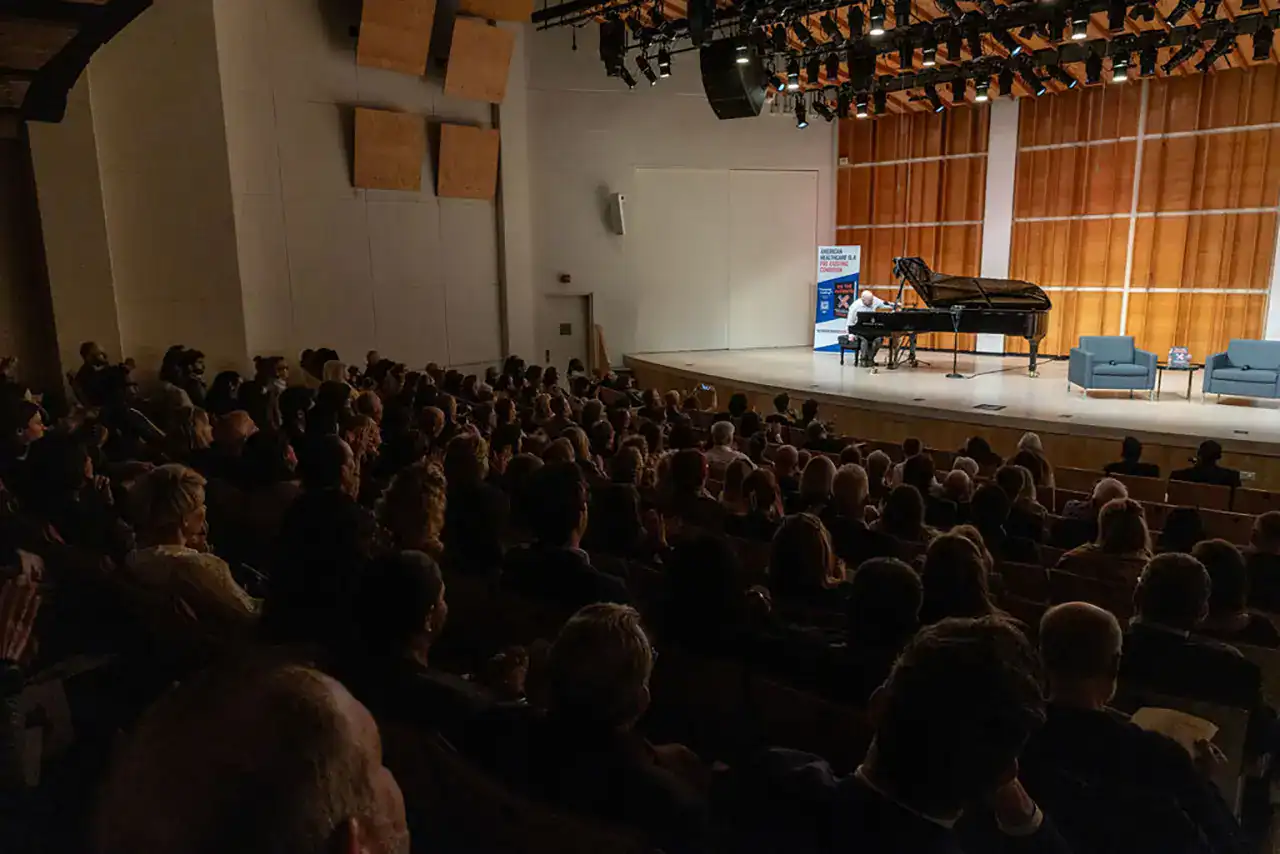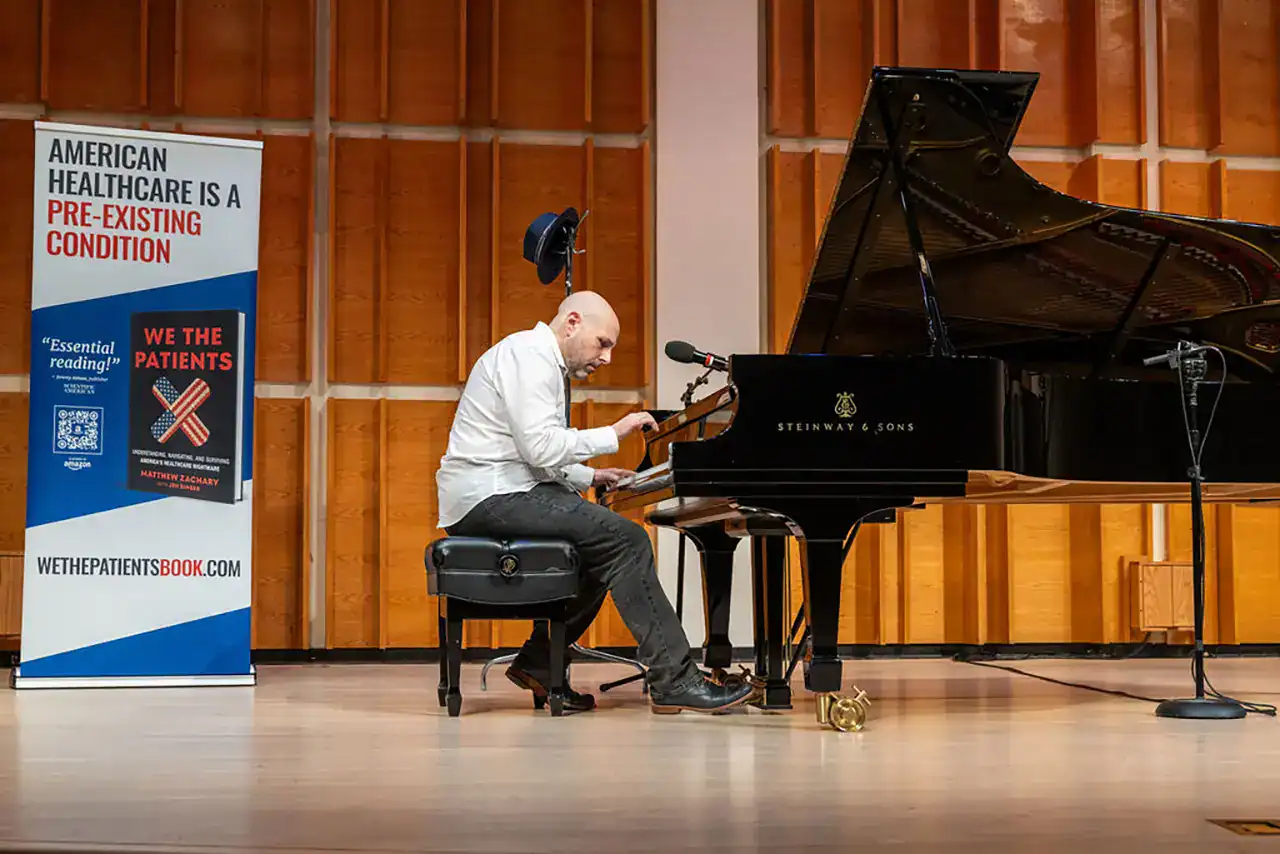
After more than two decades, music man Matthew Zachary returned to the stage for a concert-level piano performance at Merkin Hall in Manhattan. On April 28, 2026, he shared his talent along with his vision for a better healthcare system for the American people.
While most of Zachary’s peers were pursuing their dreams, exploring, and having their fair share of fun, he battled brain cancer. He was only 21 years old at the time of diagnosis.
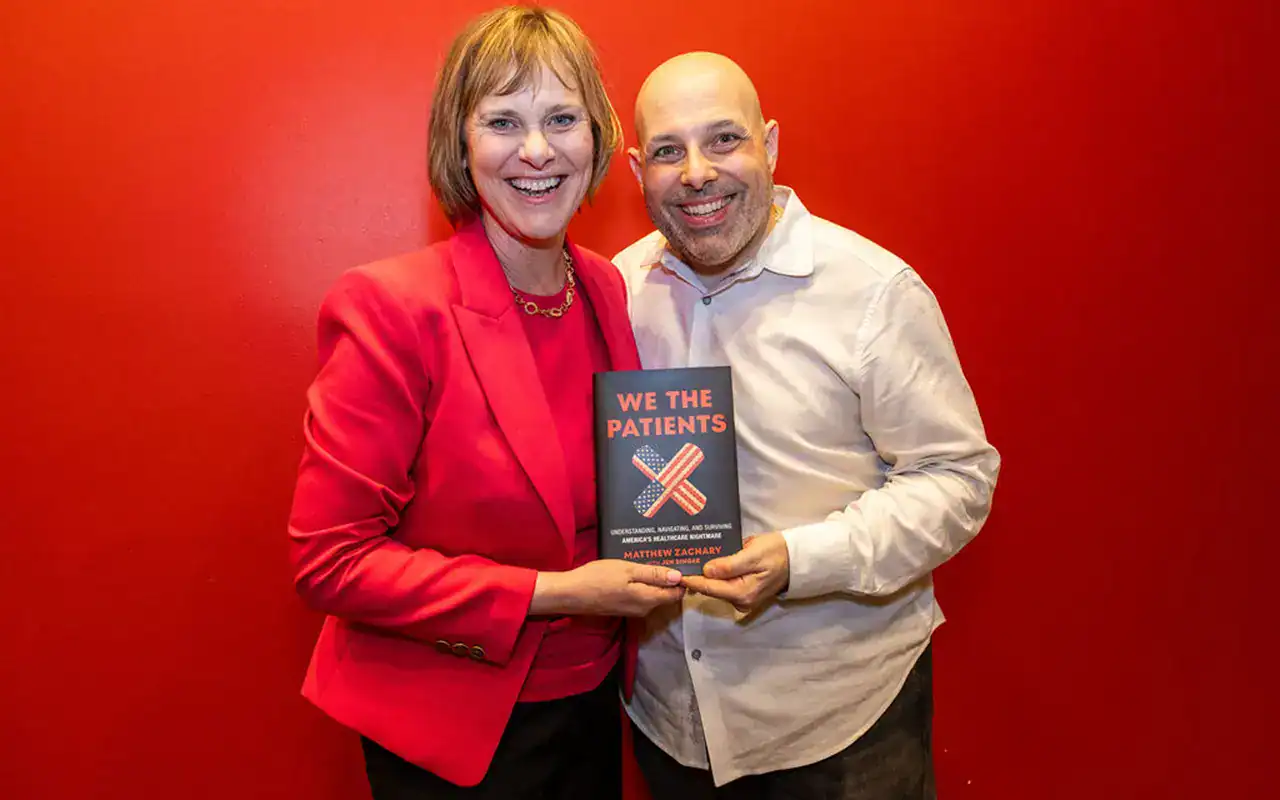
“Brain cancer at age 21 permanently changed my relationship with time. I try to treat every year above ground as borrowed time and use it well. During midlife crises, some people buy sports cars. I built a patient movement, wrote We the Patients: Understanding, Navigating, and Surviving America’s Healthcare Nightmare, and relearned how to play piano after treatment damaged my hands,” said cancer survivor Matthew Zachary, a musician, author, and patient advocate.
Zachary is also the host of Out of Patients, the longest-running healthcare podcast in America. His candid conversations with leaders across medicine, policy, and culture have helped shape a more human-centered dialogue. His insights also informed his book, which was released May 19, 2026, by John Wiley & Sons. We the Patients is available at Barnes & Noble, Thrift Books, Bookshop.org, Amazon, and beyond; it retails for $30.
We the Patients examines the American healthcare system through the lens of survival, policy, economics, media, and lived experience. “I wrote it for patients, caregivers, clinicians, policymakers, and anyone who has ever screamed into a phone while arguing with an insurance company representative reading from a script in a windowless office park somewhere in America,” said Zachary.
Music Minded
Much like the disease he spent years battling both physically and emotionally, music also accidentally found its way into Zachary’s life. “I came home from school one day and found my mother playing piano in the living room. I asked where to put my fingers and something clicked.”
Within weeks, Zachary began taking formal lessons with a Juilliard trained teacher. By the time he reached high school, he was playing jazz gigs, performing in theater productions, and working as a rehearsal pianist for nearly every arts group at Binghamton University.
When Zachary was diagnosed, naturally everything changed. Although treatment nearly ended the pianist’s ability to play, he was eventually drawn back to the arts. “At this point, playing piano feels less like performance and more like proof of life,” he said.
Zachary’s return to music happened when he learned to embrace all the parts of himself. “For years I focused almost entirely on advocacy, healthcare reform, media, and building organizations like Stupid Cancer and We the Patients. Music sat in the background waiting for me to come back to it. When my daughter started taking piano lessons, something woke up in me.”
A Milestone
While writing the book, Zachary realized that he wanted the launch to feel human and personal rather than like another stiff healthcare event. He practiced daily for six months and organized a solo concert around the book launch. It brought everything full circle.
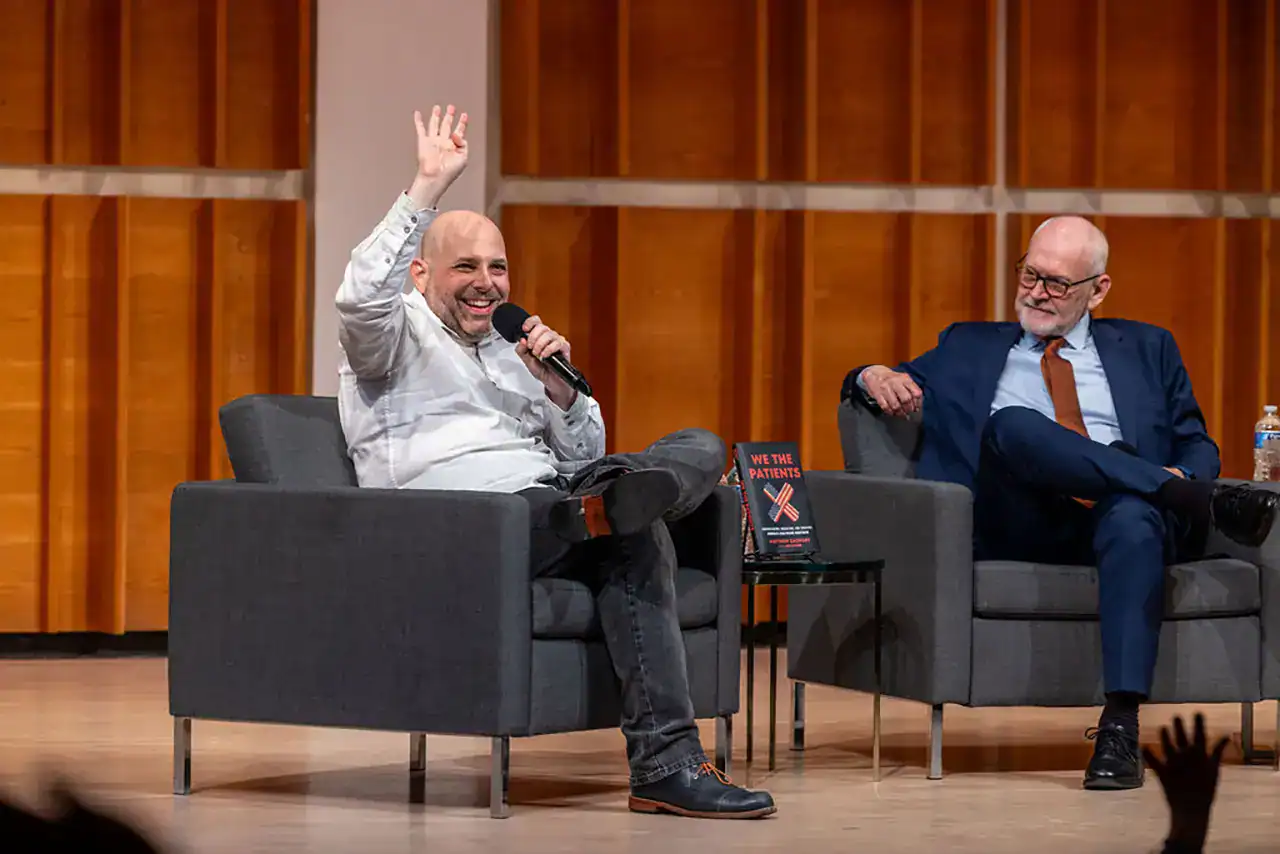
The pianist marked 30 years since his diagnosis with a one-night event, “Matthew Zachary: Live At Merkin Hall,” which merged music with personal storytelling, theater, advocacy, and a direct challenge to the failures of the American healthcare system. He was joined on stage by Jen Stein, a bestselling author, and survivor of cancer, COVID, and heart failure. Former health insurance executive-turned-healthcare reform whistleblower Wendell Potter joined them.
The concert became a way to connect every part of his life into one experience. “I wrote my book about the American healthcare system, survivorship, insurance abuse, policy, and patient rights, but I also wanted people to understand the human behind those ideas. Music helped me tell that story in a way a podium never could,” said Zachary.
He then invited a group of friends, physicians, advocates, survivors, and leaders from the cancer world to join him on stage to read excerpts from the book and share some of their own experiences. “It felt collaborative and personal instead of transactional. That was important to me,” said Zachary.
During the event, Zachary also called for the formation of a 19 million-strong cancer patient voting bloc aimed at challenging insurance industry abuse and transforming patient frustration into collective political power.
Applause
The audience reaction was overwhelming. “People told me they had never attended anything quite like it before,” said Zachary who was joined on stage by his childhood best friend who spoke about his experience witnessing Zachary battle brain cancer.
A standing ovation followed the event. “The audience connected to something real instead of another polished industry production. People hugged, cried, laughed, posted nonstop, and stayed long after the program ended just talking with one another. I think it succeeded because it felt honest,” revealed Zachary.
He is currently dedicating his time to keynote speaking engagements and growing We the Patients nationally. Other plans include launching a multi city We the Patients tour later this year through 2027.
“I want to bring conversations about healthcare, survivorship, advocacy, and civic engagement directly to communities nationwide instead of keeping them trapped inside conference centers and policy meetings,” said Zachary.
Zachary’s mission centers on exposing how health insurance companies gained enormous control over whether Americans live, die, go bankrupt, or get timely care.
“I just came back from the ASCO Annual Meeting, an oncology conference where everyone celebrated remarkable advances in cancer treatment, but the reality is brutal. A breakthrough drug means very little if patients cannot afford it or insurers refuse to approve it. That disconnect drives me. Through my podcast, my book, and We the Patients, I want to organize patients and caregivers into an actual civic force with political influence. Patients remain one of the largest unorganized constituencies in America even though almost every family eventually collides with the healthcare system,” he said.