Real Estate
It Takes a Village: Revival in Philmont, NY
Ten years ago, Main Street Magazine mentioned the Village of Philmont in Columbia County, NY, in an article about the Town of Claverack. Philmont was then described as the “forgotten village coming back to life with ambitious plans to revitalize its reservoir and industrial history.” The plans are ambitious, and progress is moving ahead.
The Village of Philmont developed in the 19th century based on water power generated by the Agawamuck Creek. Wool, hosiery, and straw paper industrial mills were the thriving community’s economic backbone until the 1950s when the mills moved south and the Philmont economy declined. In 1873, an estimated 3,671 residents represented two-thirds of the entire population of the Town of Claverack. Recent estimates place the current village population at 1,450 – up from the 2020 census of 1,377 due to the influx of urban migrants, especially creatives, attracted to very affordable housing.
Philmont has long moved past its old nickname of “Filthmont.” The elegant Vanderbilt Lakeside, built by Cornelius Vanderbilt in 1863 as a railroad hotel, operates as a boutique event space. The nonprofit Philmont Beautification Inc., known as BPI, helped establish fine dining at Local 111 in an abandoned service garage and a co-op grocery store with a commercial kitchen, locally grown food, and a café. The Hudson Valley Rail Trail is planning an extension into the village.
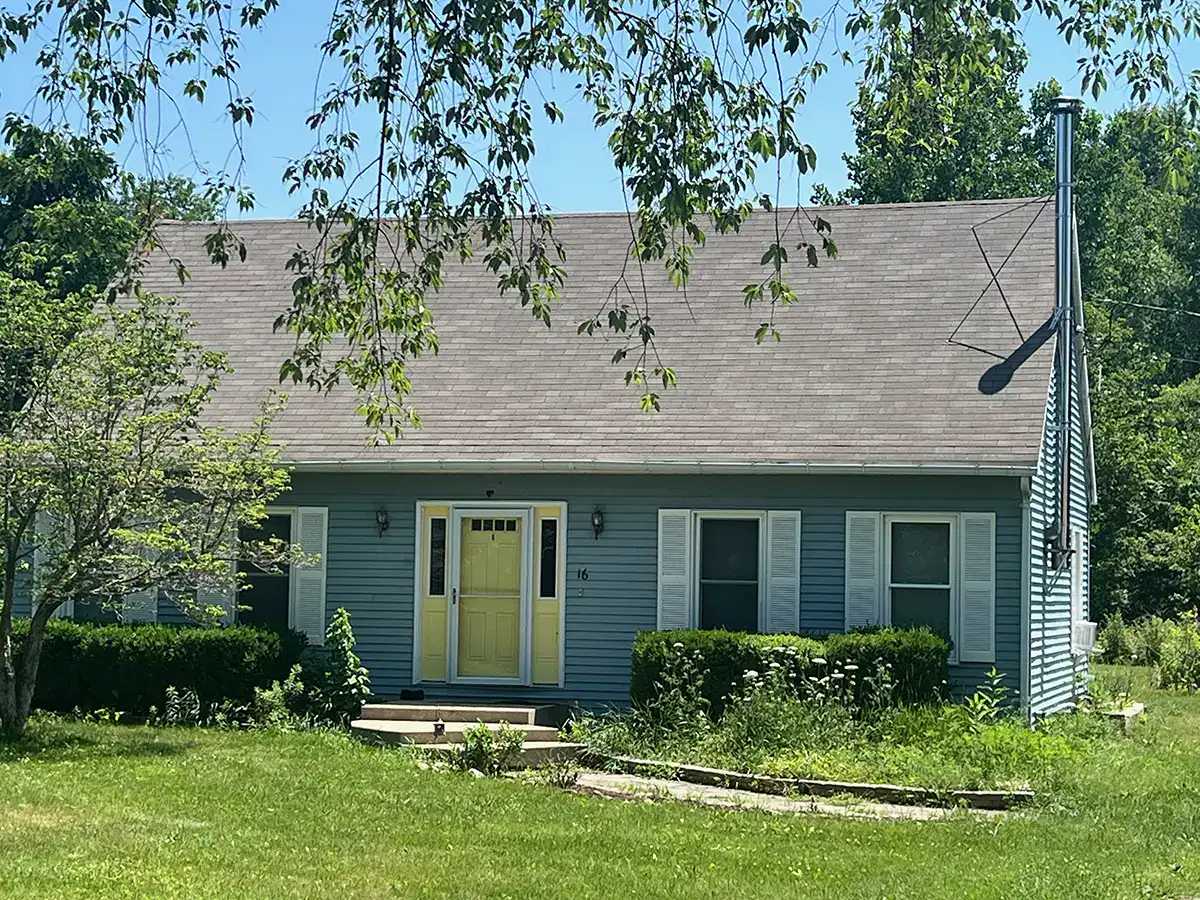
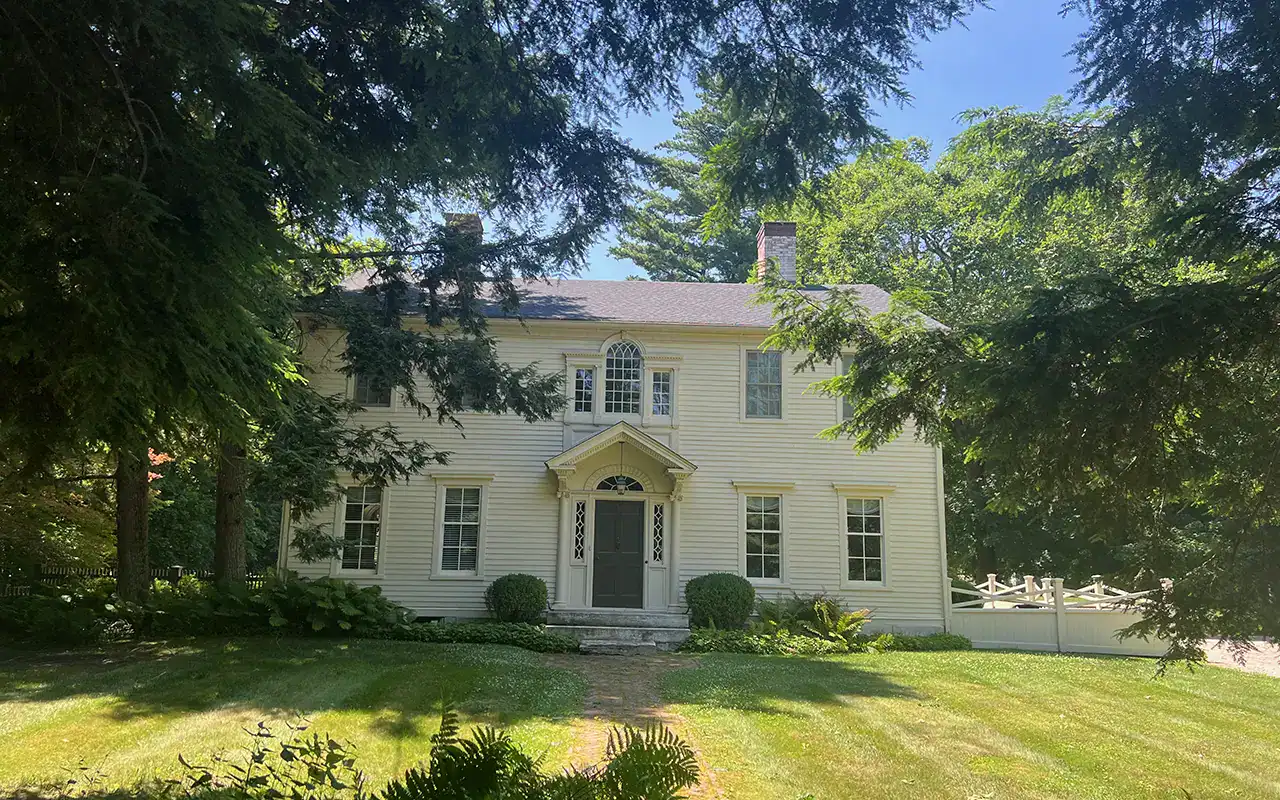
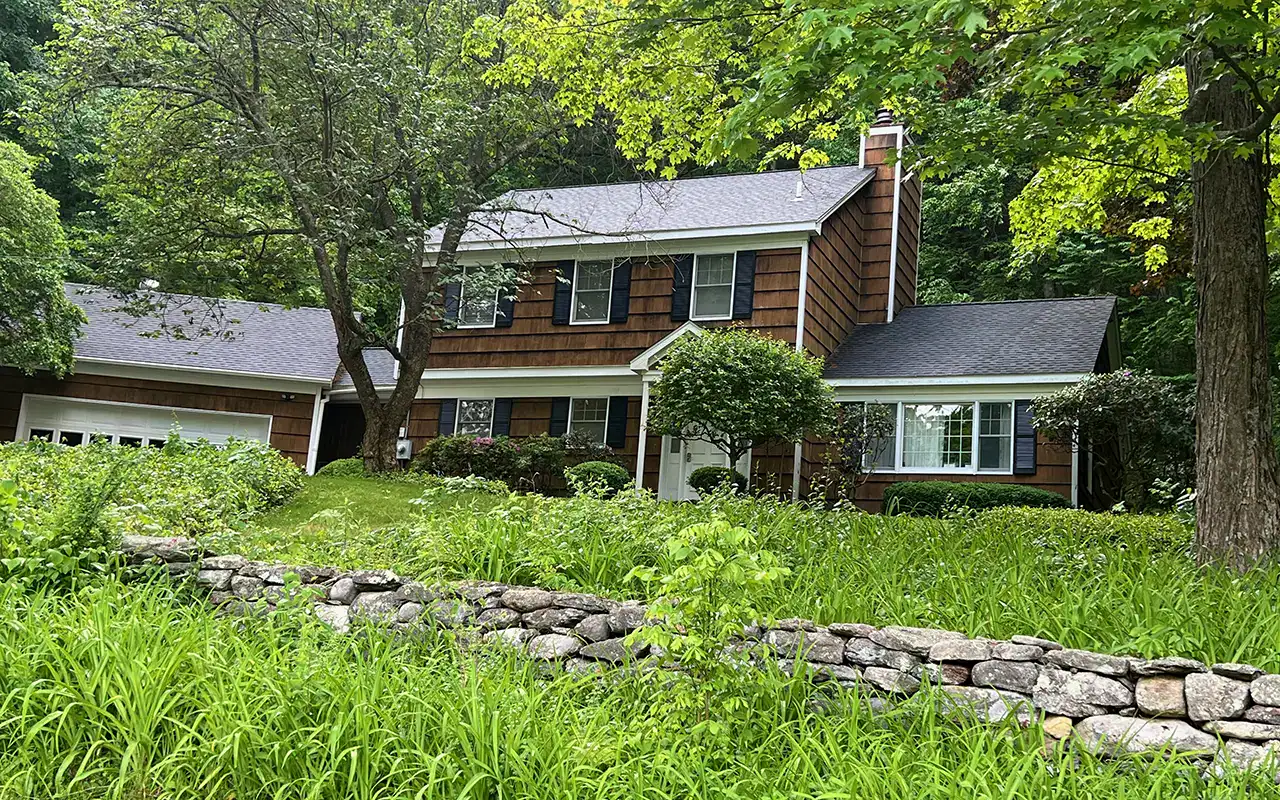
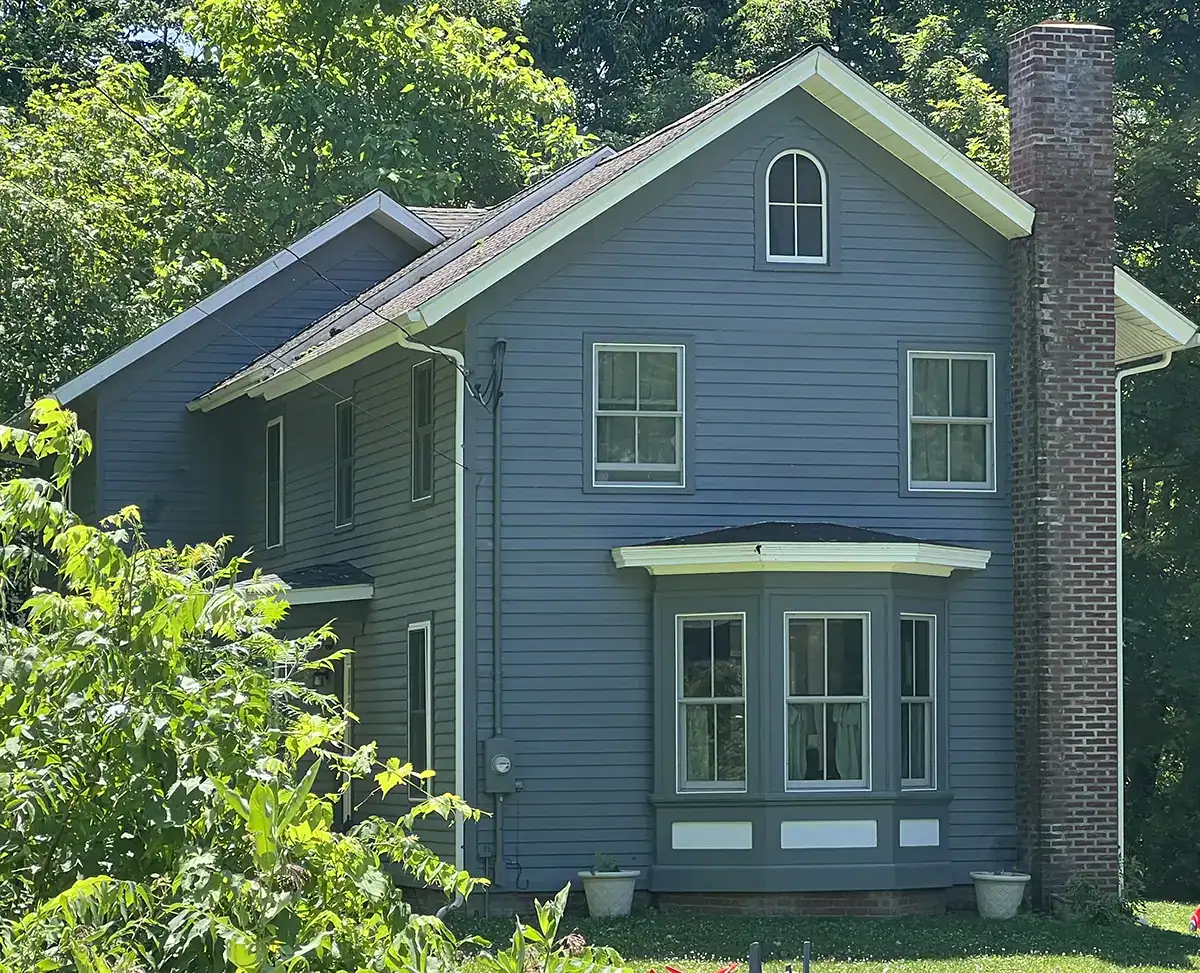
Over the past six years, the Village of Philmont’s real estate market has been transformed gradually, while staying affordable with median home prices remaining in the mid to low $300,000s. The Village continues to balance newcomers and rising home values with community needs, infrastructure pressures, and the ongoing challenge of maintaining an aging historic housing stock.
Added to this mix is increasing income disparity. According to the US Census Bureau, Philmont’s median household income stands at $56,563, while average income is much higher at $91,330. This gap between the median and the average income points to the impact of affluent out-of-town buyers. The Village continues to have a 21.6% poverty rate, substantially higher than that 12% rate of all of Columbia County.
Still affordable with median prices under $350,000
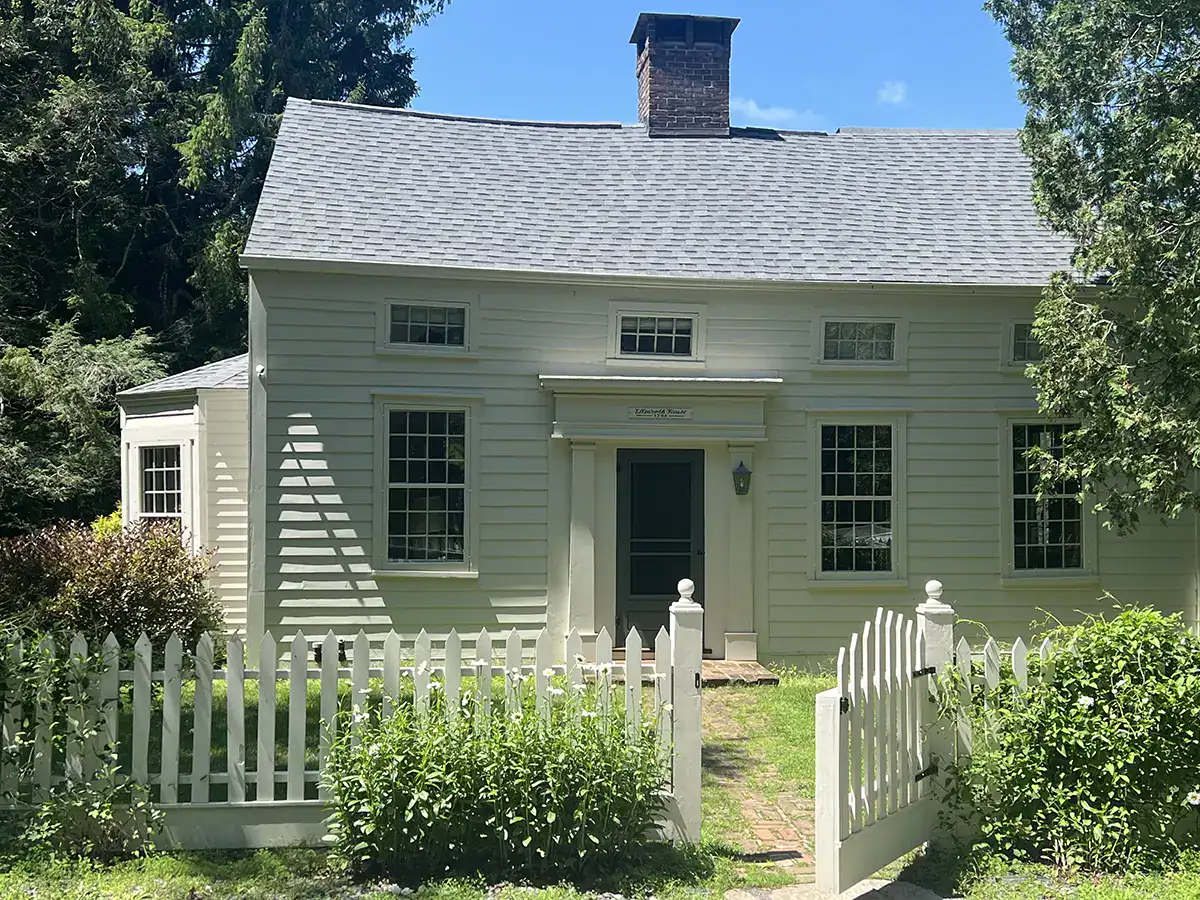
When everything shifted during COVID in 2020 and 2021, the ripples did not spread immediately to the secluded, historic mill town of Philmont. Nestled in Columbia County just down the road from the City of Hudson, Philmont has long retained a quiet, caught-in-time character. Its empty storefronts, 19th century Victorian homes on winding side streets, and industrial skeletons still hint at its prosperous manufacturing past. But the post-pandemic working-remotely exodus combined with holistic community-based development efforts are gradually changing the feel of the Village and promise a brighter future.
Adventurous buyers from the New York City region and the broader tri-state area looked beyond the gentrified roads of the Hudson Valley and discovered Philmont with character, community, and low price-per-square-foot real estate. As home prices rose everywhere, Philmont became an alternative. By 2022 and 2023, the median home value across the region began a steep climb, eventually pushing up home prices in Philmont above $300,000 for the first time by 2024. Even more noticeable is the increase in prices at the top of the market, from a low of $360,000 in 2020 to almost $1,000,000.
Homes that have sold and resold
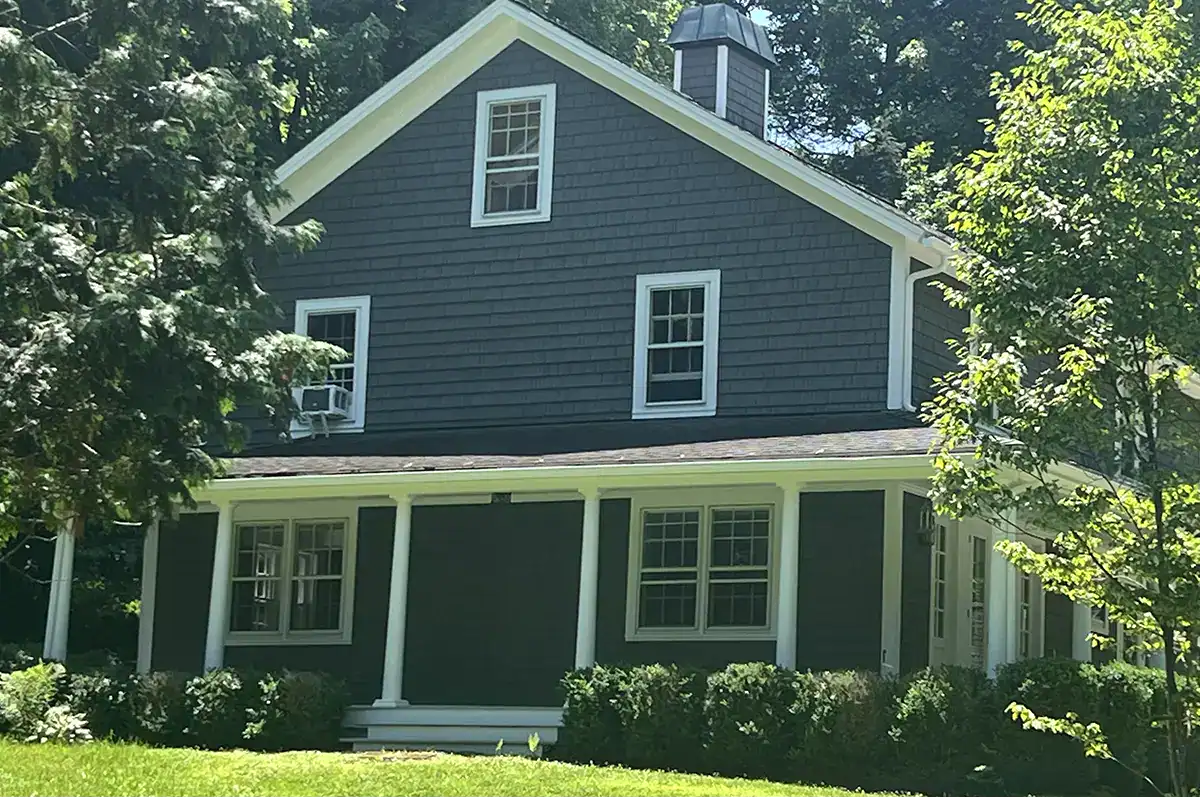
in the last five years illustrate the change in the residential real estate market. 1 Main Street at the edge of the village sold for $72,000 in July of 2021, renovated, and then sold for $400,000 in May of 2022.
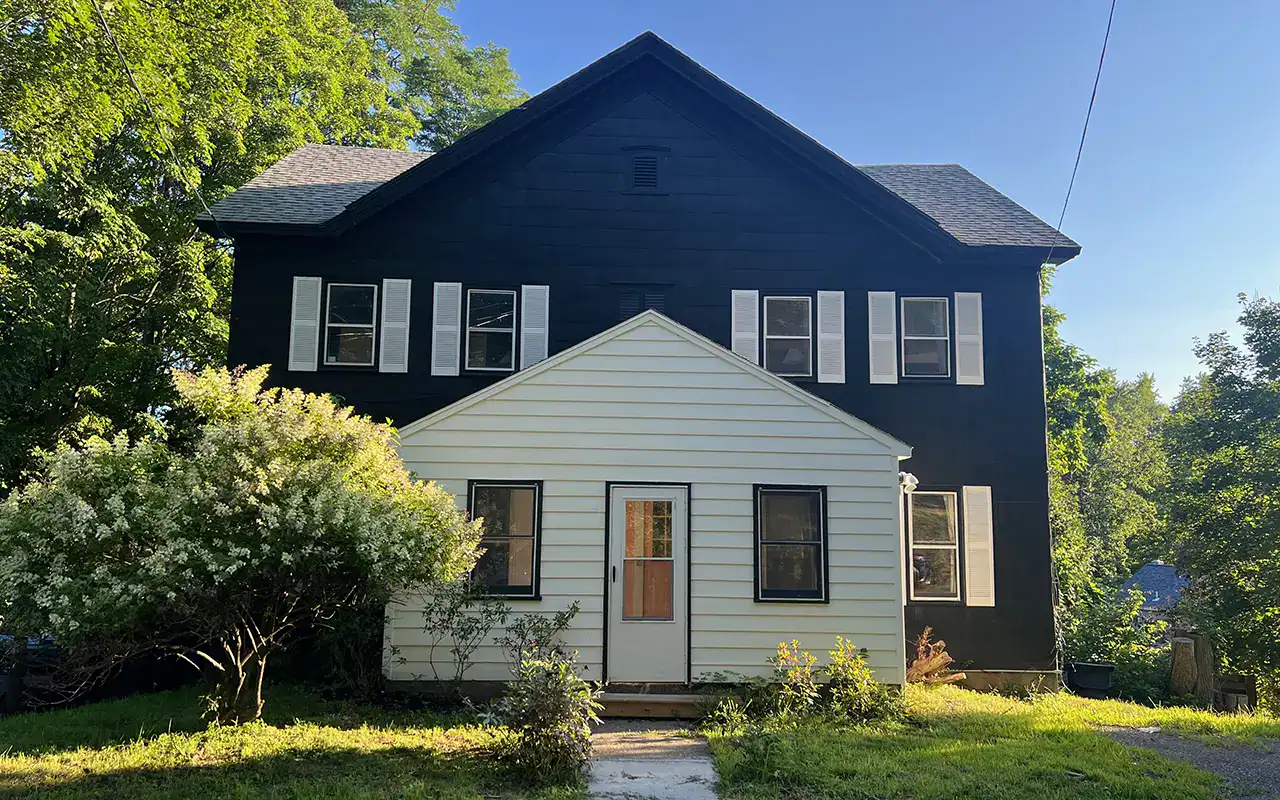
Philmont’s housing stock, like many old factory towns, includes a large number of multi-family homes, which can account for as much as 40% of all home sales and typically sell for below the median price of single-family dwellings.
Apartment buildings are not usually found in small villages but attest to Philmont’s former bustling past. Four apartment buildings were sold in 2022 alone, many in disrepair ranging in price from $299,000 for 15 Church Street to $2,525,000 for 5 Church Street. Many of these buildings were not maintained after the mills migrated south and were acquired by slum lords. They are now being slowly renovated with state grants.
Very little for sale or rent in Philmont
Always a small market with fewer than two sales a month, only seven homes were sold in the first six months of this year, with a median price of $330,000 in line with results in 2024 and 2025 despite lower sales activity. In mid 2026, only three single-family homes were listed for sale; however, seven multi-family homes are available at prices from $110,000 to $525,000. Only three rental units are listed around $1,500 monthly; however, according to Airbnb, there are 19 active Philmont Airbnb listings with an average nightly rate of $308.
Ambitious plans
Philmont has made plans for the future based on a three-volume resource study, a comprehensive plan, environmental studies, and a housing survey. Philmont was listed on the New York State Register of Historic Places on December 4, 2023, and subsequently added to the National Register of Historic Places on March 15, 2024, when it was recognized as an intact example of a 19th-century upland industrial and mill village in New York’s Taconic Region.
Spearheaded by non-profit Philmont Beautification with genuine community engagement, various “Philmont Rising” projects are now underway with assistance from New York State grants supporting Phil-mont’s redevelopment. Vacant building rehabilitation has improved Main Street with bids now out to restore the Empire House, another vacant former railroad hotel and adjoining opera house. The Summit Knitting Mill, a historic, 34,000-square-foot textile mill perched dramatically above Agawamuck Creek, stands as one of the best-preserved symbols of the Village’s industrial boom. Vacant for decades, the project is moving forward and will house performing arts, a restaurant, and artists’ studios with an emphasis on textile arts in recognition of the mill’s past.
Philmont remains a study in contrasts. It is a market where a sprawling historic home can command close to a million dollars, while a fixer-upper near the commercial corridor might still trade hands below $100,000. The core tension identified in local comprehensive housing plans persists. How does a small, historic working-class village preserve its soul, protect its seniors and working families, and manage an aging physical plant while navigating a permanent shift in regional desirability? •
Christine Bates, real estate advisor with William Pitt Sotheby’s International Realty, Licensed in CT and NY. Opinions expressed are those of the author alone.