Main Street News
A SOBERING TRUTH: ALCOHOL CONSUMPTION IN AMERICA
April marks Alcohol Awareness Month – time to gain knowledge and awareness about alcohol consumption in America. Established in 1987 by the National Council on Alcohol and Drug Dependence, its mission is to increase public understanding of alcohol use disorder and reduce the stigma surrounding alcoholism.
Emerging evidence from the medical community suggests that even drinking within the recommended limits of the Dietary Guidelines for Americans may increase the overall risk of death from various causes, such as several types of cancer and some forms of cardiovascular disease.
To help Americans adopt a healthy diet and minimize risks associated with drinking, the Dietary Guidelines for Americans 2020-2025 recommends that adults of legal drinking age refrain from drinking or limit their intake to two drinks or less per day for men and one drink or less daily for women. It’s important to note that this is not intended as an average over several days, but rather the amount consumed on any single day.
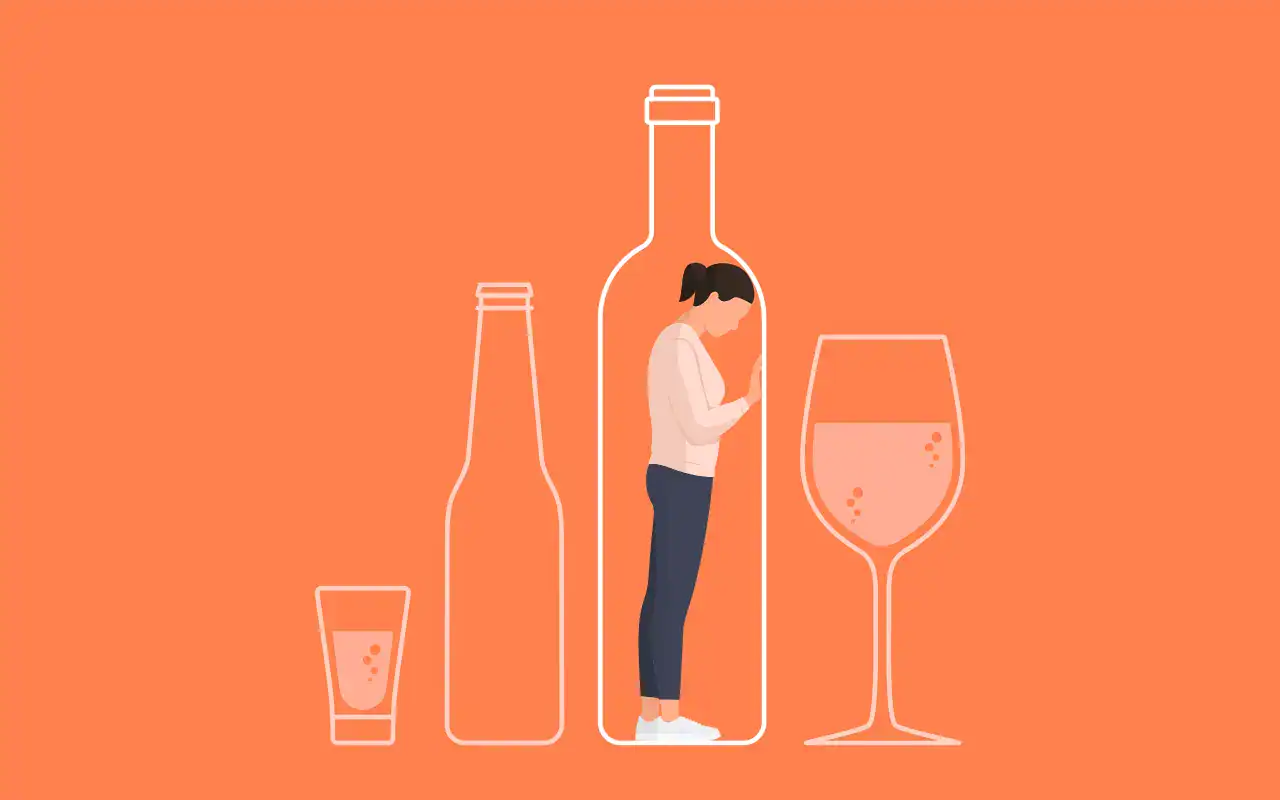
For those drinking, know your limit. One alcoholic drink contains 0.6 fluid ounces of pure alcohol. That can be 12 fluid ounces of regular beer (5% alcohol), 5 fluid ounces of wine (12% alcohol), or 1.5 fluid ounces of 80 proof distilled spirits (40% alcohol). There’s also binge drinking, defined by Dietary Guidelines for Americans as five or more drinks for the typical adult male or four or more drinks for the typical adult female, in about two hours.
TABLE: source: portal.ct.gov/dmhas/upcoming-events/events/april—alcohol-awareness-month in CT
10 Fast Facts About Alcohol
Did you know that…
- 75% of esophageal cancers are attributable to chronic excessive alcohol consumption.
- Nearly 50% of cancers of the mouth, pharynx, and larynx are associated with heavy drinking.
- Chronic alcohol consumption is associated with a 10% increase in a woman’s risk of breast cancer.
- Heavy chronic drinking contributes to approximately 65% of all pancreatitis cases.
- Among emergency room patients admitted for injuries, 47% tested positive for alcohol and 35% were intoxicated; of those who were intoxicated, 75% showed signs of chronic alcoholism.
- There are more deaths and disabilities each year in the US from substance abuse than from any other cause.
- As many as 35% of heavy drinkers develop alcoholic hepatitis.
- As many as 36% of primary liver cancer cases are linked to heavy chronic drinking.
- Alcoholics are 10 times more likely to develop carcinoma than the general population.
- Accidents related to alcohol use are among the leading causes of death for teens.
The dangers of drinking
Excessive alcohol use is a leading preventable cause of death. According to the Centers for Disease Control and Prevention, every year in the US, 178,000 people die from excessive use of alcohol.
The World Health Organization cites that consumption plays a causal role in more than 200 diseases, injuries, and other conditions. This includes an increased risk for liver disease, pancreatitis, gastrointestinal inflammation and bleeding, high blood pressure, cardiac arrhythmia, cardiomyopathy, myocardial infarction, and stroke as well as alcohol use disorder, peripheral neuropathy, Wernicke-Korsakoff syndrome, depression, and anxiety.
Alcohol consumption is also the third highest preventable cause of cancer in the United States. Recent estimates cite that 5.6% of cancer cases and 4.1% of cancer deaths are linked with alcohol consumption.
Since it impairs judgement and affects coordination by acting as a central nervous system depressant, it’s no surprise that alcohol use also elevates the risk of injury and accidents. The National Institute on Alcohol Abuse and Alcoholism cites that in 2022, alcohol contributed to more than 4.2 million (3.5% of) emergency department visits, which includes 3 million visits for men and boys, and 1.3 million for women and girls.
According to the National Institute on Alcohol Abuse and Alcoholism’s 2024 National Survey on Drug Use and Health, 57.9 million people ages 12 and older reported binge drinking within the month previous to the survey. That number includes 32.2 million males ages 12 and older (22.8% in this age group) and 25.7 million females ages 12 and older (17.4% in this age group).
Help is available
Luckily, help is available. Treatment options include professional medical support and behavioral therapies. Long-term success often involves support groups, lifestyle changes, and avoiding triggers. Those struggling with alcohol use are advised to speak with a primary care doctor or addiction specialist. Beyond taking a toll on a person’s health and well-being, problems with alcohol use also impact family and friends.
Emotional impact, trickling down
Children raised by an alcoholic parent often experience significant trauma, resulting in long-term emotional, psychological, and behavioral struggles, including anxiety, depression, guilt, and a high risk of developing substance abuse issues. They frequently adopt roles as caretakers or struggle with trust, intimacy, and perfectionism in adulthood, requiring support to break the cycle of dysfunction.
In fact, substance use disorder by a parent is considered an “adverse childhood experience,” a potentially traumatic event occurring before age 18. The list includes abuse, neglect, or household dysfunction that can cause toxic stress and altered brain development that harms long-term physical and mental health.
Children in alcoholic households are also more likely to have adverse experiences. The risk of alcoholism and depression in adulthood increases as the number of reported adverse experiences increases, regardless of parental alcohol abuse. Depression among adult children of alcoholics appears to be largely, if not solely, due to the greater likelihood of having had adverse childhood experiences in a home with alcohol-abusing parents.
Sharing personal experiences
Some members of the community courageously shared their stories about what it was like to live with an alcoholic.
A (now adult) child of an alcoholic father shares:
This mentally affected me more than I realized. When you’re a child, your instinct is to look to your parents for protection and guidance, but for me it was hard to feel that towards my dad.
Fear, anxiety, sadness, anger, hurt, embarrassment, and disappointment are a few of the many emotions that I recall. I didn’t want to be in social settings since I feared that more people would see my dad on a ‘bad’ day and that embarrassment would follow me. To this day, I am still a homebody.
As I got older, I continued to try to control my dad and his actions. My mom frequently reminded me that when he and I exchanged words, it was the alcohol talking. She’s right. My head knows that, but my heart still hurts.
As a teen, I made a conscious decision never to go down that road or allow it in a partnership. I’m happy to report, I achieved those goals, and I am proud of the person I’ve become.
A family member of an alcoholic offers a message of advice and support to others who may be living with an alcoholic family member:
Sadly, alcoholism doesn’t just affect the individual you love and care about, but it also takes its toll on your family. Remember that you aren’t the reason your loved one is choosing to pick up and drink; it reflects them, not you.
As much as you want them to get help, they need to want it for themselves. If you’re at all like me, you keep your home life very private, which causes you to bottle up years of emotion. Please know that you’re not alone, and it is okay to have mixed feelings and express them.
To cope, make sure you rely on your support system or seek help for yourself. Music was always my outlet. The louder, the better! Some songs are like a warm hug and shoulder to cry on, while others just boost my mood. The power of music is something I am forever grateful for.
Another community member weighed in on the misconceptions that society has about families dealing with alcoholism:
It frustrates me that alcoholism isn’t talked about enough. It is a real problem that affects more people than you realize. I attribute that to alcohol being so accessible: at dinner, package stores, the grocery store, and the gas station. This just makes it more acceptable.
Why aren’t we talking about ways to eliminate the temptation or promoting more help for those in need of detox? More than anything, I wish this beverage would disappear and stop affecting loved ones the way it has affected mine. This awful disease took my dad’s life.
I think my dad believed that because he was labeled an ‘alcoholic,’ it was assumed he was a ‘bad’ person, and his opinions and feelings didn’t matter. That is so far from the truth. Under the booze, my dad was a good person and had feelings just like you and I do.
After understanding Alcohol Awareness Month and all of the readily available data, while also talking with family members, it became quite clear that some people choose to leave their relationship with an alcoholic, and some decide to stay. “People need to do whatever works best for them and not for anyone else. Remember, no one else can walk in your shoes,” said one person who was impacted by an alcoholic family member. •
Help is available; speak with someone today. Dial or text 988 for substance use support through the Suicide and Crisis Lifeline, available 24/7, help is available in English or Spanish. If you or someone you know is impacted by alcoholism, resources are available. Contact the Hudson Valley Addiction Center in Newburgh at hvatc.com or (845) 713-8640 or Alcoholics Anonymous in Poughkeepsie at dutchessaa.org or (845) 452-1111.