
Main Street News
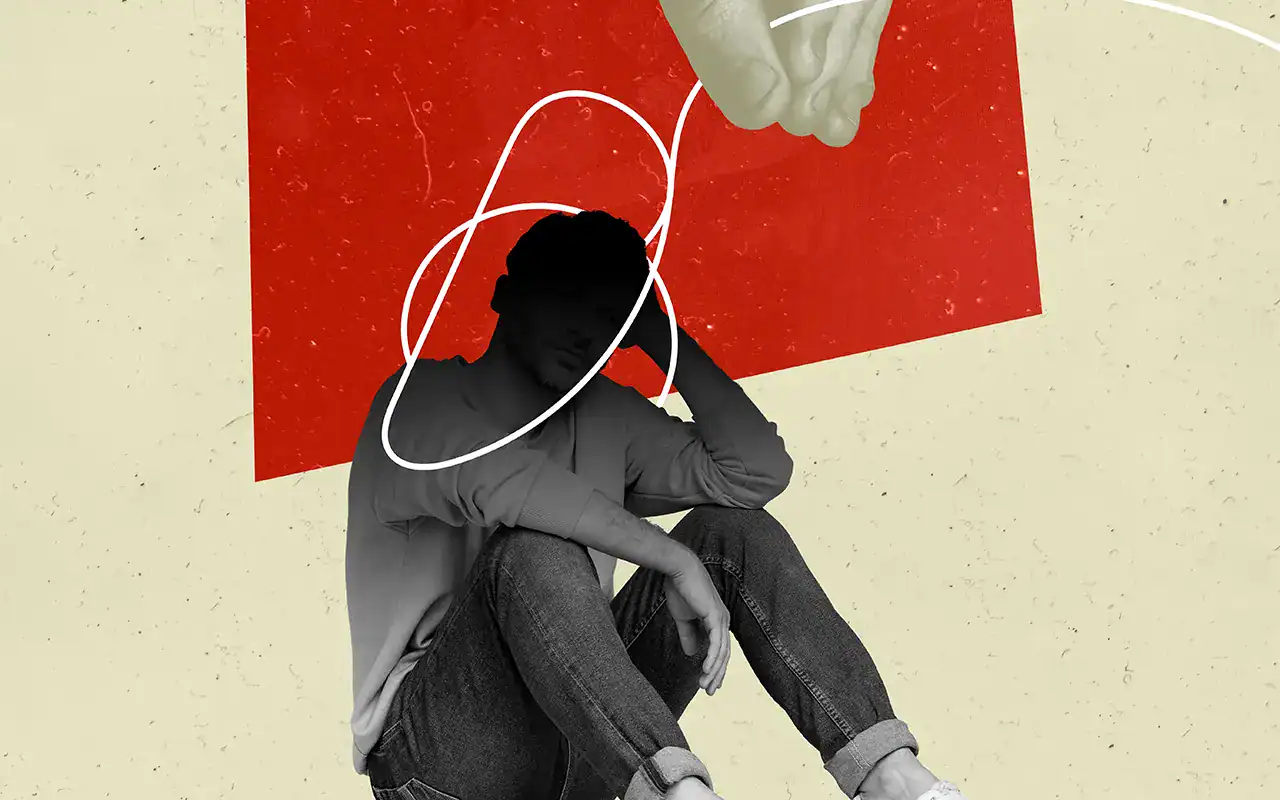
ALL ABOUT ANXIETY
It’s May! Beyond Mother’s Day, National Nurses Day, Armed Forces Day, and Memorial Day weekend, May also marks Mental Health Awareness Month. Observed since 1949, its mission is to reduce stigma, boost awareness, and support mental wellness.
Led by organizations such as Mental Health America and National Alliance on Mental Illness, Mental Health Awareness Month is recognized with community events and offers education and other resources to support all who are impacted.
Anxiety 101
So, let’s talk about anxiety. Within the last decade, there’s been a surge in anxiety due to a perfect storm of factors – from the pandemic, the political divide, and inflation to the around-the-clock news cycle delivered via social media and the Internet.
The Antxiety & Depression Association of America states that everyone experiences stress and anxiety at one time or another. It’s just a matter of how much stress and if it impacts daily life. The difference between stress and anxiety is that stress is a response to a threat in a situation and anxiety is a reaction to stress.
Common signs and symptoms
According to the Mayo Clinic, common signs and symptoms of anxiety include feeling nervous, restless, or tense; having a sense of impending danger, panic, or doom; having an increased heart rate; or breathing rapidly (hyperventilation). Other symptoms and signs: sweating, trembling, feeling weak or tired, having trouble concentrating, or not being able to think about anything other than the present worry. There’s more. They include having difficulty sleeping, having an upset stomach or other problems with digestion, having difficulty controlling worry, or having the urge to avoid things that trigger anxiety. That’s a lot.
Whether in good times or bad, most people say that stress interferes at least moderately with their lives. It’s important to note that chronic stress can impact a person’s health, causing headaches, high blood pressure, chest pain, heart palpitations, skin rashes, and loss of sleep.
Ways to reduce stress
Luckily, there are ways to manage symptoms. Physical activity is a proven way to reduce stress. Regular participation in aerobic exercise has been shown to decrease overall levels of tension, elevate and stabilize mood, and improve sleep and self-esteem. Other effective methods include mind-body practices of breathing exercises, yoga, and meditation.
Anxiety disorders
There’s a difference between occasionally feeling anxious and having an anxiety disorder. According to the Mayo Clinic, people with anxiety disorders frequently have intense, excessive, and persistent worry and fear about everyday situations. Often, anxiety disorders involve repeated episodes of sudden feelings of intense anxiety and fear or terror that reach a peak within minutes; those are panic attacks.
These feelings of anxiety and panic interfere with daily activities, are difficult to control, are out of proportion to actual danger, and can last a long time. People who experience this may avoid places or situations to prevent these feelings. Symptoms may start during childhood or the teen years and continue into adulthood.
According to the Anxiety & Depression Association of America, anxiety disorders develop from a complex set of risk factors, including genetics, brain chemistry, personality, and life events. The most common mental illness in the US, anxiety disorders affect 40 million adults (19.1% of the population) age 18 and up, every year. Although highly treatable, only one in four people in need (27.6%) receives treatment. It’s not uncommon for someone with an anxiety disorder to also suffer from depression or vice versa. Nearly one-half of those diagnosed with depression are also diagnosed with an anxiety disorder.
Types of anxiety disorders
It’s important to note that a person can have more than one anxiety disorder. Sometimes anxiety results from a medical condition that needs treatment. Whatever form of anxiety a person has, treatment can certainly help. Here are a few anxiety disorders.
Generalized anxiety disorder is persistent and excessive anxiety and worry about activities or events, even ordinary, routine issues. The worry is out of proportion to the actual circumstance, is difficult to control, and affects how you feel physically. It often occurs along with other anxiety disorders or depression. Women are twice as likely to be affected as men.
There’s also social anxiety disorder, which involves high levels of anxiety, fear, and avoidance of social situations due to feelings of embarrassment, self-consciousness, and concern about being judged or viewed negatively by others. According to the National Institute of Mental Health, social anxiety disorder is equally common among men and women and typically begins around age 13. According to a 2007 Anxiety & Depression Association of America survey, 36% of people with social anxiety disorder report experiencing symptoms for 10 or more years before seeking help.
Specific phobias are characterized by major anxiety when someone is exposed to a specific object or situation and a desire to avoid it. In some people, phobias provoke panic attacks.
Finally, there’s anxiety disorder, which is due to a medical condition. It includes symptoms of intense anxiety or panic that is directly caused by a physical health problem. Of course, there are other types of disorders.
For more information, explore the websites of the Anxiety & Depression Association of America, Mental Health America, the National Alliance on Mental Illness, the National Institute of Mental Health, or the Mayo Clinic. Also, speak to a mental health professional about getting help.
Stay calm
For those who don’t have intense, excessive, and persistent worry and fear about everyday situations, Main Street addresses that general, uncomfortable feeling of being anxious and provides some tips on how we can calm our nervous systems within minutes. Luckily, there are lots of ways to de-stress while soothing our minds and bodies.
The Mayo Clinic cites the benefits of mindfulness. A state of being mindful and aware of the present moment, mindfulness is a type of meditation in which a person focuses on their thoughts, feelings, body, and surroundings. It is done without judgment. There’s only awareness of the moment as it is. Research has shown that mindfulness can support both mental and physical well-being. Almost anyone can benefit from this practice.
Mindful.org highlights meditation as a means of lowering stress levels, improving focus, and being kinder to ourselves. The website defines meditation as “a practice that involves focusing attention (often via the breath) to cultivate mindfulness, calm, and clarity.” Benefits include reducing stress, boosting emotional health, deepening self-awareness, enhancing sleep quality, strengthening immunity, and building mental resilience.
Beginners who are interested in practicing meditation can find a quiet, comfortable place to sit. Set a short time limit of 5 to 10 minutes. During that time, focus on the breath and notice bodily sensations. When distractions occur (because they will), gently return your focus to your breath. End with a moment of kindness and self-reflection.
Regulating the nervous system
Dr. Nicole LaPera, renowned as “the Holistic Psychologist,” is a leader in holistic psychology and has a global community of more than 12 million people. Her work fuses clinical psychology with holistic principles and empowers people to become their own healers.
On her Instagram (@the.holistic.psychologist), Dr. LaPera has posted about how when a person rushes, their nervous system automatically goes into fight or flight. She advises her followers to bring a sense of calm by moving slower through their tasks. She also suggests slowing down the breath to calm down and walking, which helps the brain make sense of what’s happening. She said: “Walk after a fight. Walk when your mind is spinning. Walk when you need to remember who you are.”
Dr. LaPera says that irritability is the first sign that your nervous system is dysregulated. She suggests eating something high in protein or fat to stabilize blood sugar. Then take a brisk walk. This will help your body move into a regulated state.
There are lots of ways to keep calm and carry on, so try some of these tactics the next time you’re feeling anxious. Through frequent practice, you’ll start to see results and feel empowered that you have the tools to get through stressful situations. Just start by taking a deep breath. •
*Disclaimer: All medical claims made in this article are based on the organizations cited and information provided by the cited sources. The information is general in nature and not specifically meant for any particular individual. You should always seek out medical assistance from a medical professional based on your individual needs and circumstances.