
Main Street News
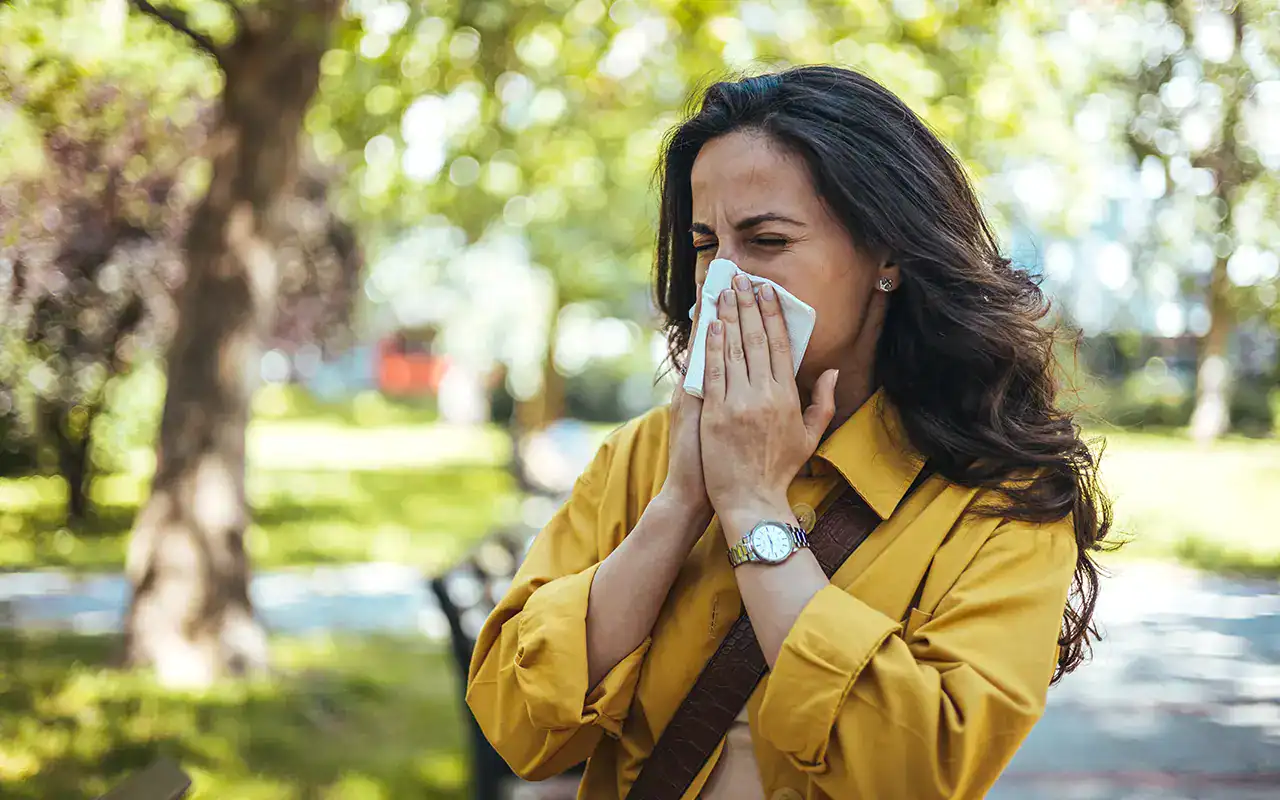
Allergies On the Rise
There are so many things we love about the springtime. Beyond blooming flowers, trees sprouting buds, and the harmonious song of birds, there’s also lots of sneezing and itchy eyes. Many of you have probably realized that May is peak season for allergy related symptoms and allergy seasons are getting longer and more intense. According to the Asthma and Allergy Foundation of America (AAFA), more than 106 million people in the United States have allergies and/or asthma.
Since 1984, the AAFA has designated May National Asthma and Allergy Awareness Month. With all the pollen and dust from spring cleaning swirling around this month, now is the time to focus on respiratory and immune health. This month, the medical community is busy educating the public about asthma and allergic diseases, risk factors, symptoms, and treatment.
The Asthma Allergy Network defined an “allergy” as an overactive response from the immune system after exposure to an allergen. Seasonal or environmental allergies may cause a range of symptoms from runny noses to nasal congestion and inflammation, sneezing, and itchy and red eyes, among other symptoms. Environmental factors related to allergies include pollen, mold, dust mites, animal dander, and cockroaches/mice.
The Asthma Allergy Network defined asthma as a long-term disease that causes a person’s airways to become swollen and inflamed, making it hard to breathe. Common symptoms include coughing, shortness of breath, wheezing, and chest tightness or pain. Asthma may lead to a medical emergency. It is important to know the signs of a severe asthma episode or asthma attack. More on that below.
AAFA cites that 82 million have nasal allergies and 28 million have asthma. Asthma is also a top reason for missed school days. Unfortunately, there is no cure for allergies or asthma. Luckily, symptoms can be controlled by avoiding triggers and taking medicines or allergy treatments.
It’s important to know that it is rare for a person to die from allergies. Almost all deaths from allergic reactions are preventable. Estimates of allergy-related deaths in the U.S. are around 200 to 500 people annually out of more than 106 million people with allergic reactions.
Take control through the power of community
According to AAFA, asthma and allergies aren’t managed in isolation – they’re shaped by where we live, the air we breathe, and the people around us. Keeping these conditions under control takes more than medication. It takes a community.
“Your community of support includes everyone who influences your health and well-being: family and friends, your health care team, school staff, employers, local neighbors, advocates, and lawmakers. When that community shows up for you, the difference is real. You can experience better day-to-day symptom management; healthier, more inclusive spaces at home, school, and work; access to more treatment options; and stronger protections and policies that improve quality of life,” advises AAFA.<
Other allergies
Of course, there are other types of allergies as well. Severe allergies to food, medications, insects, or latex, can lead to life-threatening symptoms that impact multiple body organs, including the skin, respiratory system, stomach, and heart. The Asthma Allergy Network mentioned several conditions that are classified as “allergies,” including allergic rhinitis of “hay fever” as well as food allergies (the AAFA cites that 22 million have food allergies), and anaphylaxis, allergic skin conditions, and allergic asthma.
According to Asthma Allergy Network, more than 80 million Americans are diagnosed with seasonal or environmental allergies each year. A staggering $18 billion is spent on annual healthcare costs. The most common: pollen, dust mites, and pet dander, as well as specific foods and insect stings.
World Asthma Day
May 5, 2026, marks World Asthma Day. Its mission: to raise awareness, share resources, and educate the public on managing chronic asthma. The Global Initiative for Asthma (GINA) theme for 2026 is “Access to anti-inflammatory inhalers for everyone with asthma – still an urgent need.”
According to GINA, asthma is one of the most common chronic non-communicable diseases. Asthma attacks cause great distress for sufferers, their families, and their careers. Asthma attacks involve obstruction of the air passages in the lungs, which reduces the ability of the person to inhale life sustaining oxygen into the body. The airway obstruction is caused by spasm and tightening of the airway muscles, and inflammation, which causes both swelling of the walls of the air passages and mucus or phlegm blocking the airways.
The short-acting bronchodilator relievers (salbutamol, albuterol, terbutaline, SABAs) only relieve the spasm and tightening of the muscles in the air passages but inhaled corticosteroid-containing medications prevent asthma attacks by treating the underlying inflammation that causes asthma. Inhaled corticosteroids are essential for treating and controlling asthma!
Asthma is responsible for more than 450,000 deaths annually worldwide. Most of these are preventable. Asthma attacks may result in hospital admission and, in some cases, death.
This year’s theme reinforces that ideology that every person with asthma, including most pre-school children with asthma, should receive inhaled corticosteroids. These inhalers reduce the person’s risk of asthma attacks and reduce preventable asthma deaths. Preferably, the inhaler should be a combination 2in1 inhaler containing both an inhaled corticosteroid and a quick-acting reliever. Together, they treat the asthma symptoms, prevent asthma attacks, and reduce hospital admissions.
Doctors and allied health care professionals are called upon to ensure that all people with asthma, including most pre-school children with asthma, are prescribed evidence-based, essential, inhaled corticosteroid-containing medication. These should be prescribed in addition to, or in combination with, reliever medication, to prevent the continuing avoidable morbidity and mortality from asthma.
Food for Thought
Food Allergy Awareness Week is also being observed this month, from May 10 to May 16, 2026. Food allergies can develop at any age and dramatically change the patient’s life as well as the lives of family members, friends, schoolmates, and coworkers.
According to Food Allergy Research 7 education (FARE), 1 in 13 children in the U.S. have a food allergy. Although nearly any food can trigger an allergic reaction, there are nine foods that cause most reactions. The list includes milk, eggs, peanut, soy, wheat, tree nut, shellfish, fish, and sesame.
Fast facts: The organization cites that About 2.5 percent of children under three years old are allergic to milk. As for nuts, peanut allergy is the most common food allergy in children under age 18. It is also the third-most common food allergy in adults. Peanut allergy is usually lifelong: only about 20 percent of children with peanut allergy outgrow it over time. Shellfish allergies are the most common food allergies in adults and among the most common food allergies in children. Approximately 2% of the U.S. population reports an allergy to shellfish.1 Shellfish allergies are usually lifelong.
According to FARE, wheat allergy is most often reported in young children and may affect up to 1% of children in the U.S. One study found that two-thirds of children with a wheat allergy outgrow it by age 12.1 However, some individuals remain allergic to wheat throughout their lives.
When a person with a wheat allergy is exposed to wheat, proteins in the wheat bind to specific IgE antibodies made by the person’s immune system. This binding triggers the person’s immune defenses, leading to reaction symptoms that can be mild or very severe.
Wheat allergy and celiac disease are both adverse food reactions, but their underlying causes are different. Wheat allergy results from an adverse immunologic (IgE-mediated) reaction to proteins in wheat and reactions can cause typical allergy symptoms involving the skin, gastrointestinal tract, respiratory system, and anaphylaxis in some individuals.1
FARE stated that common allergens have many names and are found in a wide array of products. For each of the top nine allergens, there are names that are most commonly found on ingredient labels. There’s also a list of products that often contain these problem ingredients.
The organization offers tips for avoiding these allergens. Its mission is to help people uncover places that these top-9 allergens are hiding, so they won’t end up in shopping carts. Here’s a link to the information, https://www.foodallergy.org/living-food-allergy/food-allergy-essentials/common-allergens/tips-avoiding-your-allergen