Main Street News
Have Heart
This month, we are focusing on heart. Beyond Valentine’s Day, February also marks American Heart Month—a national observance led by the Centers for Disease Control (CDC) and Prevention and American Heart Association.
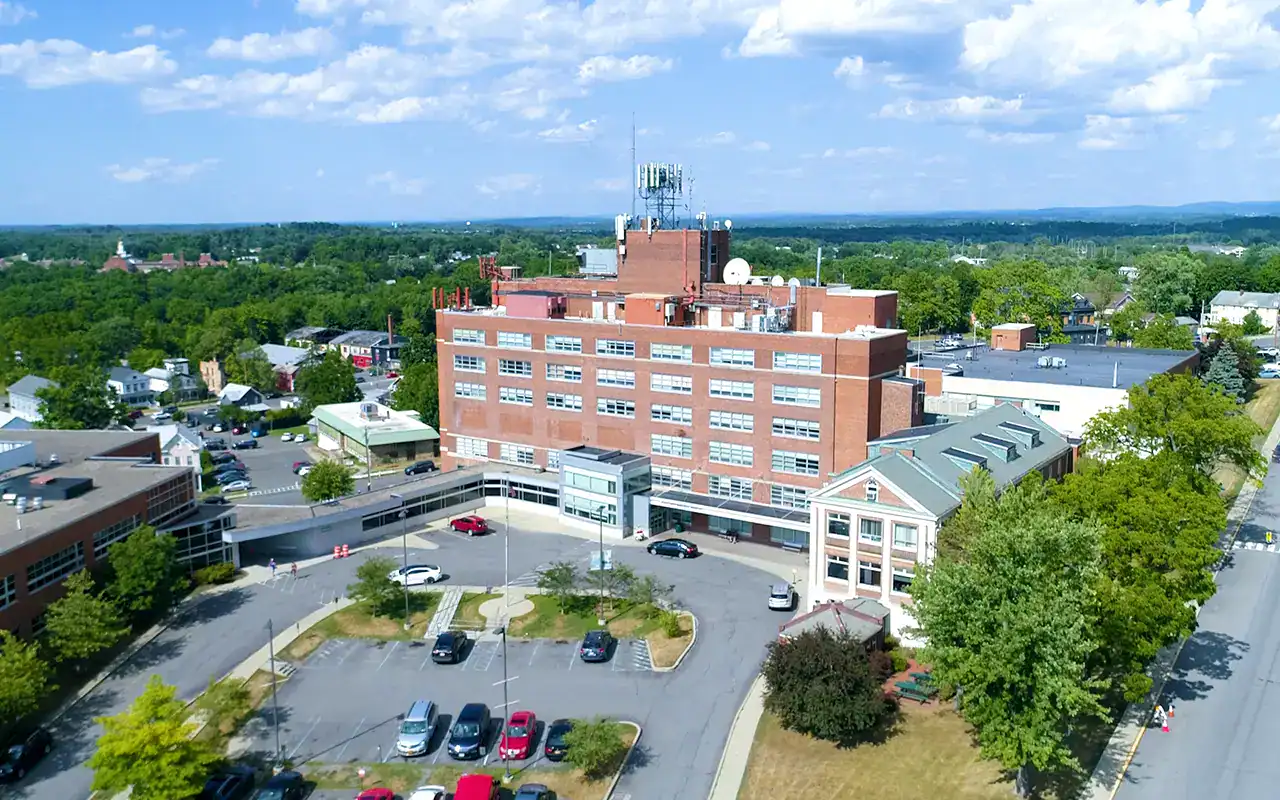
Throughout February, hospitals including Columbia Memorial Health (CMH) in Hudson, NY, are generating awareness about cardiovascular disease—the leading cause of death in the U.S. for men, women, and people of most racial and ethnic groups.
CMH, which is part of the Albany Med Health System, is encouraging people to adopt heart-healthy habits, from eating more whole foods to exercising, managing weight and blood pressure, and refraining from smoking, including exposure to second-hand smoke. People should also get checked for diabetes.
According to the CDC, one person dies every 34 seconds from heart disease. In 2023, the disease claimed the lives of 919,032 people; that’s 1 in every 3 deaths. Here’s how to prevent heart disease.
Early Education
Now is the time to get heart healthy and make some changes that can positively impact heart health. The work of Dr. Valentin Fuster, M.D., PhD, President of Mount Sinai Fuster Heart Hospital and Physician-in-Chief of The Mount Sinai Hospital, suggests that “we should start promoting healthy heart habits as early as the preschool years,” said Dr. Henry Louis Clinton Jr., Senior Cardiologist at Columbia Memorial Health. “Atherosclerotic cardiovascular disease is probably a lifelong illness that likely starts during childhood.”
Dr. Clinton pointed to a study “Manifestations of Coronary Atherosclerosis in Young Trauma Victims” in the Journal of the American College of Cardiology, 1993, which gathered medical data from soldiers who died on the battlefield in the Korea and Vietnam wars. The study revealed that, although the soldiers were mostly in their 20s, they already had signs of cardiovascular disease.
Warning signs
Many people are familiar with the classic warning signs of a heart attack. They include chest discomfort that may feel like pressure or tightness, which radiates to the neck, jaw, or both arms (more commonly to the left arm), or even the back. Other common signs include nausea, vomiting, shortness of breath, or sweating, often in association with the common signs.
Dr. Clinton also noted that some signs such as stomach upset are often more prominent in women and diabetics. When in doubt, call 911.
Cardiology Department
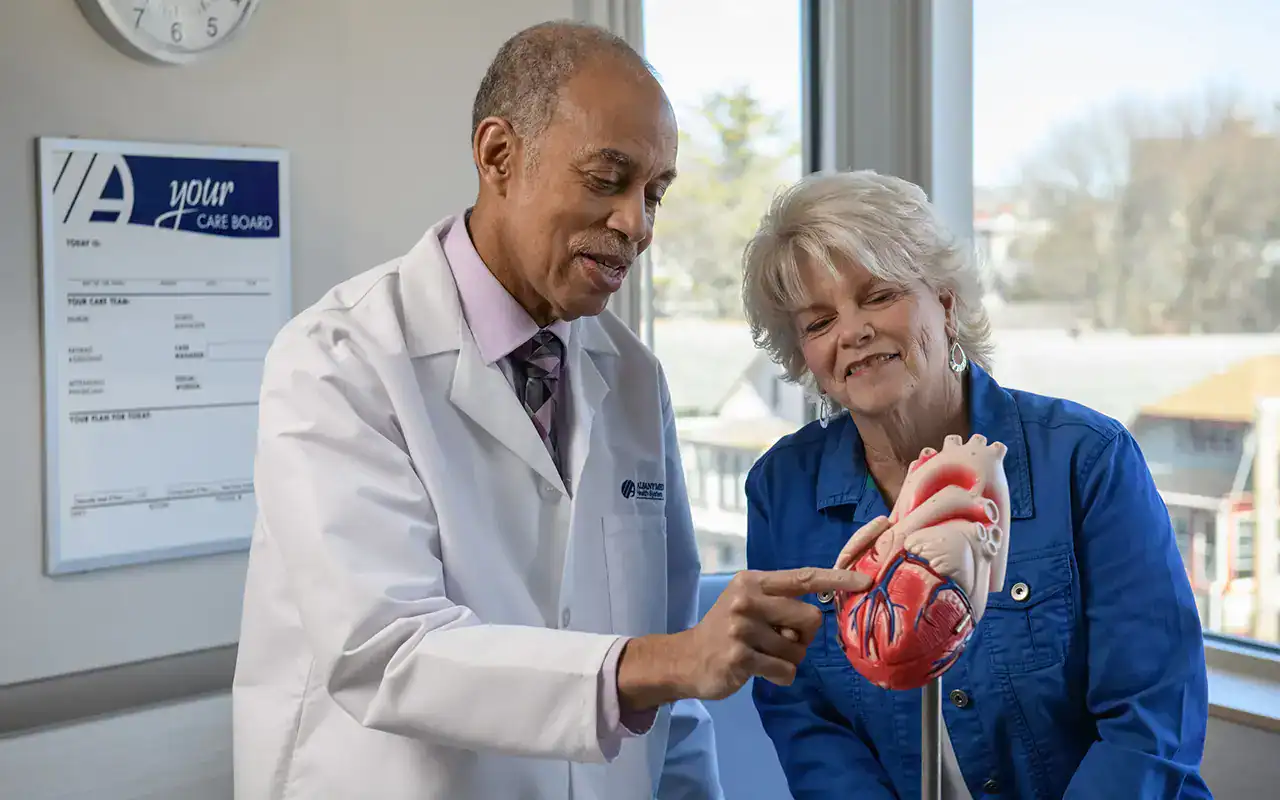
The team at CMH can help you take charge of your heart health. The Hudson location has three Board-certified cardiologists. Beyond Dr. Clinton, the team includes Dr. Hiral Amin and Dr. Elizabeth Chandy. It has another Board-certified cardiologist. Dr. Princewill Ogbuji at the Valatie Medical Arts Building in Valatie. CMH also has three certified nurse practitioners who are available for consultations.
Together, they offer a range of services and tests including stress tests both with and without nuclear imaging (the imaging test reliably compares blood flow in the heart at rest to blood flow with exercise), electrocardiograms, also known as EKGs, and echocardiography or cardiac ultrasound, which uses sound waves to create moving pictures of the heart. It offers even more services and procedures at Albany Med Center.
Be proactive about your heart health and schedule an appointment today.
ALL PHOTO CREDITS: Albany Medical Health System