Featured Artist
Inside the Pages: May Castleberry
I have had numerous conversations with May Castleberry regarding the importance of books and their tangible nature in an increasingly non-tangible world. Castleberry has been surrounded by books her whole life, from a love of libraries to curating artists’ books and exhibitions for both the Whitney and the Museum of Modern Art. She has worked side by side with artists, papermakers, and bookbinders to bring to life pieces of art that live on through both the visual and the written word. Castleberry and her family moved to the Northwest Corner 14 years ago from Sag Harbor. I caught up with her to look at some of her book projects and discuss the complexity involved in making handmade art books, conceived and designed by artists to be seen as artworks.
Can you remember your earliest memories of making art?
I grew up painting alongside my mother, who had been making artworks ever since I could remember. She had a home studio, and sometimes showed in serious exhibitions, despite our living in places that seemed like the edge of nowhere. I grew up in the West, between Texas; Alberta, Canada; and Colorado. My father worked in oil exploration, and we moved frequently. This gave me, for better or worse, a keen sense of changing natural environments and the beauty of an expansive landscape. When I complained about, say, moving from the Rocky Mountains to the Texas plains, my mother encouraged me to stay focused on the beauty of the horizon line or to find beauty wherever I could. This stayed with me in unexpected ways in my career. Finding magic in forgotten objects and spaces has been a guiding principle for many of the artists I have worked with.
So, you went to art school to paint?
I received my first formal training in painting in a full-summer program at the Banff School of Fine Arts in Alberta between high school and college. In my college years, studying art history and fine art in Texas, I got involved with printmaking, graphic arts, and book design.
It is so interesting that books have been at the center of your work, but they were always integrated in your life, even when you were young.
Truly! Along with nature, books were my portable home. Throughout my childhood, moving from place to place with little support, the local library was my best friend. My mother had wonderful art books, too, another opportunity for bookish escape. Strangely, it took the most urban place for me to feel at home: I moved to New York City at the age of 21 and instantly loved its cosmopolitanism. I loved that everyone was from everywhere. Also, it was wondrous news to me that one could form deep friendships centered on shared specialized interests.
My first job was as a clerk in the Columbia Library, which allowed me to take free printmaking courses in Columbia’s Graduate School of the Arts at night. The best part of my (low-level) clerical job was sorting books in Columbia’s Rare Book Library, where I was exposed to daily conversations among much more advanced professionals making special acquisitions decisions. The next year, I enrolled in Columbia’s Library School MS program. Studying the history of the book, my focus was on books made by artists. My thesis was on “the artists’ book movement” of the 1960s and 70s (best defined by the offset-printed books by artists such as Ed Ruscha and Sol LeWitt.) This led to my job as librarian at the Whitney Museum of American Art.
What happens when you sit down with a new book you’re excited about? What is your emotional response?
After all these years, they are almost all still magic. But I confess I can get clinical all too quickly! I instantly look to see who designed and printed it, how well it was sewn. I see details that might be imperceptible to some but have an enormous effect on the book’s visual and tactile experience.
So, you’re always thinking about process? I do the same with painting. I look at an image and want to know how it was made, who did it, and what materials they used. Can you share how your job developed?
Yes, I love your deep involvement with materials. I had the privilege of working with artists to explore and use handmade papers, Japanese cloth, silk threads, and more.
When I was first working as a librarian at the Whitney Museum, the museum’s director asked me to raise money and grow the collection. I had no real idea how to raise money, but I suggested a kind of book club in which people would support the library: I would produce books with artists, and we would give members a copy. Like many naive ideas undertaken in youth, I had no idea how much work it would be, or if it would succeed. But (longer, generally happy story) it worked out!
I learned a great deal about publishing by buying and handling historic books and through constant conversations with booksellers while searching for books for the library.
I scoured bookstores in New York for books on the history of 20th-century American art, buying and studying illustrated fine-press books and books conceived by artists as works of art. One of the best sources for me at the time was Wittenborn Books, a center of artistic and intellectual life for the Surrealists-in-exile in the 1940s and the Abstract Expressionists in the 1950s. Wittenborn went out of business in the 1990s. Also, Printed Matter, a not-for-profit that focuses on books by artists, had a huge impact. It’s still going strong in Chelsea.
I think books are fascinating objects. Like you, I fell into books young because they were something to get lost in, though the books you work with are quite different.
While I love many kinds of books, my sweet spot as a publisher seems to lie in uniting artists with specialty printers and binders to make books in unusual, even sculptural formats, and in tactile materials. I invite artists to work in a variety of print media (from traditional etching and engraving to silkscreen to the most advanced offset printing). And to work closely with a wonderful hand binder.
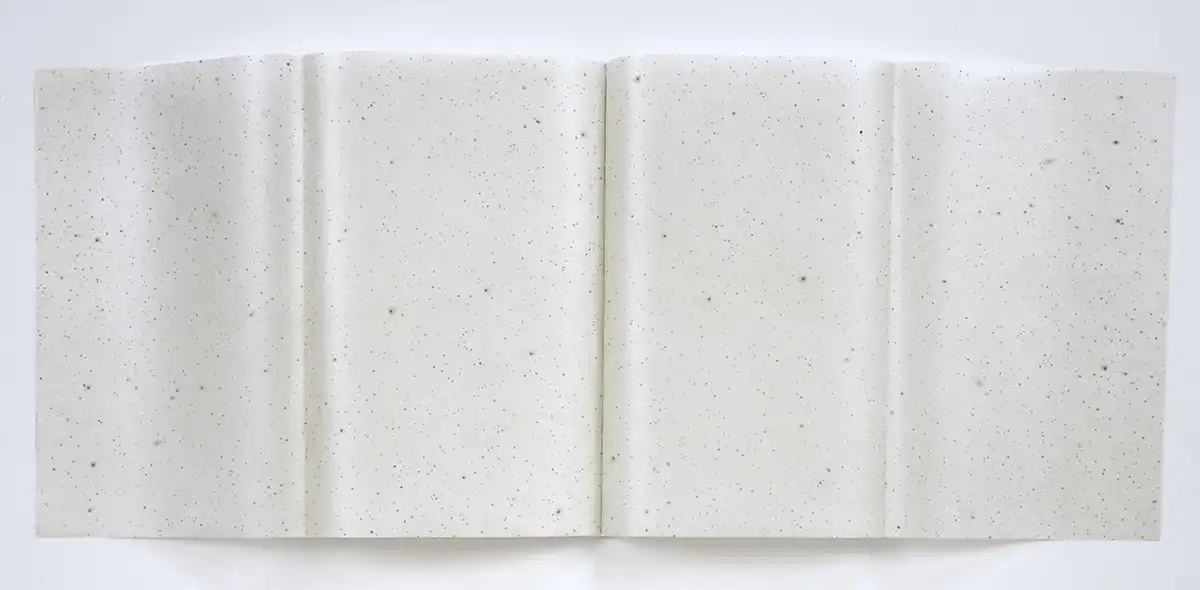
The first book I was fully in charge of for the Whitney program, published in 1985 was by Vija Celmins. This book, called The View, included the artist’s mezzotints made especially for the project, handmade paper we commissioned to complement the etchings, and a new text by the poet Czeslaw Milosz. (A set of artist’s proofs of mezzotints originally published in The View was recently displayed in Matthew Marks’ exhibition focused on Vija’s work from the 1980s.) Celmins’s work is demanding to design around and print (every millimeter matters). It was a pleasure to watch her precision and find ways to support it throughout the publication.
Around that time, I traveled to New Mexico with my husband, and sometimes with Celmins. Flora Biddle, a trustee at the Whitney (who now lives in New Preston, CT), a guiding light, had a house in Taos and regularly invited my husband and me there, along with Vija Celmins and artist Agnes Martin, a mutual friend of Vija and Flora. Martin, by the way, was extraordinary, unafraid to be completely in her own world.
It took five years to sell out the book, and then, in the 1990s, it became almost impossible to buy. Vija, though noted for her contributions to California Pop in the sixties, was somewhat overlooked at the time of the book’s publication in the mid 1980s. Her reputation (like Martin’s) expanded with a renewed appreciation for minimalism and an exquisite “hand.”
Were you painting through that time? You were making books. When did you get into curation?
I made prints and paintings in my spare time in my 20s and 30s. These were mostly miniature paintings that could sit on a bookshelf (and looked a lot like tiles or books). The artwork slowed down when my job at the Whitney became all-consuming in the early 90s, as I was running a library, publishing books, and curating exhibitions. In 1990, I started curating small exhibitions of books in a first-floor gallery off the lobby and in another space next to the restaurant on the lower floor. The display of publications usually complemented a larger exhibit upstairs. A few years later, I became deeply interested in photo books, especially those that documented the American West’s landscape. This led me to curate a full-scale exhibition on the subject at the Whitney in 1996, titled Perpetual Mirage. This subject has a deep history, starting with the photographic albums of the Great Surveys of the American West sponsored by the US government between 1867 and 1879. Prompted by the annexation of Western lands, these surveys were, in ambition and government investment, equivalent to the space program. Photographers like William Henry Jackson and Timothy O’Sullivan hauled their equipment, chemicals, and darkroom boxes into the “Great American Wilderness,” traveling alongside scientists, writers, and artists like Thomas Moran, to document a land their sponsors conceived as “a giant strongbox” of minerals and potential wealth to be opened. These photographers also documented extraordinary lands and future national parks that would become essential to American identity. The exhibition, including these early “proto photobooks,” focused on generations of photographers whose photobooks shaped perceptions of the American West. Of course, most of the western locations that were photographed in the 19th century were not an unsettled “wilderness.” Photographers documented encounters with indigenous structures and entire civilizations, especially in the Southwest. The visible presence of pre-European sites became the subject of another exhibition I curated for the AXA Gallery called The New World’s Old World. This exhibition featured photographs of surviving indigenous sites built and inhabited before and sometimes after European contact in Peru, the American Southwest, and Mesoamerica.
What is the seed that makes you say, “I want to make a book about this artist’s work”?
For the projects at the Whitney and MoMA, I looked for artists with a strong sense of narrative and printmaking. This could be an artist who is especially interested in working with cinematic sequences of images or the interplay of art and text. For me, each project, involving very different types of artists, meant going out on a limb with someone to explore the book as a sequential, storytelling, interactive medium.
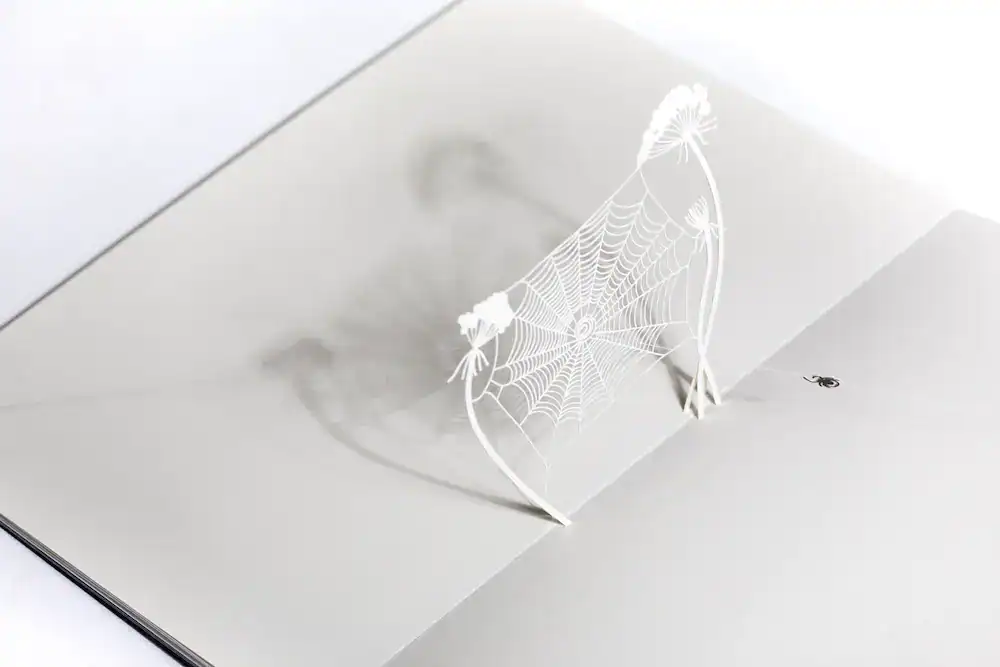
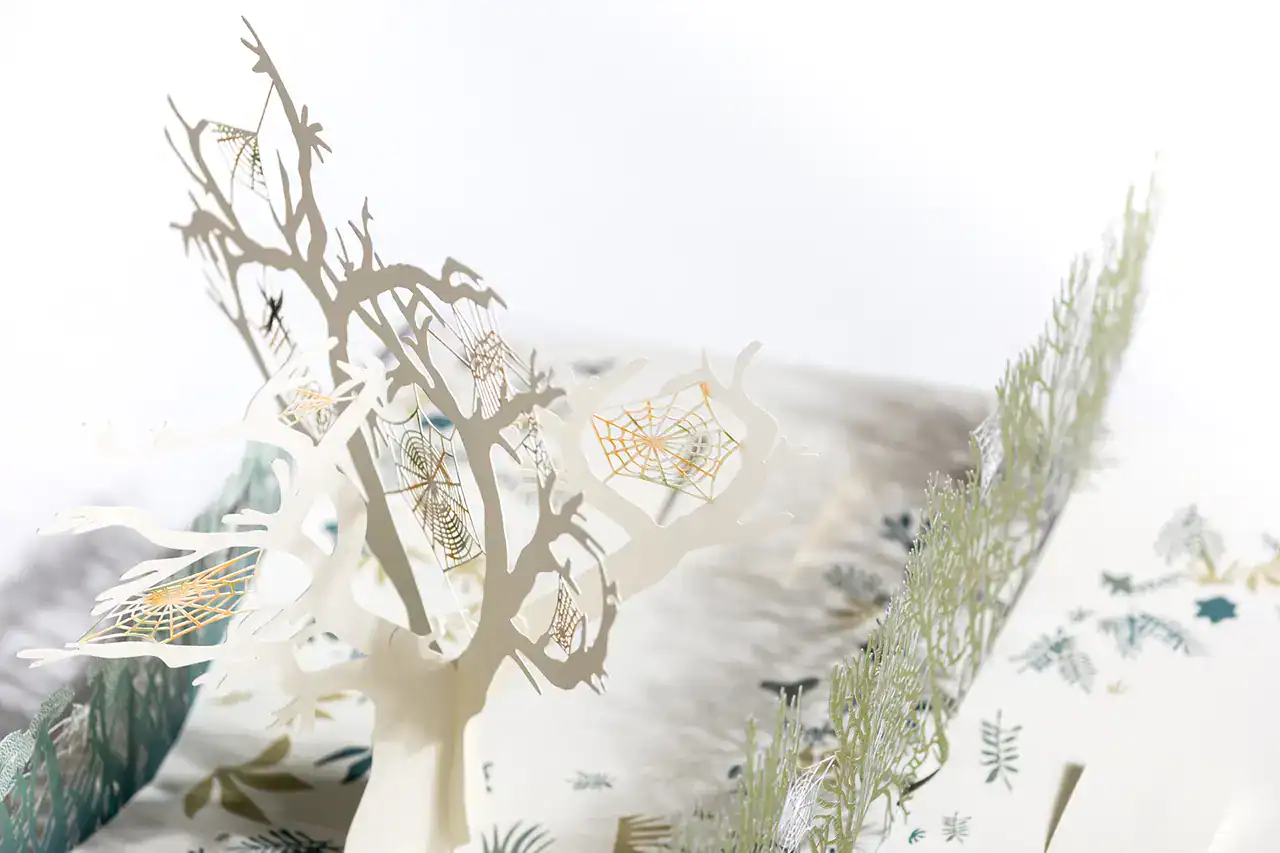
Maybe half of the books I’ve worked on explore environmental themes. For example, during the pandemic, I worked with the artist and architect Tomás Saraceno, who focuses on spiders and their perceptual and environmental world. I also loved working on a 2010-12 collaboration between Oliver Sacks, Abelardo Morell, and Ted Muehling, centered on the geography, geology, and botany of a specific Pacific island.
Amazing, you are seeing history in place, whilst collecting these books for the Whitney. After the Whitney, where did you go?
I moved from the Whitney to MoMA in 2000. I had just had a baby and wanted to work fewer days, and MoMA made that possible. I was over the moon about the possibility of working with international artists and the museum’s emphasis on the book as an artistic medium. At MoMA, as at the Whitney, I worked with incredible colleagues and trustees who supported the publishing program and the museum’s research collections.
What is involved in making an edition?
For MoMA’s Library Council, I usually published a book every 18 months. The handmade process is slow, and even slower for international projects made in places like Brazil and India. It may take an artist six months to develop a plan; six months to engage just the right collaboration of designers, printers, binders and authors; and another half year or more to make collaborative production decisions. These books were usually published in editions of 150 to 200 copies. There’s a natural limit to how many copies a human hand can sew or a delicate printing plate can reproduce. Handbinding takes the longest, but it gives the artist a number of choices that simply don’t exist in standardized, commercial printing.
Is there a project you’re most proud of? And what would your dream collaboration be?
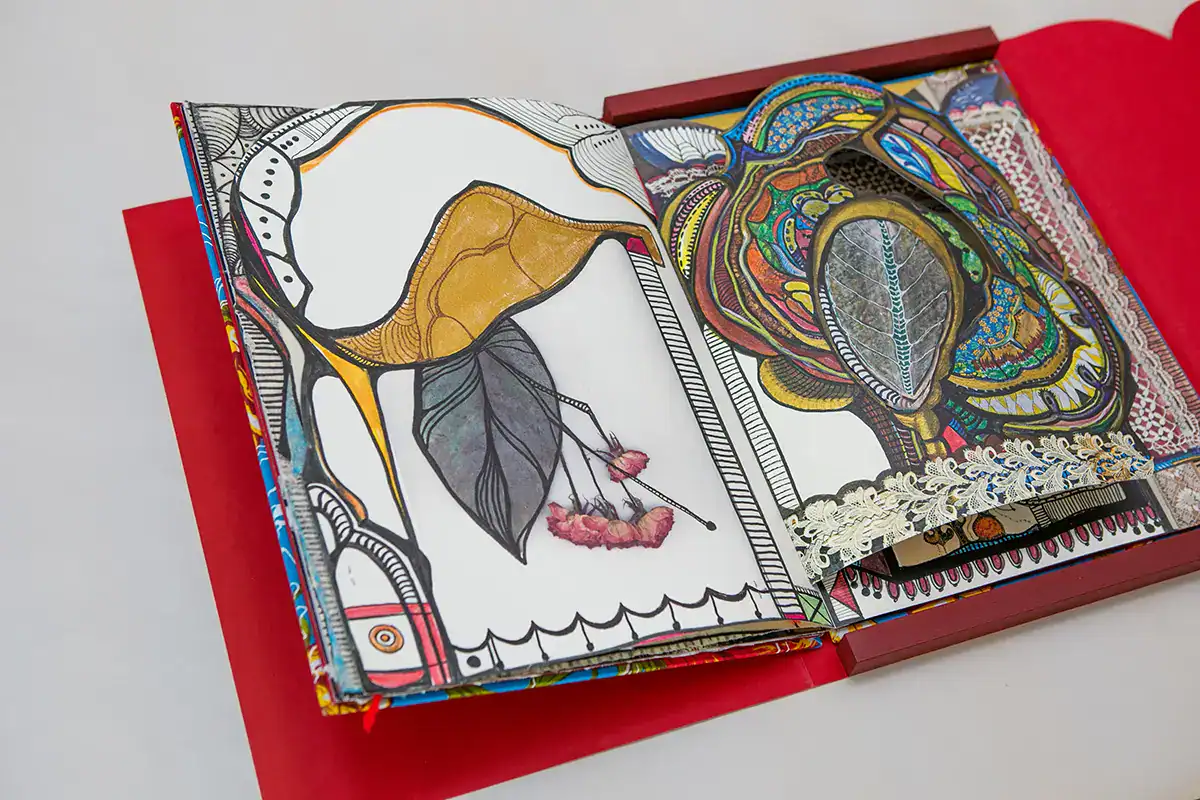
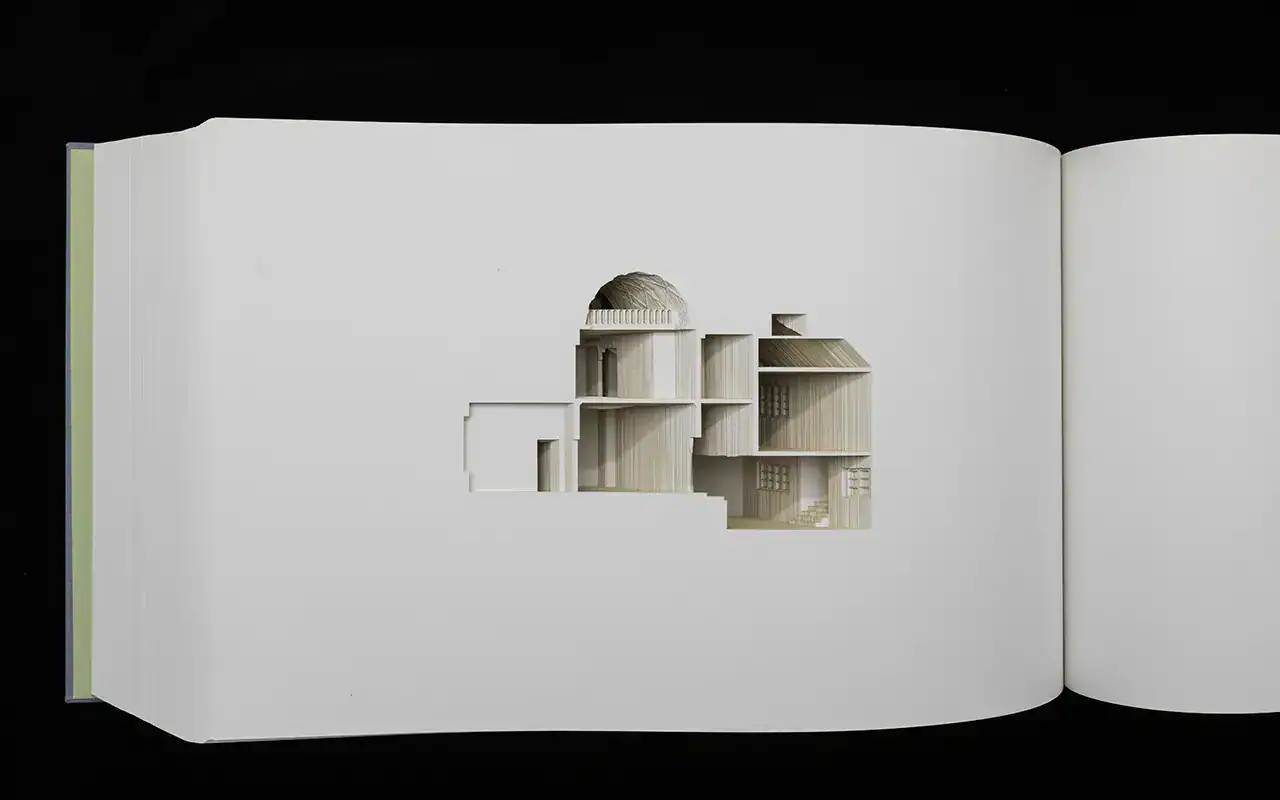
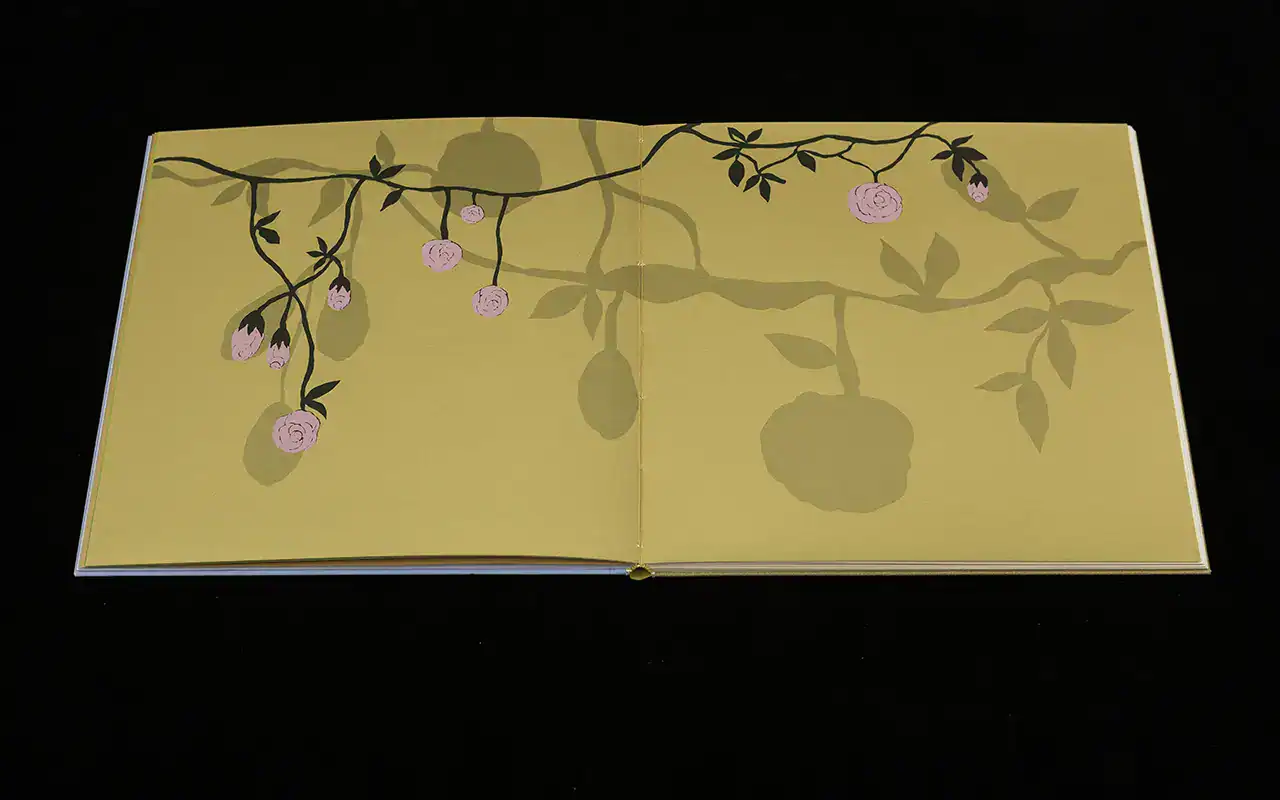
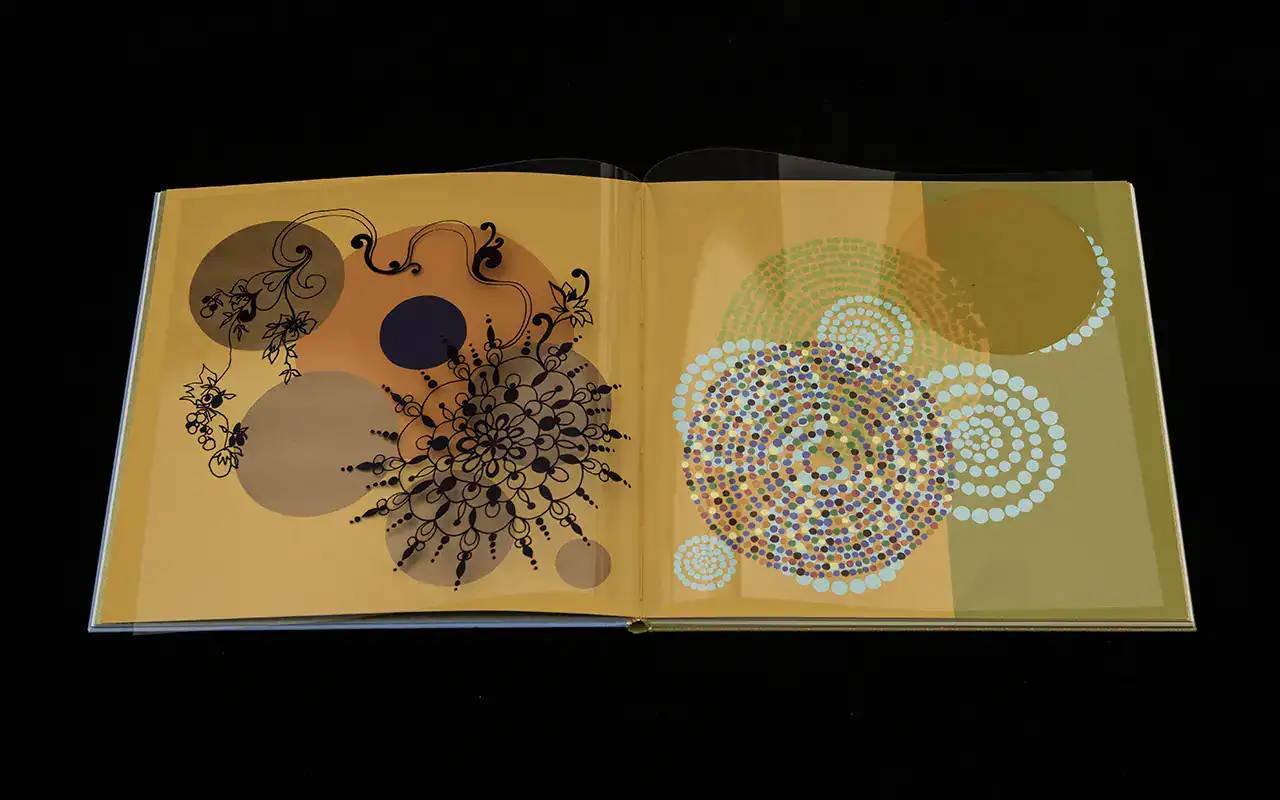
They’re all my babies, but perhaps the projects that left me with close, continuing friendships remain the most rewarding, as was the case with Celmins and the Brazilian artist Beatriz Milhazes. Milhazes’ book, Coisa Linda, focused on the sights and sounds of Rio de Janeiro. One of MoMA’s most successful projects was a sculptural book by Ólafur Elíasson titled Your House. This large, 800-page, laser-cut book presented a Piranesian “walk-through” of a house in Copenhagen.
About a dream collaboration for the future, I would love to work with the artist-designer Ted Muehling, the printer and designer Leslie Miller, and the bookbinder Mark Tomlinson. For now, I am focused on working in a studio and painting again, picking up new ideas as well as old threads.
You’ve also taught. What was your approach, and what advice would you offer a young artist?
I taught a history of photography course at the University of Hartford Art School. This covered the history of the photobook from close to the dawn of photography in the mid-19th century through the present day. I loved teaching how different processes, cultural contexts, and storytelling strategies shaped the history of the photobook, from mid-19th century botanical photographer Anna Atkins who created one of the very first phonebooks, through 20th century photographers (including Richard Avedon whose collaboration with James Baldwin, for example, is a gem), to a wide range of contemporary photographers, like Alec Soth, obsessed with the photobook as an artistic medium.
For advice to offer a young person, I have one thing to say to someone who’d like to work for an arts organization: try to start your career at a relatively open-minded, smaller institution that seems to be growing and open to new ideas. There, you may have an easier time finding your own voice and unexpected opportunities than in more hierarchical institutions, where you might end up in a position close to where you started.
If you could beg, borrow, or steal a work from anywhere in the world, what would it be?
My first choice would be Leonardo’s Lady with an Ermine. But if that were unavailable in this delightful imaginary world, I’d happily take the Augsburg Book of Miracles from around 1550, an extremely rare volume filled with illuminated hand-painted comets and constellations. The contemporary publisher Taschen made a very good reproduction some years ago. But as long as we are stealing, I want the original manuscript.
Leafing through a book is a journey. The tactile touch of the page and the smell of the paper are just the beginning of a walk through which we can truly get lost. The sensorial experience of touch is something no screen can replicate. It brings the image and the word literally into our hands. •
To see more of Castleberry’s projects online, look below to the MoMA Archives and Library link. The Whitney never documented the books it published online, but descriptions appear on dealer and library sites. You may also be able to see them in person, by appointment at MoMA, at the Whitney Museum, or in the collections of the Beinecke Library, Yale, the Spencer Collection, the New York Public Library, and the Clark Institute Library, Williamstown.
Archive of Castleberry’ work: moma.org/research/library/library-council
You can email May Castleberry at maycastleberry@me.com or follow her on Instagram @maycastleberry.