
Main Street News
Viva Las Vagus!
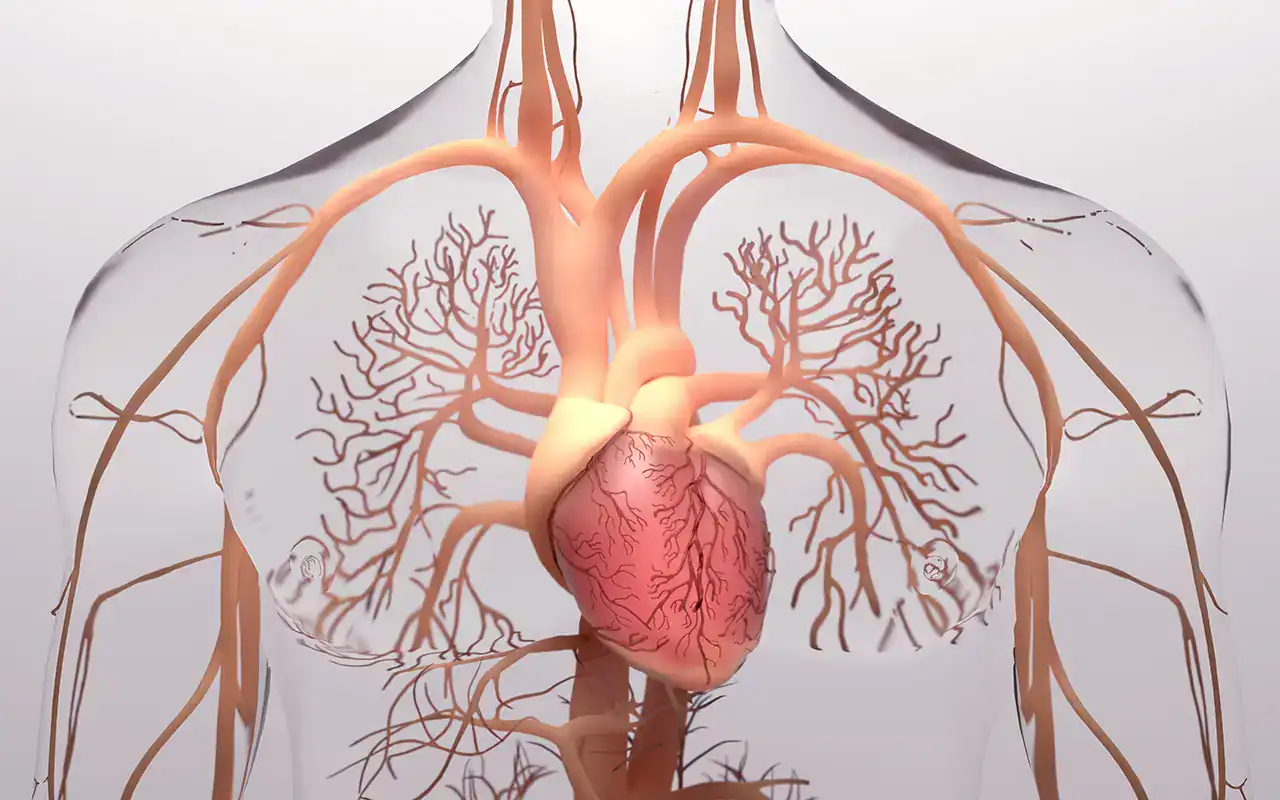
Let’s talk about the Vagus nerve and how it’s health can improve or exacerbate cardiac disease and our overall health. Here, I share what the Vagus nerve is, what it does, why it is so key to health, and how you can holistically (and easily) optimize its function.
What is the Vagus nerve and why is it so important?
The Vagus nerve is the 10th of our 12 cranial nerves. Its name is derived from the Latin word “Vagus” which means “wandering.” It is called “The Wandering Nerve,” because it originates in the brain stem and wanders down the chest and abdomen to many organ systems.
The Vagus nerve has a really important job; it serves as a bidirectional “information superhighway,” with approximately 80% afferent (sensory) fibers carrying information from organs to the brain, giving status updates, and 20% efferent (motor) fibers delivering commands from the brain to the organs, the heart being one of these organs.
What the Vagus nerve is responsible for:
(Note: If you have problems with one or more of these areas mentioned below, perhaps this is indicative of a Vagus nerve with low Vagal tone.)
Parasympathetic Nervous System Control: The Vagus nerve regulates the involuntary physiological processes (processes we do not have to think about like making our heart to beat or taking a breath or digesting lunch!). The Vagus nerve serves as the brake pedal when stressors from the Sympathetic Nervous System serve as the gas pedal. The body cannot create in a state of nervous system dysregulation in the Sympathetic side because it is in “fight or flight” mode, so digestion is impacted, as are heart rate, blood pressure, ability to work, sleep, enjoy life, and this leads to chronic inflammation, stress and illness. Our body is ready to run from a tiger, yet we are sitting at our desk in our office.
Digestion. The Vagus nerve helps us to digest food, assisting in the production of digestive enzymes, gastric acid, bile, and contractions of the stomach and intestines. Good thing we do not have to think about all these things-we have our Vagus nerve to thank! Examples of impaired Vagal function for digestion results in GI issues such as acid reflux, paralyzed stomach and irritable bowel syndrome.
Inflammatory Reflex/Immunity: The Vagus nerve engages the anti-inflammatory pathway to reduce the production of pro-inflammatory cytokines (proteins that regulate inflammation and immunity). It supports the ability to fight infection and heal from injury.
Sensory Feedback: The Vagus nerve constantly monitors the state of internal organs, (“How ya doin’ over there, stomach?” “Got enough acid for this steak dinner?”) gathering feedback to the brain (“BURP!“ “We are good!”) and making any needed adjustments to the “brakes.”
Brain: The Vagus nerve is involved in mood regulation, feedback from organs and cognitive function.
Heart: If the Vagus nerve lacks tonality (think of a pumped up muscle that lost its size) we will see a low heart rate variability (HRV). What this means is that our nervous system is stuck in a sympathetic “fight or flight” nervous system space. Not good-remember we want to lean into rest and digest as much as possible.
High HRV means that our nervous system via the Vagus nerve is primed-it is up scanning and filtering out danger, (“Oh, that is a leaf blowing in the wind-no need to get excited”). It filters out anything non-essential and non-emergent.
If we lose tone in the Vagus nerve, we can have increased heart rate and blood pressure, getting stuck in fight or flight with the gas pedal pressed down, leading to low HRV.
If the HRV is low, you cannot make good decisions, you can’t be in a creative space, you cannot learn, or make proper decisions as your intuition is not working properly.
HRV is a key indicator of Autonomic Nervous System Balance between the Sympathetic and Parasympathetic nervous systems, and thus cardiovascular health.
With low Vagal tone, you may experience:
- Abdominal pain and bloating.
- Acid reflux (gastroesophageal reflux disease, GERD).
- Changes to heart rate, blood pressure or blood sugar
- Vasovagal reflex (fainting)
- Difficulty swallowing or loss of gag reflex.
- Hoarseness, wheezing or loss of voice.
- Loss of appetite, feeling full quickly, unexplained weight loss
- Nausea and vomiting
- Depression, fatigue, sleep disturbances
Imagine how many prescriptions have been written for things like proton pump inhibitors for gastric acid, blood pressure meds, sleep meds, antidepressants, when all we need to do is tone our Vagus nerve!
So how can we increase Vagal tone, other than taking our Vagus Nerve to the gym and getting it a gym membership?
Deep Belly breaths: Inhaling as if you are blowing up a balloon in your belly, in and out through the nose. Inhaling through the belly, stimulates the Vagus nerve via the movement of the diaphragm, while breathing in and out through the nose stimulates molecules of Nitric Oxide, a powerful vasodilator. So this becomes a one-two punch for lowering elevated blood pressure. We are toning the Vagus nerve which will bring blood pressure down, AND we are vasodilating the arteries, creating ease on the heart. (Are you becoming a fan of holistic health approaches now?!)
Pro Tip: Whenever something irritates you-the traffic, the suuuper slow logging truck in front of you, the little old lady in front of you at the supermarket who is taking foreverrrrr to locate her wallet at checkout, let it all go-it is not worth your health-and enjoy some belly breaths knowing you are doing something good for your health by decreasing the stress response!
Humming: Humming stimulates the Vagus nerve. Also good at the checkout line.
Devices: Explore Vagal Nerve Stimulators and Bone Vibration Devices
Brief exposure to cold: I like the idea of splashing your face in cold water rather than a cold shower or cold plunge, which for me, puts me INTO a sympathetic nervous system state.
Try these tips and I would love to hear how it goes for you!
Viva Las Vagus!
 Mary Yuter, RN lives in Amenia, NY. Mary was a cardiac ICU nurse for 13 years at Bellevue Hospital in NYC, where she was honored with the prestigious “Award for Bedside Nursing Excellence” by the Alex and Rita Hillman Foundation. Mary left bedside nursing to found a holistic cardiac wellness program for cardiac patients. Mary has been interviewed in many podcasts, and has given talks locally in Hudson Valley and in NYC, California and Arizona. Mary has also been a featured guest on WKZE radio station. She considers it her life purpose to educate others in how to holistically optimize their health, get off medications and enjoy living the life they were meant to enjoy-with peace of mind, free from fear, worry and anxiety. Connect with Mary directly at www.speakwithmary.com or visit her website www.hearttosoulcw.com for information about her cardiac wellness program and her unique, personally curated concierge cardiac wellness program, perfect for heart attack recovery, high risk heart disease prevention, preparing for or recovering from open heart surgery or other high acuity cardiac procedures. Mary can be found on
Instagram: @hearthealthaccelerator
You Tube: @hearttosoulcardiacwellness
Tik Tok: @hearthealthaccelerator
*Disclaimer: All medical claims made in this article are information provided by the subject. The information is general in nature and not specifically meant for any particular individual. You should always seek out medical assistance from a medical professional based on your individual needs and circumstances.