
Real Estate
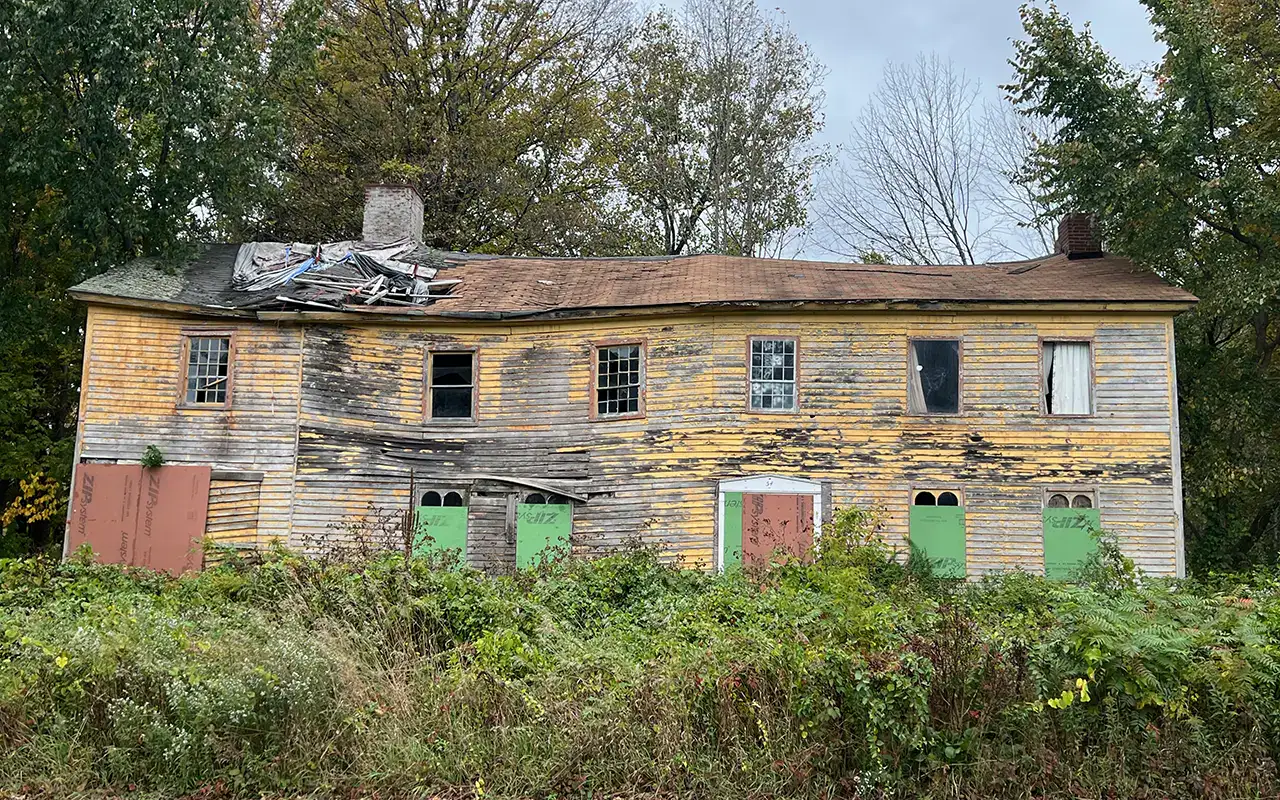
Zombie hunters: Scary real estate
Previously, “Mystery Houses” have been featured in Main Street, each with their own story. Subsequently, many have been torn down to make way for something new. Others have been renovated into million-dollar homes while the rest have fallen into the “zombie” category – no one lives or could live in a zombie house. These properties are completely abandoned, structurally decaying, and entirely vacant, but their property taxes are paid in full every single year. In a low-density, tri-county market where property valuations are influenced by a limited pool of home sales, these “tax-paid zombies” drop into a permanent legal twilight zone, sometimes for decades, and present a frustrating roadblock to real estate professionals, neighbors, and local town governments … as well as a potential opportunity.
The paradox of the tax-paid zombie
Local tax collectors and code enforcement officers in towns like North East, Ancram, Pine Plains, and even towns in Litchfield County have been confronted with the zombie paradox: a home that is physically rotting to the ground, but its municipal property and school taxes are paid by an absentee owner or financial institution. Eventually bank foreclosure can revive a zombie property by finding a new buyer, but the process can take years. The auction of the Drover’s Inn in Dover for $325,000 by TD Bank, which held a $900,000 mortgage on the 10-acre historic property, is a notable example of a property acquired and restored by a local business and the questionable lending practices by banks.
While local officials can make an owner of a derelict building board up the windows or fence off the property there is little else they can do. Very few towns in our region have “blight laws,” which would allow them to take control. It’s an extremely costly legal process for a municipality to condemn a building, and officials are reluctant to interfere with private property. “I don’t believe that the condition of a house is anyone’s business but the property owner’s,” observed Curtis Rand, First Selectman in Salisbury, CT. “I am pretty uncomfortable with the concept of a ‘zombie’ house – it still might be someone’s home.”
How does a home become a zombie?
Unlike in the movies, death is not the only origin of zombies – absentee or multiple inheritors, procrastinating dreamers, unrealistic sellers, overly ambitious real estate investors, hardship, and unpaid mortgages can also be the start of a decline into zombie land. In all cases, taxes continue to be paid in order to avoid a municipal tax foreclosure that would seize the land and then auction it off.
Most often upon an owner’s death, a potential zombie is inherited when it is already in poor condition. A single heir may be unconnected emotionally or physically and simply pays the taxes and puts the property on the list of decisions to make in the future. Overwhelmed by the logistics of managing a property, the new owner ignores the house entirely rather than exploring options to renovate or put the house on the market. They figure that the value of the property can only go up so why do anything.
The owner of the Wakeman House in Millerton, NY inherited a house that was already in poor repair and appears to be waiting for the structure to fall down by itself rather than invest in demolishing it or selling a very distressed property.
When multiple heirs and lengthy probate are involved, the house can become trapped in legal limbo, and weeds grow in the gutters. When a grandfather or matriarch passes away, dozens of descendants may inherit fractional shares of the home. The heirs cannot agree collectively to incur the up-front financial burden of repairing a collapsing roof or installing a new septic system to prepare for sale, but a few family members continue to chip away at the property taxes to prevent the government from seizing their family land.
The overgrown property at 86 Upper Main overlooking the Sharon Green in Sharon, CT is a long-standing example of a tax-paid zombie inherited by multiple heirs surrounded by historic, million-dollar homes. Over time Brendan and Roxanne Lee, the new owners, purchased five shares from a deceased uncle who had lived there, one share from an uncle in England, and another share from an aunt. They expect to renovate the Victorian house to its former, almost forgotten, glory.
“Project interruptus” can also create zombies. A new owner with ambitious plans purchases a dream house, begins work, and then stops – for years. The sheathing is left exposed to the elements, the pipes freeze, and the porch sags, while the owner considers the next step and pays taxes. Typically, they are reluctant to let go of their dream.
Unrealistic sellers also contribute to zombie inventory. Often, they have acquired a distressed property at a low price with a low tax assessment and list the property for sale for years with one real estate broker after another at steadily declining prices in the hopes of eventually making a profit or at least getting rid of the property.
There are even giant zombies that are particularly difficult to get rid of because of their size and environmental hazards. Empire State Development has been attempting to sell the 330 acre Wassaic Development Center since March of 2017 without luck.
The speculator or real estate developer is distinctively different. Investors buy rural acreage or distressed older homes in increasingly valuable locations in Dutchess or Columbia County solely for long-term appreciation. They have little interest in renting or making structural improvements to the property. To them, paying a few hundred to thousands of dollars a year in property taxes preserves their speculative asset, while the actual structure is left to rot.
Bennett College in Millbrook, NY which was condemned for years before being purchased and converted into a community park is a grand example, while the holdings of Phillip Gellert in Boston Corners in the Town of North East, NY represent a more modest, rural scale.
Hunting for zombies
How do you find zombies? In order of difficulty the easiest way is to search Zillow or Realtor.com by county, sorting for lowest price. Zombies will often be listed by brokers like River Realty, who are known for working with foreclosures. Next easiest is checking with your county’s auction sites for properties with unpaid taxes. In New York visit nysauctions.com to determine when properties in various counties are being auctioned off. One bidder secured a home on 0.44 acres on Rudd Pond Road in the Town of North East for only $11,000 at auction. Also check with USDA for auctions on delinquent mortgage payments. Contact local lenders and ask them about any REO (Real Estate Other in bank lingo) or properties heading to foreclosure. Paid subscription sites like foreclosure.com and RealtyTrac.com offer more complete and accurate information on distressed real estate including zombies.
Identifying properties that aren’t on the market requires more work and imagination. Do you have what it takes to find a zombie and give it a new life? Perseverance, curiosity, patience, and vision are necessary skills. Check town assessor records to determine the history, assessment, and legal owner. Speak with building and zoning officials to determine limitations on building, open permits, or citations. The tax collector will have information on any unpaid taxes. Explore the county clerk’s database to spot existing lis pendens, notice of pending lawsuits. Title should be screened for old, forgotten second mortgages, possibly from predatory collector groups.
Check Google Earth for a satellite view of the property and surrounding area. Scan local publications to gather any information on the specific property – drug deals, sex offenders, fires, or issues in the surrounding area. Explore the vicinity of the house and ask the neighbors what they know or how to reach the owner. Try to gain interior access and take a trusted contractor with you to determine the soundness of the structure and foundation.
As you would with any real estate transaction determine what investment is required and what your return would be. 145 Farnum Road was recently purchased for $227,000 and after receiving permission to rebuild from the Town of Salisbury is in the process of demolishing the structure.
Zombies will always be with us
Since Main Street’s “Mystery House” articles were published, many zombies have had happy endings. The Thorne Building in Millbrook is no longer in legal limbo and will house a community center, and the old Sear’s Gas Station in Millerton has become a perfect 1950s Mobil Station and an iconic entrance to the Village. Wanda Landowski’s house in Lakeville, CT dazzles and the property extended with the demolition of a zombie next door, and the long-vacant, dilapidated Chinese restaurant in Lakeville has become Grasslands Café with the best soft serve ice cream around. Only a few “mystery” buildings remain as zombies, including the Wakeman House in Millerton; others have simply vanished.
Zombie houses are dying, disappearing, reappearing, and reviving. Their continued presence is a reminder that property ownership means responsibility and stewardship, not just asset holding. Paying property taxes satisfies a basic legal obligation to the local government but does nothing to protect the physical fabric of a rural neighborhood. Zombie hunters who have a vision, experience, and capital protect the equity of neighboring property owners, restore housing inventory, provide jobs, and preserve the rural beauty of our shared landscape. •
Christine Bates, real estate advisor with William Pitt Sotheby’s International Realty, Licensed in CT and NY. Opinions expressed are those of the author alone.