Our Environment, Animal Tips & the Great Outdoors
Homegrown National Park: Cooperative Conservation
It’s spring, and it’s finally warming up. Many of us are eager to get outside in the dirt and plant the flowers, trees, and shrubs that we will be enjoying for seasons to come. When it comes to selecting varieties, we should choose wisely.
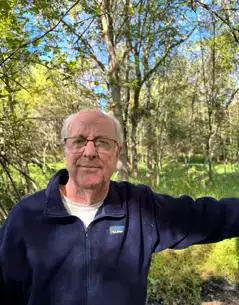 According to Doug Tallamy (pictured ), co-founder of Homegrown National Park, “Native plants are the foundation of all terrestrial food webs. From the tiniest insect to the largest mammal, energy from native plants sustains their populations and nature itself. Plants are more than decorations; they can be the lifeblood of our ecosystems if their ancient relationships with local animals are respected. This is essential to safeguarding the natural systems we all depend on, such as clean air and water, food production, and climate stability.” Homegrown National Park teamed up with a trio of local garden centers to promote native plantings and highlight Tallamy’s Keystone Native Plants, which are the most productive ecologically of all the native plants.
Regenerating biodiversity
The non-profit organization, founded in 2020 by Tallamy and Michelle Alfandari, is a science-based grassroots movement to regenerate biodiversity by planting native plants. The total measure of private property including yards, woodland plots, and community land in America, is collectively much larger than all the land that spans America’s National Parks. Via this garden center initiative, HPN aims to empower individuals and communities to take small or large tangible actions that add up to transformative change.
In early June, the garden centers, including Ward’s Garden Center and Nursery in Great Barrington, MA; Paley’s Farm Market in Sharon, CT; and Salisbury Garden Center in Salisbury, CT, will dedicate space in their shops to host a Homegrown National Park Native Plant Center. These sections offer pussy willows, black-eyed Susans, and other native species.
Keystone Plants
“Keystone plants are the most productive of the native plants that provide essential ecosystem services to the environment, without which the area’s inhabitants would struggle for survival. Planting these species in your yards benefits the butterflies, birds, and native animals that support all life, including ours,” said Tallamy. He is an entomologist who studies insects and their interaction with humans, the environment, and other organisms. He is also a conservationist, New York Times best-selling author, professor, and public speaker.
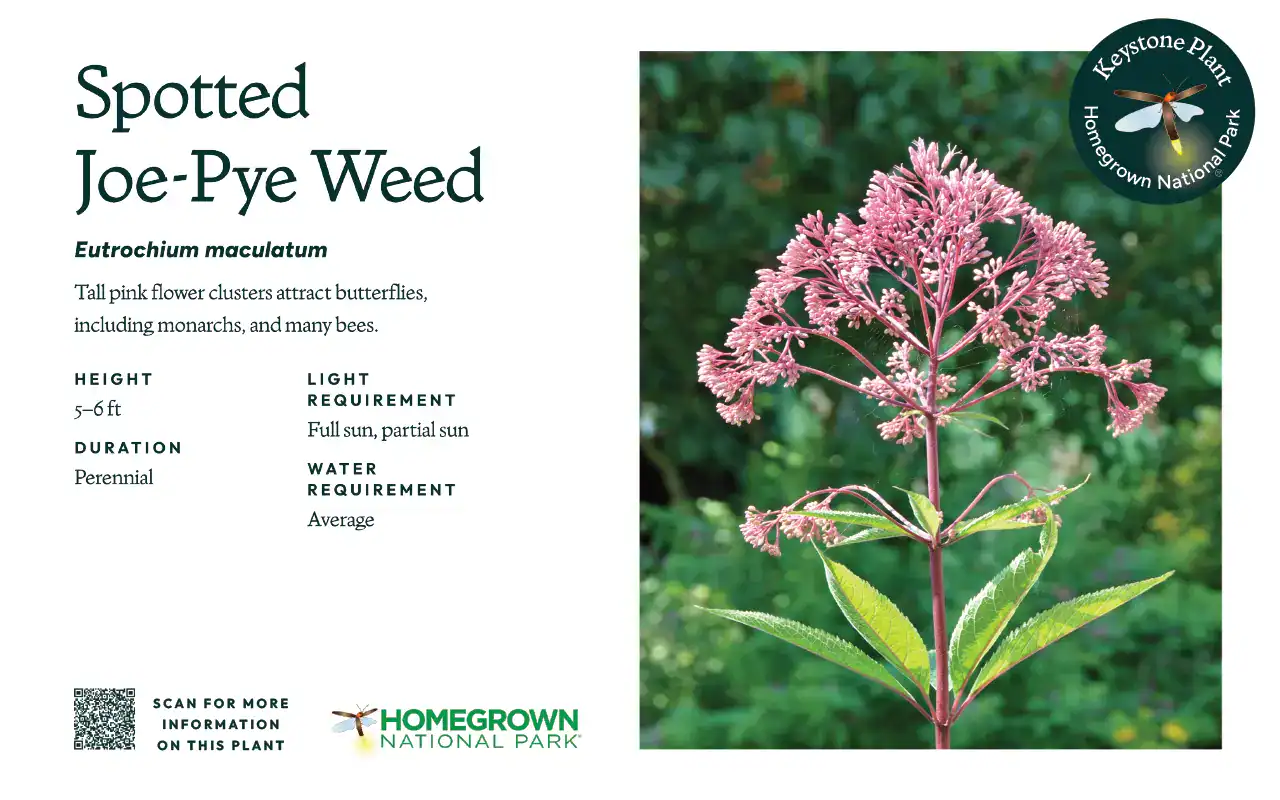
The retail spaces at these garden centers are marked with a Homegrown National Park Native Plant Center banner, and the keystone plant signs include a QR code that educates customers on the different plant species. Beyond illustrating what the plant will look like when in bloom, the signage teaches shoppers about the wildlife that relies on these very plants for survival.
“Planting natives not only adds to the life support nature provides us all, but it also enables you to share your little piece of the earth with myriad fellow earthlings. Perhaps the best feel-good action of all,” said Tallamy.
Restore the environment while beautifying your surroundings
“HNP aims to make it easier for people to get started with native plants, and to shop for productive native trees, shrubs, and perennials. The leaders of these garden centers are all catalysts for positive change. They are passionate about making a difference and are spreading the facts about native plants to their customers. By using innovative cues that allow customers to see what the plant will look like in bloom and understand the wildlife that relies on the plant for survival, they are encouraging consumers to purchase plants that restore the environment while beautifying their surroundings,” added Michelle Alfandari, co-founder of HNP.
When a person plants native plants, they’re also simultaneously helping to remove the invasive plants that are taking over much of our native habitat. “This will restore habitat lost to development faster than any other means. What is most rewarding is experiencing the results of our plantings with new wildlife appearing almost immediately. Individually and together, we are creating a Homegrown National Park that will build back the biodiversity that all animals – humans included – rely on for food and for health.”
Within each garden center’s native plant area, customers will also be prompted to add their property to a HNP Biodiversity Map, which documents the number of people and acreage being transformed. To date, the map has almost 50,000 people committed to 170,000+ acres of native planting. HNP and these garden centers are certainly doing their fair share to make native habitat restoration mainstream. Let’s all think about the ways that we can help make a difference, too. •
For more information about Homegrown National Park, to join the Biodiversity Map, and to contribute to its important work, visit homegrownnationalpark.org.
In March of 2024, Mary O’Neill interviewed Doug and Michelle about HNP, you can read that full interview on our website, just search “Homegrown National Park” on mainstreetmag.com.